
You Added Fuel, but the Gauge Ignored It. The Car May Be Doing That Deliberately
by AutoExpert | 4 August, 2026
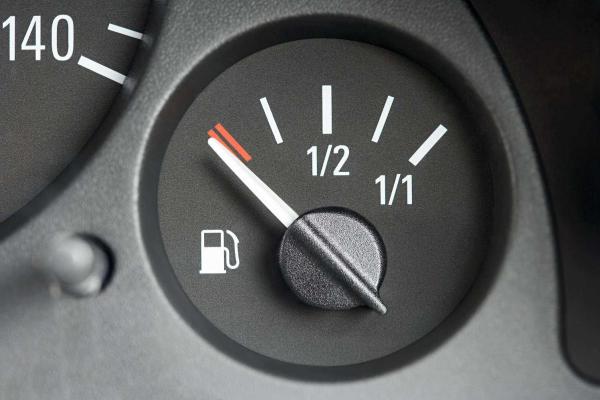
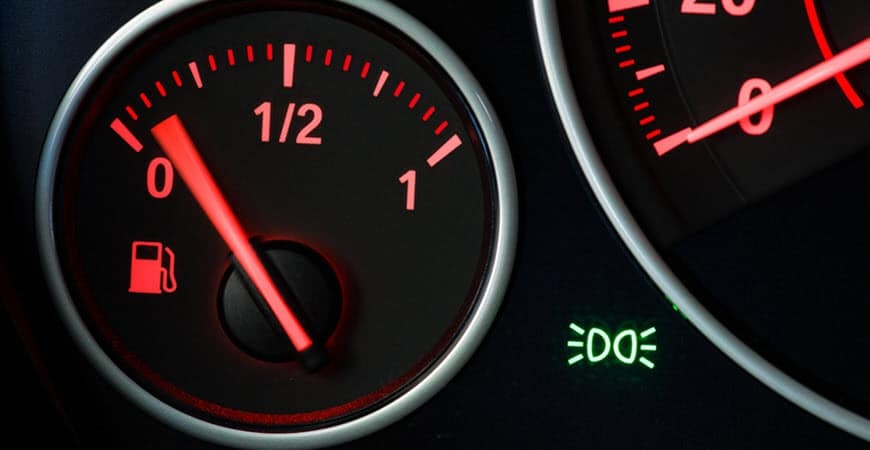
The low-fuel light is on, so a few gallons go into the tank. The engine starts, the receipt confirms that actual gasoline was purchased, and the gauge responds by remaining exactly where it was.
Not even a polite twitch.
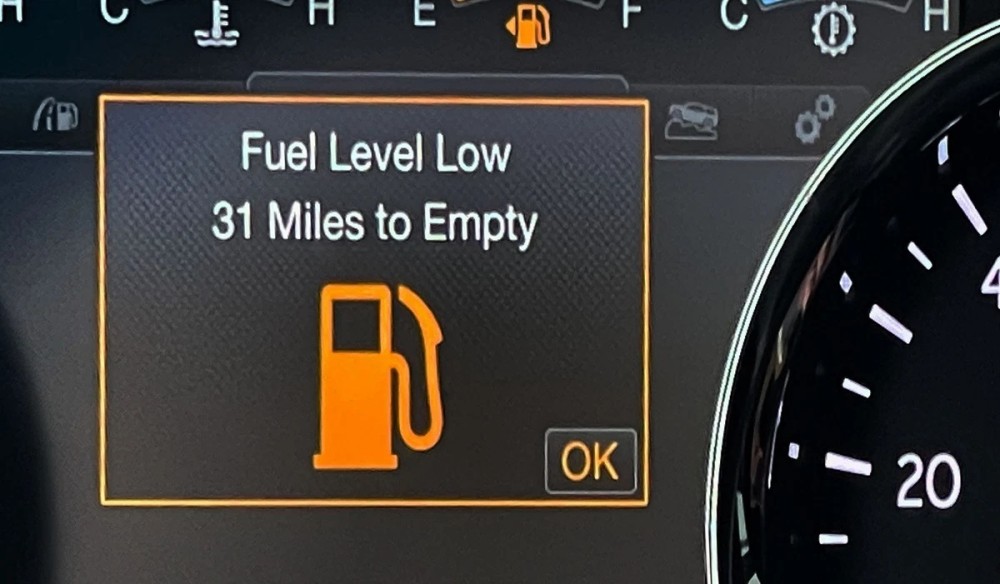
At that point, several possibilities enter the mind. The pump charged for fuel it never delivered. The tank has developed an immediate and spectacular leak. Or the gauge has finally decided that accuracy is beneath it.
Often, the explanation is less dramatic. Fuel gauges are designed to ignore some of what happens inside the tank, because gasoline rarely sits still long enough to make measurement easy.
A fuel tank is a surprisingly busy place
Fuel moves whenever the car accelerates, brakes, turns or climbs a hill. Without some form of damping, the gauge would rise on one corner, fall on the next and spend every highway ramp performing its own little dance.
Older cars often slowed the needle mechanically or electrically. Newer vehicles may use software to smooth the reading. The computer looks at the fuel-level sensor but filters out sudden changes that resemble sloshing rather than actual consumption or refueling.
This is usually helpful. Nobody wants the estimated range collapsing every time the car leans through a bend.
The complication arrives after a small refill. If the change in level is modest, the system may initially treat it as movement inside the tank rather than newly added fuel. Some manufacturer service information specifically notes that small top-ups may not register immediately under certain conditions.
Leaving the ignition on while refueling can make matters more confusing on some vehicles because the system is already monitoring the sender while the level changes.
Tank shape makes the reading less obvious
Fuel tanks are not simple rectangular containers. They are shaped around exhaust systems, suspension components, driveshafts, rear seats and whatever else engineers needed to fit beneath the car.
That irregular shape means a small amount of fuel does not always create an equally obvious movement at the sender. Several gallons added near the bottom of the tank might move the float noticeably, while the same quantity added near the top may produce a smaller change on the display.
Some tanks also have internal baffles to control fuel movement. Others use more than one level sensor because the tank is divided around part of the drivetrain.
The dashboard takes all of this awkward information and turns it into a tidy row of bars or a confident-looking needle. The simplicity of the display hides how much interpretation is happening underneath.

Give the car a chance to reconsider
If the fuel gauge is not moving after adding gas, park on level ground, switch the vehicle off completely and restart it. In some cars, the reading may update after the next key cycle or after a short period of driving.
Do not perform an elaborate drive based on guesswork, particularly if the tank may still be close to empty. Keep the fuel receipt and note how much was added. Use mileage conservatively until the reading makes sense again.
A one-time delay following a small refill is less worrying than a gauge that repeatedly refuses to recognize substantial amounts of fuel.
Likewise, a reading that changes after leaving a steep driveway may simply be responding to the car’s angle. A gauge that sticks at half full for hundreds of miles, suddenly falls to empty or never reaches full after a proper fill needs investigation.
When the sender becomes the likely suspect
Inside the tank, a float typically moves with the fuel level and operates a sending unit. As the float rises and falls, the sender changes an electrical signal that the car converts into a dashboard reading.
Floats can stick. Electrical contacts can wear. Wiring and connectors can corrode or loosen. Internal tank components may interfere with the sender’s movement, and faults elsewhere in the instrument system can produce misleading readings.
A scan tool may reveal fuel-level data or related fault codes, but diagnosis sometimes requires comparing the computer’s reported level with the actual sender signal. Accessing the unit can involve removing part of the interior or lowering the fuel tank, so replacing it on suspicion alone is not a particularly attractive experiment.
The pattern of the fault helps. A delayed update after one small refill points toward normal gauge logic. Erratic jumps, repeated false readings or a needle permanently stuck in one position suggest something more physical.
Do not let a faulty gauge choose the next fuel stop
The odometer can provide a temporary reference if the car’s usual fuel consumption is known, but it is not a safe substitute for a functioning gauge. Traffic, weather, towing and driving style can change consumption dramatically.
The distance-to-empty display is not independent proof either. It generally relies on the same fuel-level information, combined with recent fuel economy. If the sender is confused, the range estimate may be confused right along with it.
Until the fault is repaired, refuel earlier than usual and reset the trip meter at every fill. Running a tank dry is inconvenient in a conventional gasoline car and potentially harder on components that depend on fuel for cooling and lubrication.
A motionless gauge after a small top-up does not automatically mean anything has failed. The car may simply be waiting for enough evidence before changing the display.
If it continues denying the existence of fuel that is definitely in the tank, however, the argument has gone on long enough.