

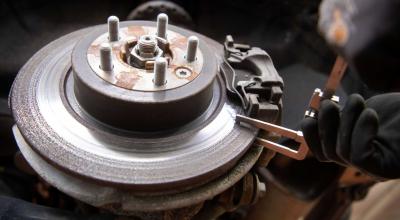
The usual explanation sounds perfectly logical. When a car slows down, its weight moves toward the front. The front tires carry more load, so the front brakes provide more of the stopping force. That
Every passenger knows the type of driver. Conversation begins, the accelerator relaxes and the car gradually slows. The driver starts speaking, enthusiasm builds and the speed rises again. Nothing dan
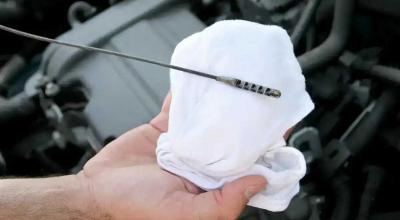
An engine can be low on oil and sound perfectly content. It may start normally, idle without complaint and carry the car through the morning commute. The driver sees no smoke, hears no knocking and re
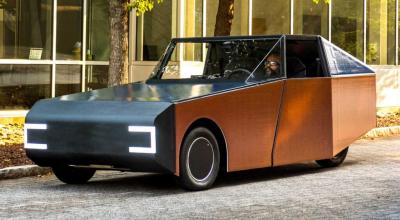
Solar panels on cars have always sounded like a great idea, although the reality has usually been less impressive. A few extra miles from sitting in the sun is nice, but hardly enough to change how yo
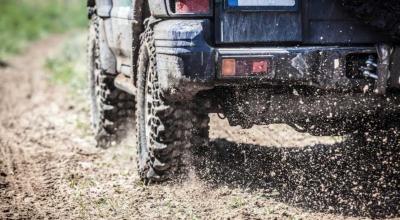
Cruise control feels wonderfully precise on a flat highway. Set it to 65 mph and the speedometer settles into place, leaving the car to handle the small adjustments that a human ankle normally makes.
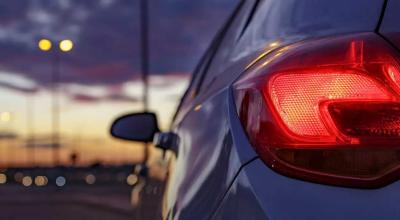
A car sits empty in the driveway, engine off and doors locked, yet all three brake lights are glowing as though an invisible driver has a foot planted on the pedal. It looks like a wiring problem. Pos
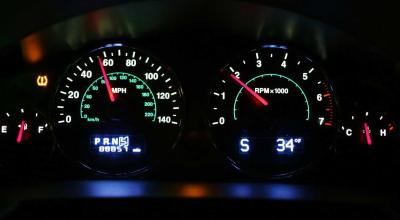
The tire-pressure warning light is not one of the dashboard’s more mysterious creations. It looks like a sagging tire with an exclamation mark inside, which is a fairly direct way of saying, &ld
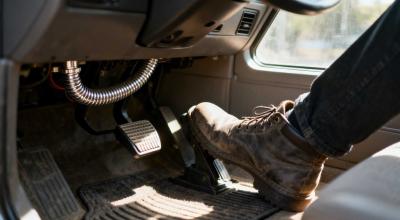
The engine is off. You push the brake pedal once, then again. Each push feels a little firmer than the last. After several presses, the pedal barely wants to move. That sensation can make it s
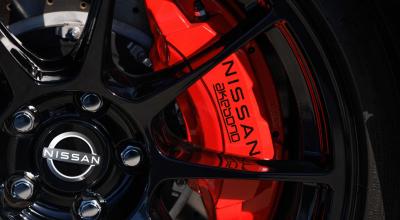
Think brake caliper colors are just there to look good? Nissan says they actually serve a purpose. According to the automaker, the color behind the wheels acts as a quick visual guide, revealing the t
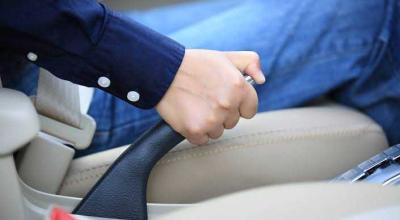
Park on a slope, move the shifter to P, take a foot off the brake, and most automatic cars will perform a small, familiar shuffle. The body rolls a fraction of an inch, stops with a muted clunk, then