Your Brake Pedal Turned Rock Hard With the Engine Off. Here Is What Happened
by AutoExpert | 28 July, 2026
The engine is off. You push the brake pedal once, then again. Each push feels a little firmer than the last. After several presses, the pedal barely wants to move.
That sensation can make it seem as though something inside the braking system has suddenly jammed. In many conventional cars, however, it is exactly what should happen.
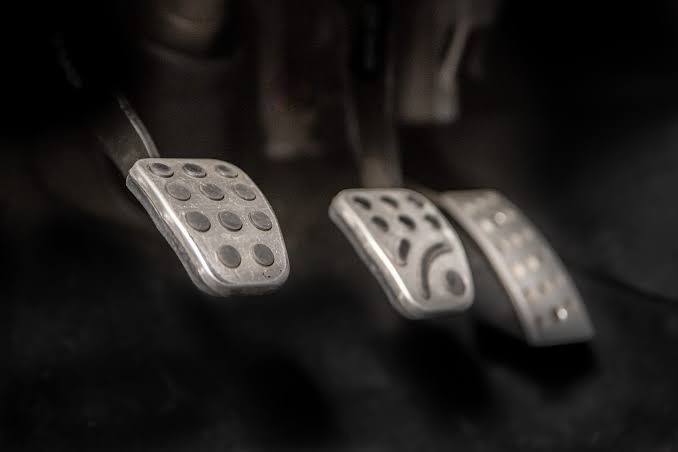
The brakes have not disappeared. The assistance that normally makes them easy to operate has.
The hidden force behind an ordinary brake pedal
Bringing a moving car to a stop requires considerable hydraulic pressure. Without assistance, the driver would need to press the pedal much harder than most people expect.
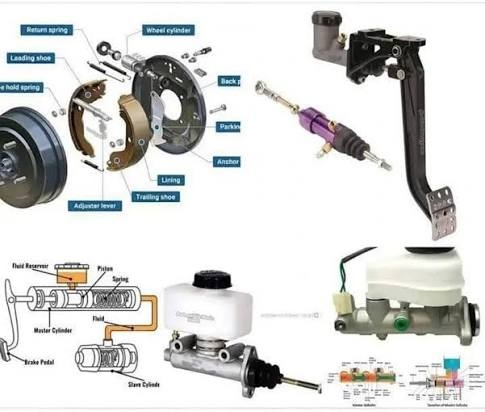
A conventional vacuum brake booster reduces that effort. While the engine is running, vacuum is supplied to the booster, which multiplies the force applied through the pedal to the master cylinder.
The system usually stores enough vacuum to provide limited assistance after the engine has been switched off. That reserve is useful if the engine stalls while the vehicle is moving.
Every press of the pedal uses some of it.
Press the brake repeatedly with the engine off and the assistance gradually disappears. The pedal becomes firmer, sits higher and requires more effort. Once the stored vacuum has been exhausted, there is nothing left to provide the familiar light pedal feel.
The hydraulic braking system can still operate, but the driver must supply far more of the force.
When the engine starts again, vacuum assistance normally returns and the pedal becomes easier to press. On many conventional systems, holding steady pressure on the hard pedal while starting the engine will cause it to move slightly downward as the booster begins helping again.
That small movement is often reassuring, although it is not a complete professional test of booster condition.
Normal in the driveway is not normal on the road
Context changes everything.
A pedal that becomes hard after being pumped several times with the engine switched off is generally expected on a vacuum-assisted system. A pedal that suddenly becomes hard while driving is a different matter.
Loss of brake assistance can dramatically increase the effort and distance needed to stop. The brakes may still respond, but the usual gentle push may accomplish very little. Firm, sustained pressure may be necessary.
If this happens while moving, the priority is getting the vehicle stopped safely. Reduce speed, maintain controlled pressure on the brake pedal, switch on the hazard lights and move away from traffic when possible. The car should then be inspected rather than driven normally.
Possible causes include a damaged vacuum hose, failed check valve, leaking booster or insufficient vacuum from the engine. Some vehicles use hydraulic or electric brake assistance instead, bringing their own pumps, sensors and control systems into the picture.
A hard pedal accompanied by hissing deserves particular attention. A torn booster diaphragm or leaking vacuum connection can allow air into the system. Changes in engine idle when the pedal is pressed may provide another clue.
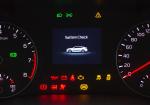
Warning lights, unusually long stopping distances or stiffness that remains after the engine starts are also reasons to stop treating the symptom as normal.
Hard, soft and sinking pedals tell different stories
Brake-pedal complaints are often grouped together, but the feel of the pedal matters.
A hard pedal usually points toward missing assistance or a mechanical restriction. A soft or spongy pedal may suggest air in the hydraulic system, old fluid or another problem affecting pressure. A pedal that slowly sinks while being held can indicate a hydraulic leak or failing master cylinder.
None of these symptoms should be diagnosed solely from an online description, especially when the car’s ability to stop is involved.
Modern hybrids and electric vehicles complicate the picture further. Many use electronically controlled brake boosters and blend regenerative braking with friction braking. Their pedals may make noises, move slightly or change feel as systems wake up. What is normal for one model may be completely wrong for another.
The owner’s manual can explain ordinary operating behavior, but persistent or unexpected changes still need professional attention.
A rock-hard pedal after someone has been sitting in a parked car absent-mindedly pressing the brake is usually the booster saying its reserve has been used. Start the engine and the familiar feel should return.
If it does not, the car is no longer offering a harmless mechanical lesson. It is asking for an inspection.