

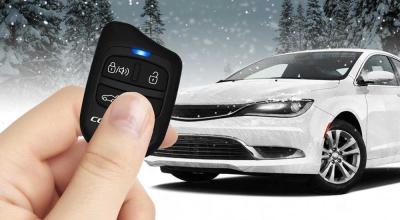
Starting a modern car requires so little effort that the action barely registers. Turn a key, press a button or let the vehicle recognize that its driver has climbed aboard. A second later, the engine
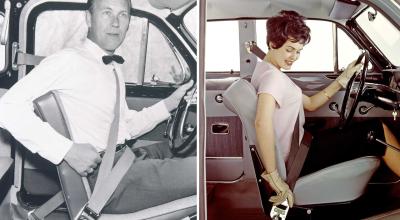
Open the door of certain 1980s or early 1990s cars and a small buckle begins travelling along the roofline. Sit down, close the door and the shoulder belt glides toward the B-pillar, hopefully passi
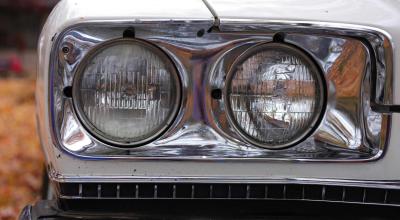
Park a 1940s Jeep beside a Chevrolet sedan, an early Volkswagen Beetle and a British roadster, then look closely at their headlights. The surrounding bodies could hardly be more different. The glass c
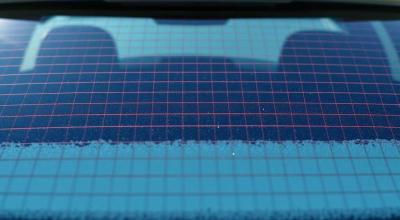
The rear defroster has been running for several minutes. Most of the glass is clear, traffic behind the car has returned to recognizable shapes, yet one narrow stripe of fog remains stretched across t
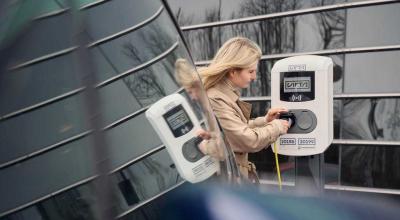
The charging session is complete. The battery has enough range, the dashboard looks satisfied and everyone is ready to leave. The plug, unfortunately, has made other plans. Pressing its rele

The brake pedal is down. The engine may even be running. Yet the gear lever remains planted in Park with the determination of a fence post. Pulling harder rarely improves the situation. It can, how
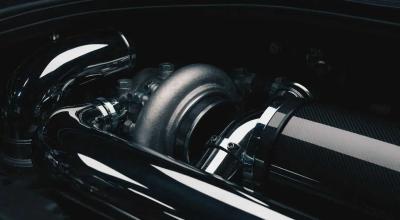
The key has left the ignition. The doors are locked. From beneath the hood comes the unmistakable roar of a large electric fan apparently unaware that the journey ended. Waiting beside the car for
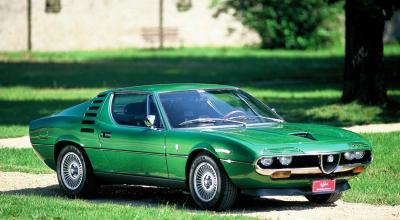
Speed has become ridiculously easy to buy. A modern electric crossover can pin its passengers to the seats while carrying three children, a week’s shopping and a suspicious amount of sports equi
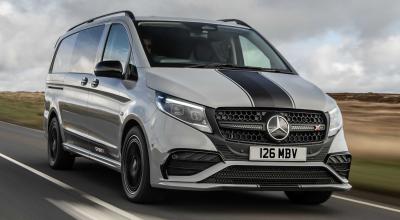
Why do British buyers love sporty vans so much? Mercedes has another answer. Meet the Vito Sport-X, a UK-only version that gives a practical diesel van the visual treatment of a performance car while
The AI boom is creating an unlikely winner, and an unexpected loser. Memory chip makers are struggling to keep up with soaring demand from AI companies, while automakers are finding it harder and mo