
One Stripe of Fog Refuses to Leave Your Rear Window. The Fix May Be Almost Invisible
by AutoExpert | 3 September, 2026
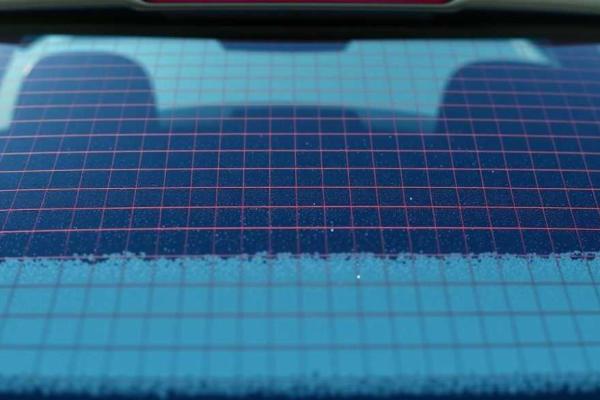
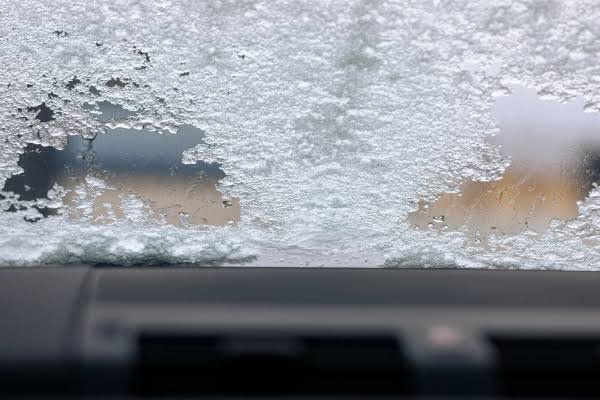
The rear defroster has been running for several minutes. Most of the glass is clear, traffic behind the car has returned to recognizable shapes, yet one narrow stripe of fog remains stretched across the window.
Its edges are suspiciously straight. It sits between two clean bands as though somebody applied masking tape before the mist arrived.
That orderly patch is a useful clue. When one section of a rear window refuses to clear while the rest works normally, the heating system probably has not failed completely. One of its delicate conductive lines may have been scratched or broken.
The damage can be smaller than a grain of rice.
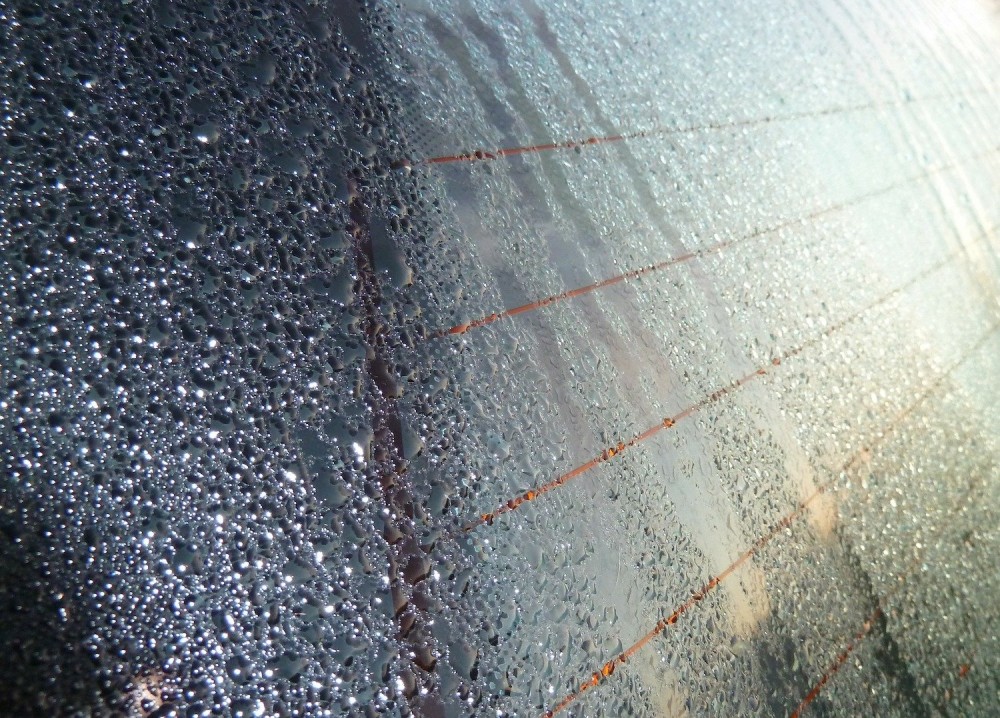
Those brown lines are tiny electric heaters
The lines running across the inside of the rear glass are often mistaken for wires embedded deep within the window. On many vehicles, they are conductive material bonded or printed directly onto the surface.
Vertical conductors at the sides supply electricity to the horizontal grid. Current flowing through the lines creates resistance, which generates enough heat to clear condensation, frost and a thin layer of ice.
Each line usually forms its own electrical path across the glass. If one path is interrupted, current stops flowing through part or all of that line while its neighbors continue working. The result appears on the window as a long, narrow band that stays cold and foggy.
A completely dead rear defroster points toward a different collection of suspects. A blown fuse, faulty relay, failed switch, loose connector or detached terminal tab can prevent the entire grid from receiving power.
One surviving stripe of fog is more personal. A single line has probably been wounded.
Ordinary cleaning can cause the damage
Rear defroster lines are tougher than they look, but they still live in a vulnerable place.
A box pushed against the glass can scrape one. So can luggage sliding around in the cargo area of a hatchback. Removing an old sticker with a razor blade may take part of the grid with it, especially when the blade is dragged across the lines instead of along them.
Even determined cleaning can cause trouble. Abrasive pads, harsh chemicals and repeated scrubbing gradually wear away conductive material. Ford specifically warns against using razor blades, sharp objects or harsh chemicals on the inside of heated rear glass.
The safest cleaning motion follows the grid lines horizontally. A soft microfiber cloth and a suitable automotive glass cleaner are considerably kinder than attacking the window vertically with whatever happens to be under the kitchen sink.
Window tinting and sticker removal deserve equal care. Pulling adhesive film away too quickly can lift or damage the grid, particularly on older glass.
Finding the break requires patience
Sometimes the damaged spot is visible. A thin brown line suddenly becomes lighter, develops a small gap or disappears beneath a scratch.
More often, the break hides well enough to turn the search into an eye test.
A bright flashlight held at an angle can help reveal changes in the line. Technicians may use a voltmeter or test light to follow voltage across the grid and identify where electrical continuity disappears. Manufacturer repair procedures can be very specific because careless probing may cause another break.
Avoid dragging metal test probes across the glass or puncturing the conductive surface. The owner’s manual and repair information for the vehicle should guide the process.
A detached terminal tab is easier to recognize. It usually appears at one side of the window, where the vehicle’s wiring connects to the grid. If a tab separates from the glass, the entire defroster may stop operating. Repairing it requires the correct electrically conductive adhesive and careful surface preparation. Ordinary glue may hold the tab in place while preventing electricity from reaching the grid.
A tiny repair may save the whole window
Small grid breaks can often be repaired with conductive paint made specifically for rear defrosters.
The surrounding glass is cleaned, the damaged line is masked carefully and a narrow bridge of conductive material is applied across the gap. Once cured, it restores the electrical path.
Accuracy counts. A repair that is too thin may not conduct reliably. A thick, untidy patch can look obvious from outside and may heat differently from the original grid. GM’s technical guidance also shows how carefully the surface must be prepared when repairing defroster terminals and grids.
Several damaged lines, extensive peeling or problems within laminated glass can make replacement more sensible. Some modern rear windows also carry antennas, privacy coatings, cameras or other electronics, raising the stakes considerably.
Before replacing the glass, confirm where the failure lives. A perfectly good window cannot overcome a bad fuse, damaged wiring or a failed control module.
Do not ignore the stripe forever
One foggy band may seem harmless when the rest of the window clears. Unfortunately, it tends to sit at exactly the wrong height eventually.
Rear visibility is already compromised during rain, frost and darkness. Headlights behind the car scatter across condensation, while a narrow clear area can distort distance and movement. The problem becomes more than cosmetic when the uncleared section crosses the driver’s main line of sight.
The repair may cost little if caught early. More importantly, leaving the grid untouched avoids turning one tiny scratch into several.
Those brown lines ask for very little. Clean along them, keep sharp objects away and resist the urge to scrape stubborn stickers from inside the glass.
When a ruler-straight stripe of fog survives every morning, the window is drawing attention to the exact place where the electricity stopped.