The Car Is Off. So Why Is the Cooling Fan Still Shouting Under the Hood?
by AutoExpert | 1 September, 2026
The key has left the ignition. The doors are locked. From beneath the hood comes the unmistakable roar of a large electric fan apparently unaware that the journey ended.
Waiting beside the car for silence can feel slightly ridiculous. Walking away feels worse, particularly when the fan sounds powerful enough to flatten the battery before morning.
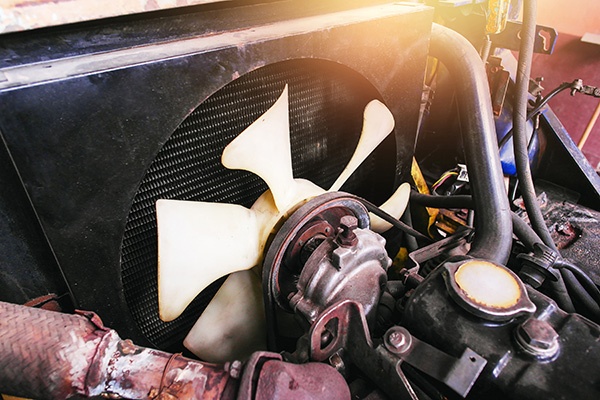
A radiator fan running after car is off often belongs to the normal cooling strategy. Switching off the engine stops combustion immediately. Heat does not disappear with the dashboard lights.
Engines can become hotter in places after shutdown
While a car is moving, air passes through the grille and across the radiator. Coolant circulates through the engine, carrying heat away. The cooling fan assists whenever natural airflow is insufficient.
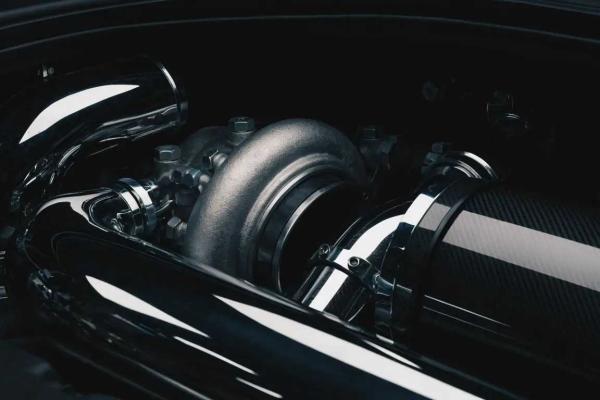
Switching off removes much of that circulation and airflow. Heat stored in the engine, exhaust system and turbocharger continues spreading into nearby components. Engineers call the temperature rise that can occur in certain areas after shutdown heat soak.
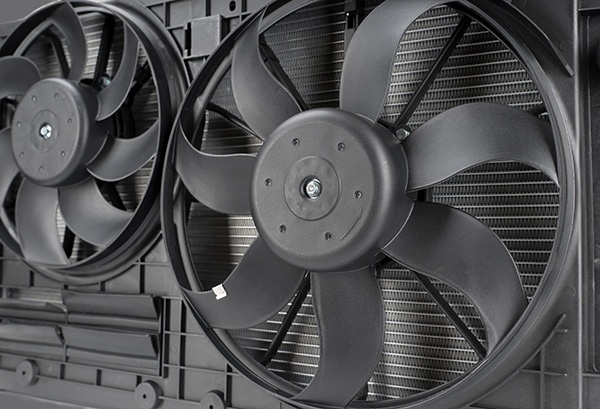
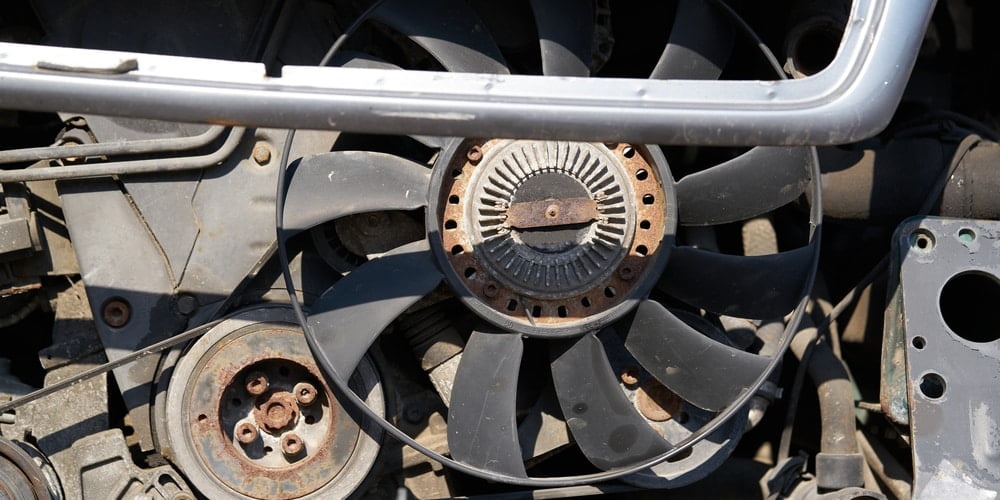
An electric cooling fan can operate independently of the engine. The car’s control module may keep it running for several minutes to lower temperatures beneath the hood.
Ford tells owners that the cooling fan may continue operating for several minutes after the vehicle is switched off. The warning also reminds owners to keep hands and clothing away from the fan.
Mazda provides a similarly blunt explanation: the fan may switch on after the ignition has been turned off to cool the engine compartment quickly.
Some journeys make fan operation more likely
A fan commonly stays awake after:
- Slow driving in heavy traffic
- A steep climb
- Towing or carrying a heavy load
- Hot-weather driving
- Extended air-conditioning use
- Parking immediately after a demanding drive
Turbocharged engines can produce concentrated heat around the turbocharger and exhaust manifold. Some vehicles also operate electric coolant pumps after shutdown, adding a quieter whirring or humming sound to the fan noise.
Diesel cars bring another possibility. If the particulate filter was regenerating, the cooling system may continue operating after the engine stops. Ford notes that post-shutdown fan operation on certain diesels can occur even after short journeys and may not correspond directly with coolant temperature.
Hybrids and plug-in hybrids may cool power electronics or battery-related components as well as the combustion engine. The sound under the hood therefore does not always belong to a traditional radiator job.
How long is normal?
There is no universal timer. A few minutes may be completely ordinary for one model, while another rarely runs its fan after shutdown.
The owner’s manual provides the best reference. Normal behavior should eventually stop on its own without warning lights, steam or a rising temperature gauge during the preceding drive.
A fan that runs longer on a very hot day than during a cold morning has an obvious explanation. Sudden, repeated operation after every gentle trip deserves more curiosity.
Signs the fan may be reporting a real problem
Post-shutdown cooling becomes less reassuring when accompanied by:
- A high-temperature warning
- Steam from beneath the hood
- A sweet coolant smell
- A visible coolant leak
- Regular loss of coolant
- Repeated battery drain
- A fan that runs for an unusually long time
- A fan that cycles constantly after the engine has cooled
Low coolant, a faulty temperature sensor, stuck relay, wiring problem or cooling-system fault can keep the fan operating incorrectly. A thermostat or water-pump problem may also cause the engine to run hotter, forcing the fan to work harder.
Never open a hot cooling system to investigate. Pressurized coolant can escape violently. Check the reservoir only after the vehicle has cooled and follow the procedure in the manual.
Hands should also stay away from the fan blades, even when the engine appears completely dead. An electric fan can start without warning.
The continuing roar may sound like a car refusing to switch off. More often, the car has finished driving and started cleaning up the heat left behind.