North Korea Ordered 1,000 Volvos in 1974. Sweden Is Still Waiting for the Money
by AutoExpert | 23 September, 2026
In 1974, a shipment of 1,000 boxy Swedish sedans arrived in North Korea.
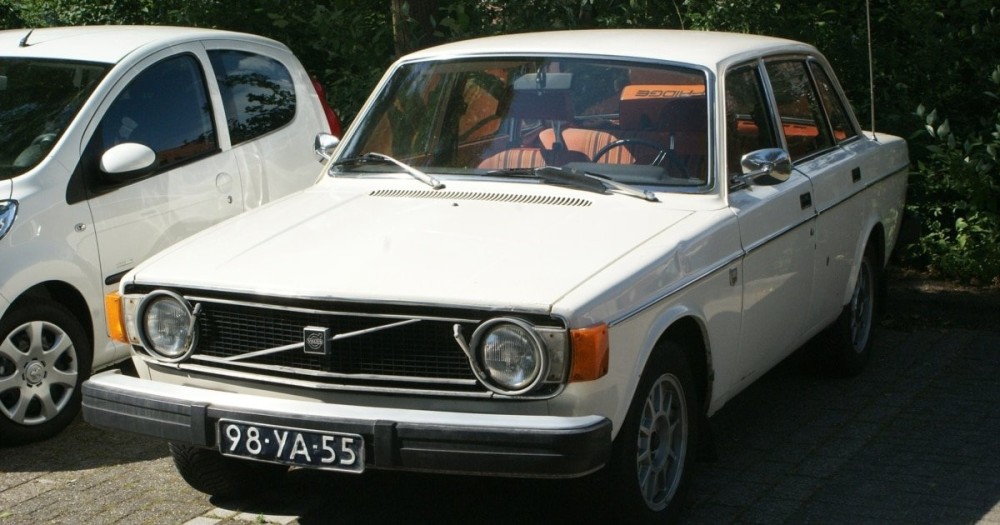
The cars were Volvo 144 GLs, sensible four-door machines known for sturdy construction, generous interior space and all the visual flamboyance of a filing cabinet. They were exactly the sort of vehicles that could survive hard work, rough roads and decades of improvised maintenance.
They were also never paid for.
More than half a century later, the North Korea Volvo debt remains one of the strangest unsettled accounts in automotive history. Sweden’s export credit agency inherited the claim, North Korean drivers kept the cars, and reminders continued travelling in one direction while money stubbornly refused to travel in the other.
Sweden saw an opportunity in North Korea
The sale makes more sense when viewed through the optimism of the early 1970s.
North Korea was attempting to expand its industrial economy and acquire Western machinery. Rising prices for some of the minerals it exported encouraged confidence that foreign purchases could be repaid. Western companies, meanwhile, saw a potentially valuable new market that had not yet been claimed by their competitors.
Sweden had established diplomatic relations with North Korea and was willing to trade. Swedish companies supplied an assortment of industrial equipment, including machinery used in mining. Volvo contributed the most memorable part of the package: 1,000 examples of its 144 sedan.
The 144 was hardly an exotic diplomatic gift. Introduced in 1966, it was an important mainstream model for Volvo and one of the company’s biggest sellers. Its upright body, large windows and simple mechanical layout made it practical at home and unusually well suited to a country where spare parts and specialized servicing might eventually become difficult to obtain.
According to Volvo’s account of the deal, the 144 GLs were shipped to Pyongyang after an order approved by the North Korean leadership. The cars arrived as promised.
The payment did not.
Volvo was protected, but the bill did not disappear
The story is often presented as Volvo sending 1,000 cars into the unknown and absorbing the entire loss. The actual arrangement was slightly less painful for the manufacturer.
The sale was insured through Sweden’s Export Credit Agency, known as EKN. When North Korea failed to pay, the agency compensated Volvo. From the carmaker’s perspective, the deal was closed. The unpaid claim then became the Swedish agency’s problem.
That distinction matters. Volvo did not spend the next 50 years mailing increasingly irritated invoices to Pyongyang. Sweden’s export credit system took over the debt and continued seeking repayment.
Interest and the passage of time turned an already substantial obligation into a claim valued in the hundreds of millions of dollars, although published totals vary depending on the year and calculation used. A 2017 Voice of America report said the agency was sending a reminder every six months. Volvo reported in 2025 that reminders were still being sent.
They have apparently been more successful at demonstrating Swedish patience than collecting Swedish money.
What happened to the cars?
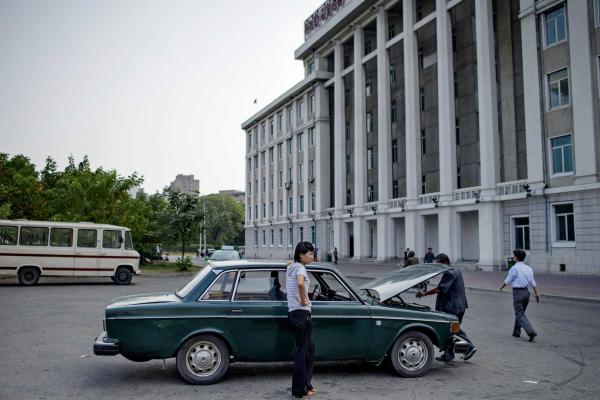
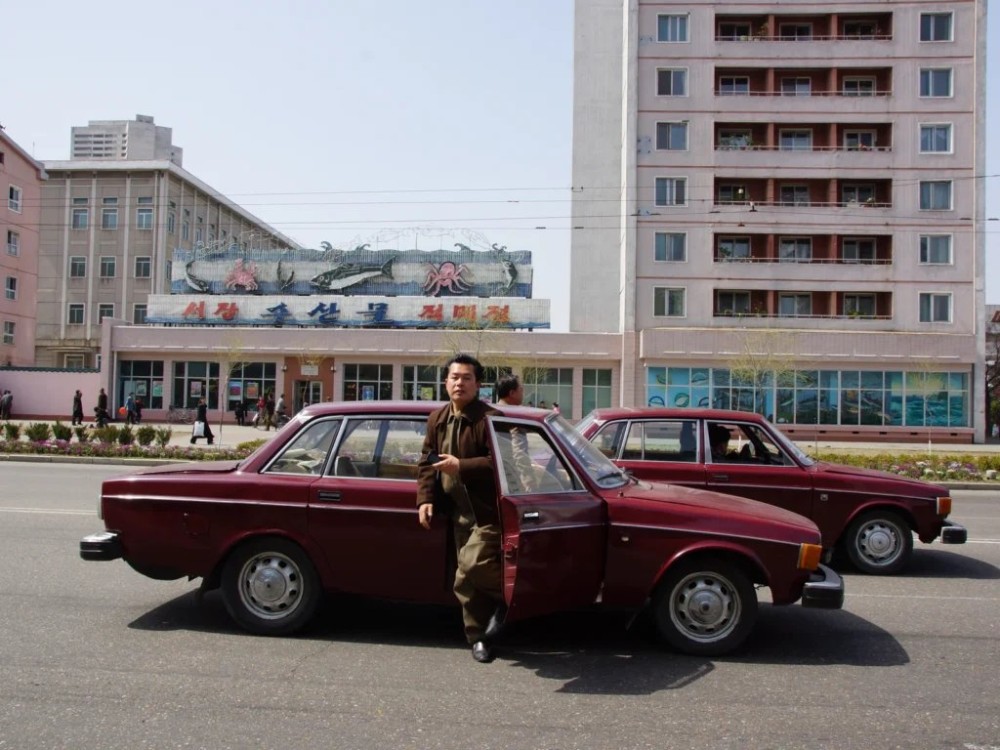
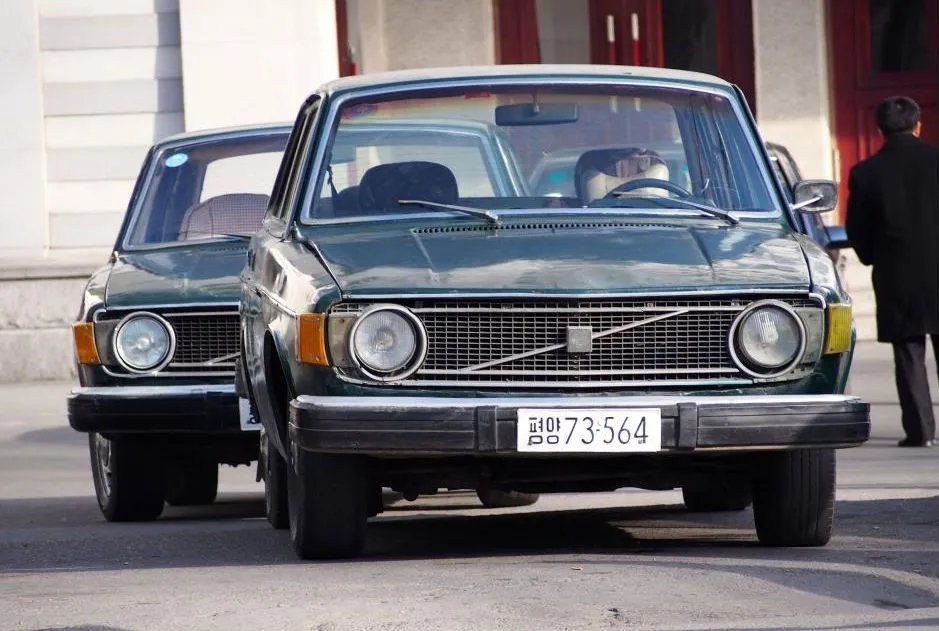
For years, the old Volvos were a familiar sight in Pyongyang. Many were used as taxis, turning a Cold War trade failure into an unofficial rolling exhibition of Swedish durability.
Keeping them alive could not have been easy. The Volvo 144 was sold in many countries, which may have provided indirect sources of components. Simple mechanical parts could be repaired or reproduced, while unusable cars could donate pieces to healthier examples.
That process undoubtedly thinned the fleet. Every working car may have represented several others gradually sacrificed for trim, glass, suspension components and pieces of drivetrain.
Yet some survived far longer than anyone signing the original paperwork could reasonably have expected. In 2016, the Swedish Embassy in Pyongyang shared an image of one of the unpaid Volvos still on the road. Volvo said in 2025 that some were believed to remain in service, often as taxis, although access to proper parts was likely limited.
There is something fitting about the choice of car. Had North Korea ordered a fragile luxury model packed with experimental electronics, the fleet might have disappeared quietly decades ago. Instead, it selected a Volvo from an era when longevity was almost part of the bodywork.
An unpaid invoice with wheels
Calling the episode a theft makes for a lively headline, but the underlying story was a failed international trade deal. The vehicles were ordered and delivered through formal commercial arrangements. North Korea then defaulted on the obligation, along with other debts accumulated during its attempt to purchase Western technology.
Recovering the money presents an obvious problem. Ordinary borrowers need access to credit and generally have assets that creditors can pursue. A heavily isolated state has far less incentive to maintain a respectable credit score, and its useful assets are difficult to reach.
The surviving cars therefore became something more than elderly taxis. Each Volvo 144 was a reminder of a brief period when Sweden believed North Korea might become a viable commercial partner.
The sedans crossed the world because both sides expected a developing economic relationship. Instead, they produced an invoice famous enough to outlive most of the cars listed on it.
Sweden is still waiting. Somewhere in North Korea, an old Volvo may still be working.