McLaren Said It Would Never Build an SUV — Now It’s Spending Big to Make One
by AutoExpert | 16 September, 2026
McLaren spent years saying it would never build an SUV. That position has now changed. The British supercar maker has confirmed a high-performance SUV for before the end of the decade, putting it up against models such as the Ferrari Purosangue and Aston Martin DBX.
The SUV forms part of McLaren’s £500 million ($674 million) investment in its UK operations. The company plans to expand its British manufacturing business and add at least 1,000 jobs by 2032. It also plans to build a new assembly plant separate from its Woking base. That factory will handle future McLaren models, including the new “performance SUV.”
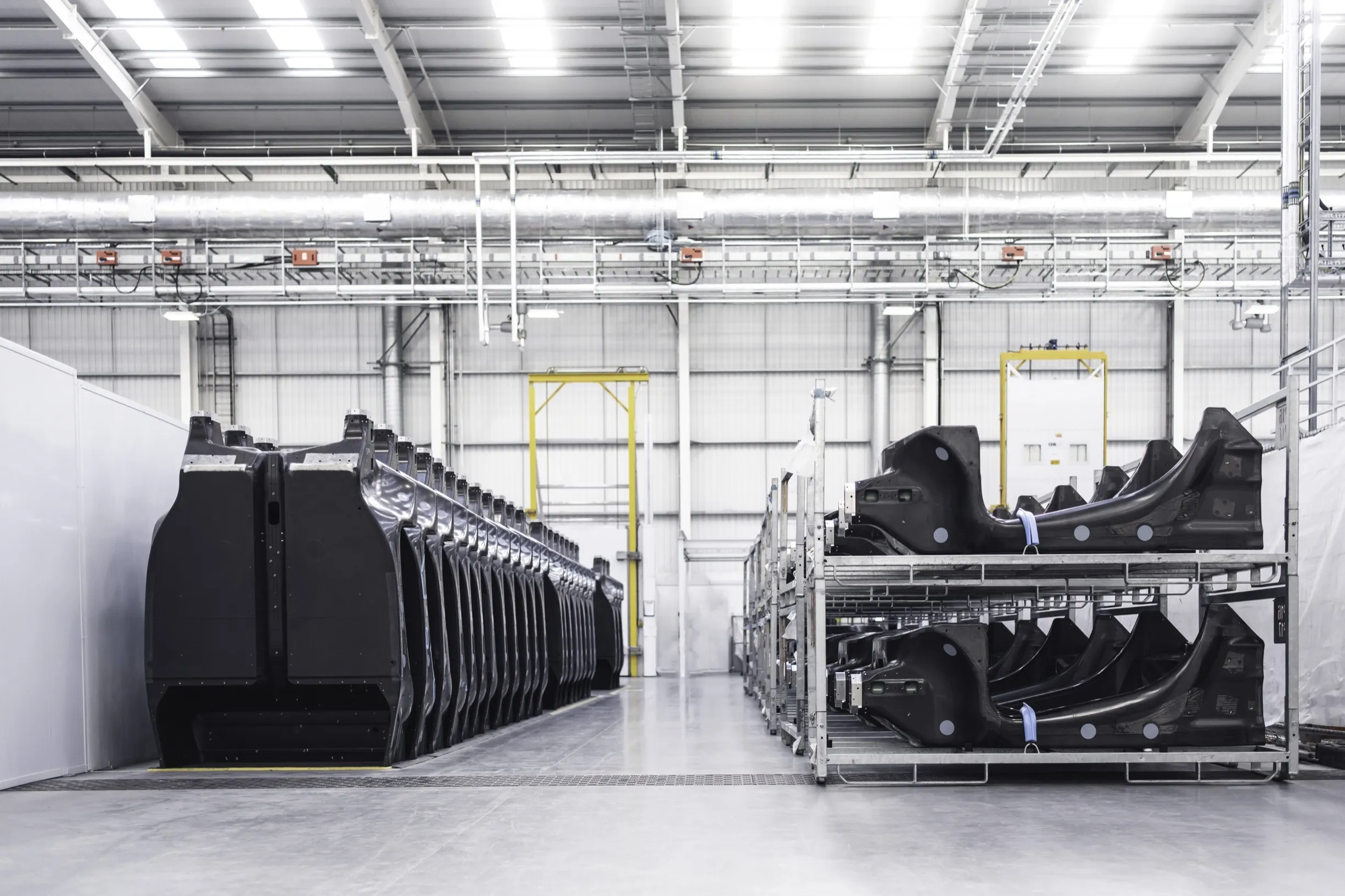
McLaren has kept the technical details to itself for now. COO Michael Straughan told Autocar that the company is considering a carbon-fiber tub similar to the structures found in its supercars. The SUV should arrive before 2030 and could open the door to more front-engine, all-wheel-drive models. McLaren dealers reportedly saw an early version last year. Reports described a muscular shape similar to the Porsche Cayenne Turbo GT, along with 24-inch wheels.
The change also comes under a different CEO. Mike Flewitt rejected SUV proposals several times during his time at McLaren in the 2010s. Michael Leiters has taken a different approach since becoming CEO. Before joining McLaren, Leiters worked at Ferrari and Porsche, where he helped develop the Cayenne and Purosangue.
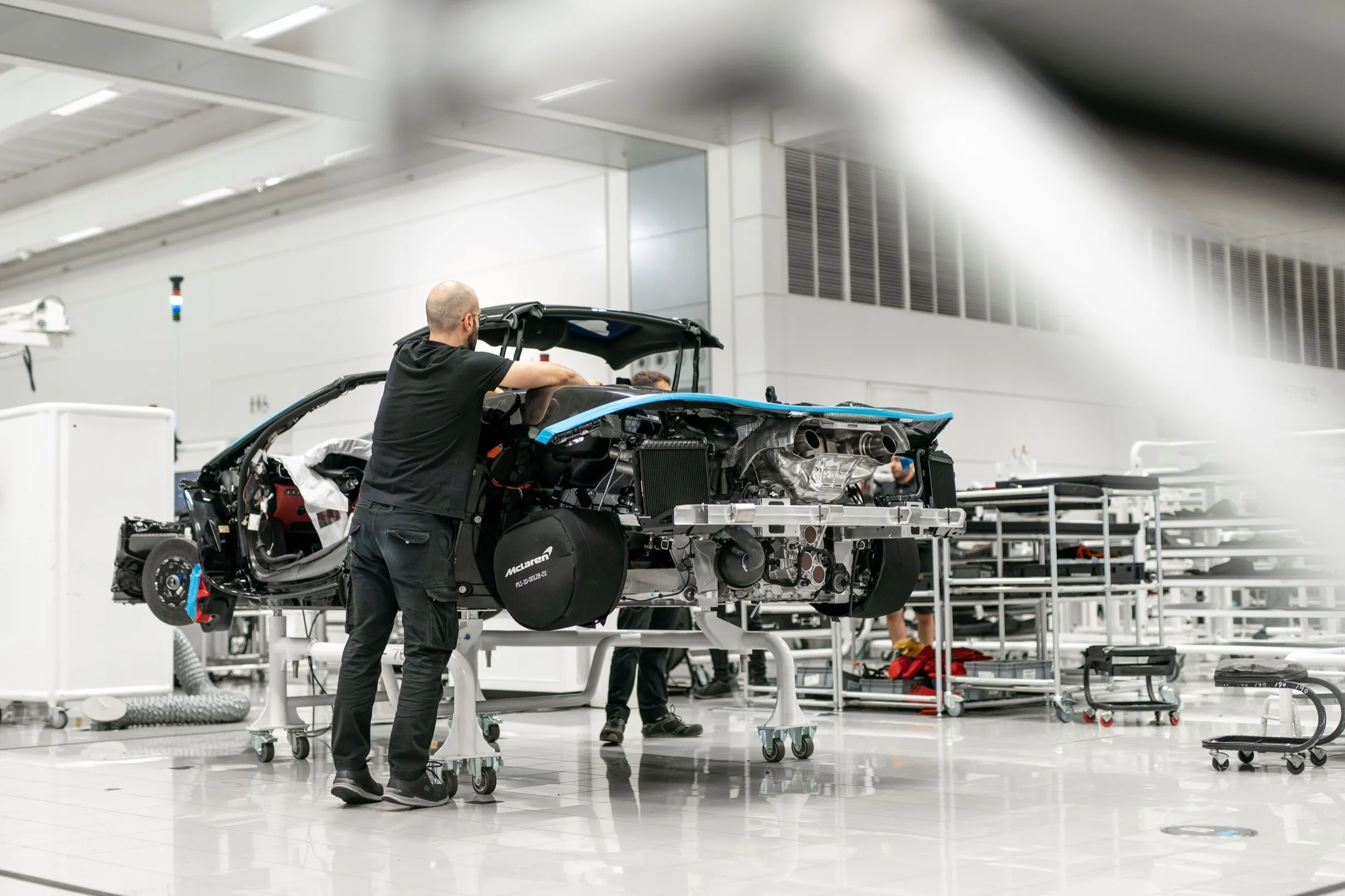
The money behind the McLaren SUV plan makes the decision easier to understand. McLaren built around 2,000 cars across its range in 2025. Ferrari could build as many as 3,000 Purosangues a year, while Lamborghini sells roughly twice that number of Urus SUVs. McLaren sees the SUV as a way to reach customers who would never consider one of its low-slung supercars.
The company is also taking control of its engines. Ricardo currently builds McLaren’s engines, but that arrangement will end as McLaren brings engine development and production in-house. Engineers already have two new hybrid engines and their transmissions in development.
McLaren has taken a long time to accept the SUV idea, but the company now sees a place for one in its future. We still have no production design or full technical details, but the model will take McLaren into a part of the market it spent years avoiding.