Car Dashboard Lights: A Guide to What They Actually Mean
by AutoExpert | 5 August, 2025
Picture this: driving down the highway when suddenly a weird symbol pops up on the dashboard. Most people just hope it goes away on its own.
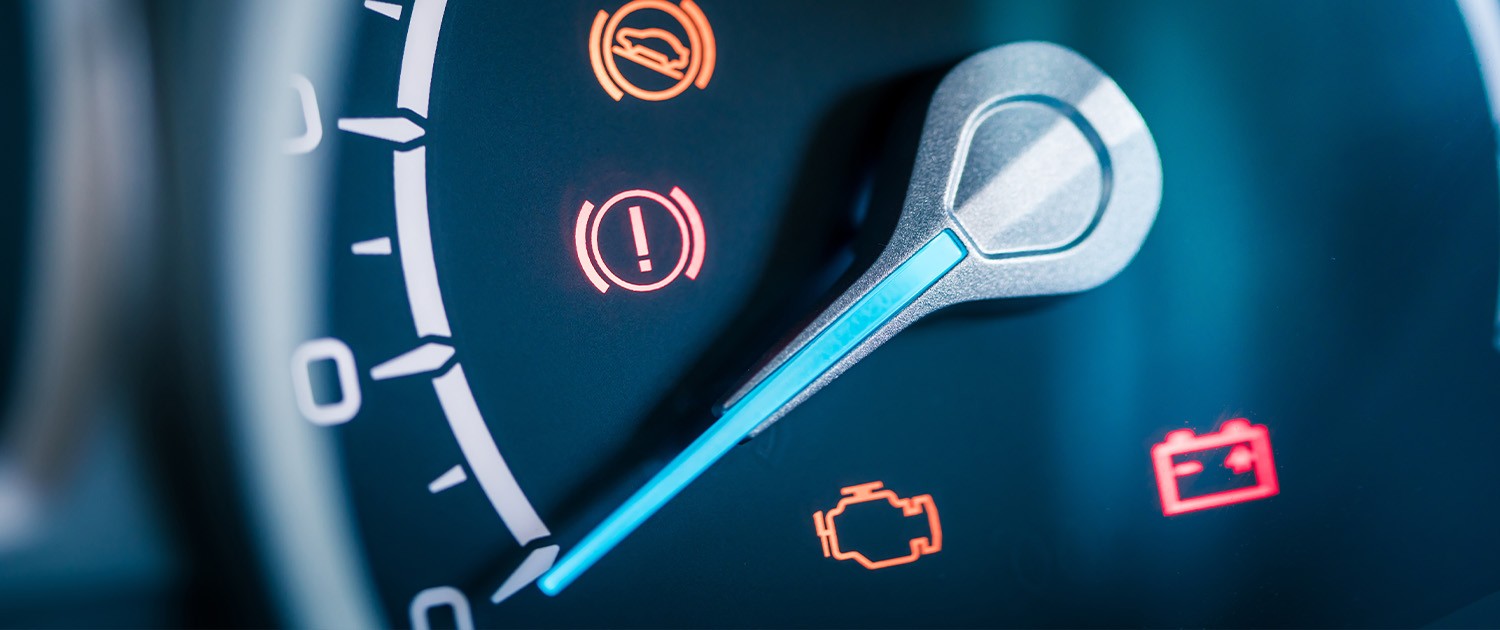
Turns out nearly half of American drivers can't figure out what most of their car's warning lights mean. Some people can't identify any of them. That's like ignoring a smoke detector because the beeping is annoying.
These lights aren't just random decorations. They're the car's last-ditch effort to prevent something from breaking in spectacular fashion.
Red Lights Mean Business
When something glows red on the dashboard, it's time to pay attention. These are the "pull over right now" warnings:
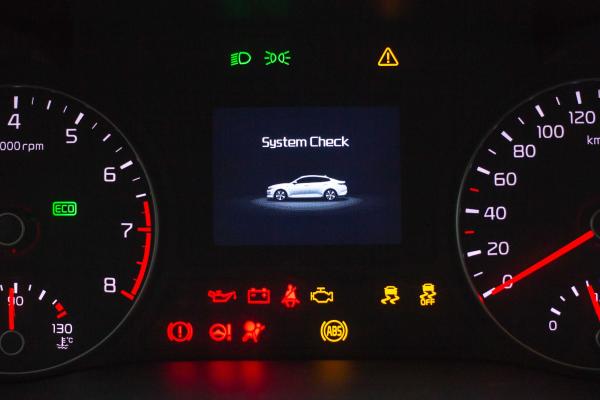
The battery light looks exactly like you'd expect - a little battery with plus and minus signs. Could be the actual battery dying, or maybe the alternator that charges it. Either way, the car might just stop running.
Brake warnings sometimes mean the parking brake is still on. If that's not it, there might not be enough brake fluid. Either way, brakes are pretty important for not crashing into things.
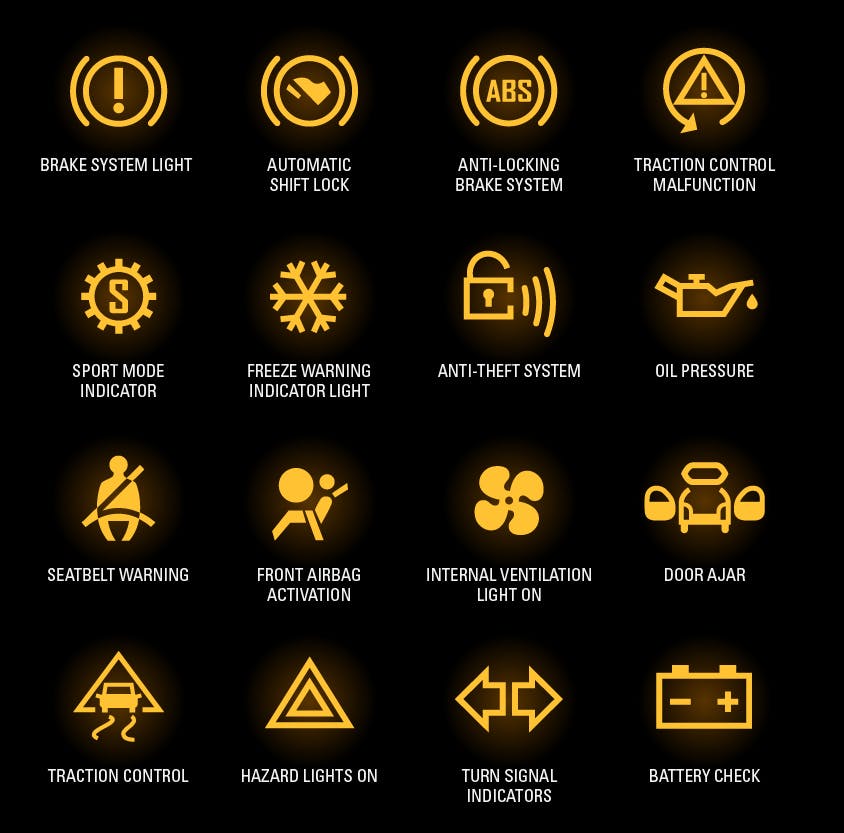
Oil pressure warnings look like those old-timey oil cans. This one's serious - no oil pressure means the engine is about to turn into expensive scrap metal. Stop driving and check if there's actually oil in there.
Temperature lights show a thermometer with squiggly lines. The engine is basically having a fever. Let it cool down unless burning through a few thousand dollars sounds fun.
Airbag lights mean one of the safety bags has issues. Probably still driveable, but getting in an accident without working airbags isn't ideal.

Yellow Lights Are Nagging
These won't strand anyone immediately, but they're worth fixing before they become expensive problems:
Check engine lights are the mystery novels of dashboard warnings. Could be anything from forgetting to tighten the gas cap to serious engine problems. Most auto parts stores will scan the computer codes for free.
Tire pressure warnings mean at least one tire needs air. Driving on underinflated tires is like walking around in shoes that are too small - everything wears out faster and nothing works right.
Traction control lights pop up when the car is preventing wheels from spinning. Normal in snow or rain, but weird if it's happening on dry pavement.
Service lights are basically calendar reminders. Time for an oil change or whatever maintenance the car needs.
Blue and Green Are Just Chatty
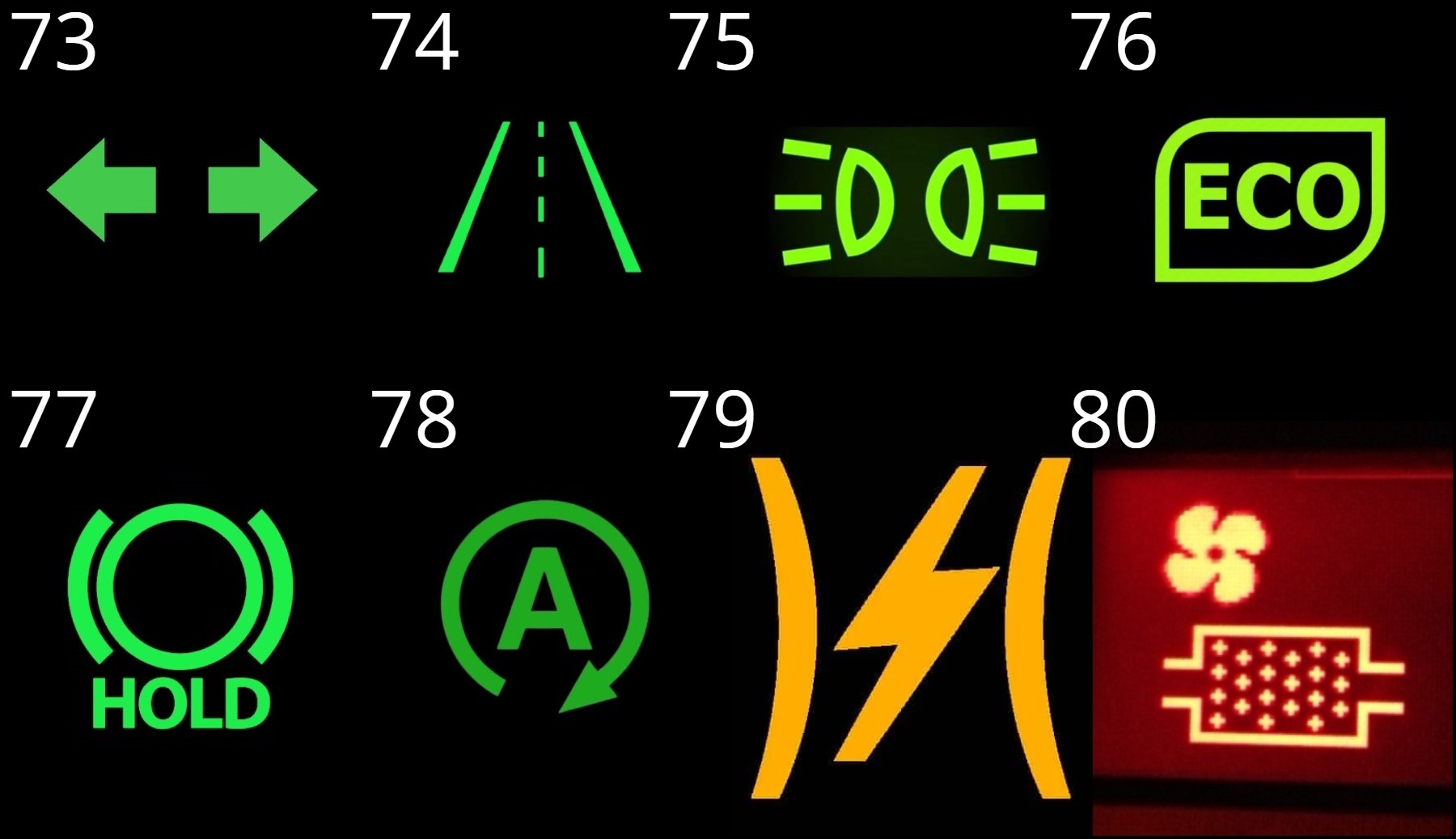
These lights are the car's way of saying "hey, this thing is on right now":
Turn signal arrows show which way the car is signaling. Pretty straightforward.
High beam lights are blue and mean the bright headlights are on. Don't blind other drivers.
Fog lights should only come on when it's actually foggy. Using them in clear weather is like wearing sunglasses at night - it just makes things worse for everyone.
Don't Ignore the Car
Modern cars are basically computers with wheels attached. Those warning lights are error messages, and ignoring them usually makes problems worse and more expensive.
Most issues start small and grow into budget-crushing repairs when people pretend they don't exist. A $30 oil change beats a $3,000 engine replacement every time.
When something lights up, check the owner's manual or ask someone who knows about cars. Guessing is expensive, and cars don't fix themselves.