Most People Overpay at the Dealership - Here's Exactly How to Stop That From Happening to You

by AutoExpert | 30 March, 2026
Buying a car without a plan is how people end up agreeing to things they did not mean to agree to.
That is not because they are careless. It is because the dealership does this every day, and most people do it once every few years at most. The salesperson knows how to guide the conversation, how to keep you focused on the wrong number, how to make something sound affordable when it is actually expensive, and how to keep things moving before you have had time to stop and think.
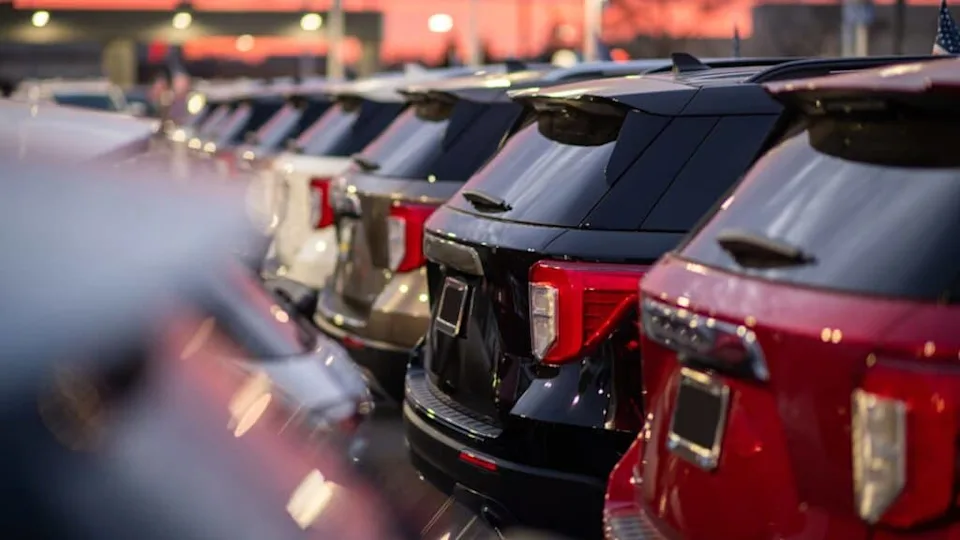
That is why so many people drive off the lot feeling fine, then look back later and realize they probably paid more than they needed to.
The upside is that negotiating is not some rare talent. You do not need to be intimidating, slick, or unusually confident. You just need to be prepared and not let the conversation get away from you.
The first trap to avoid is the monthly payment conversation.
Dealers love that question. “What do you want your monthly payment to be?” It sounds harmless enough, even helpful. But it is one of the easiest ways to blur what you are actually paying. A higher price can be hidden inside a longer loan. Extra fees can disappear into the math. Before you know it, the payment sounds manageable, but the deal itself is worse than it should be.
So keep pulling the conversation back to the full out-the-door price. That is the number that matters. Not the sticker price by itself, and not the monthly payment. The actual total, with taxes, title, registration, dealer fees, all of it. Get that number straight first. Everything else comes after.
It also helps enormously to know the market before you even set foot on the lot.

A little research ahead of time changes the whole experience. Sites like Edmunds, Kelley Blue Book, and TrueCar can give you a decent sense of what people are really paying for the same make, model, and trim in your area. That way, you are not just reacting to whatever number they put in front of you. You walk in with a range already in your head, which makes the whole conversation much harder to manipulate.
Financing is another area where buyers get boxed in if they are not careful.
Getting pre-approved through a bank or credit union before you go to the dealership gives you leverage immediately. Now you are not sitting there hoping they give you a decent rate. You already have a rate. You already have an option. If the dealer can beat it, great. Let them beat it. But if not, you are not stuck pretending their financing offer is your only path forward.
That one step alone can change the tone of the deal.
Another thing that really matters is keeping each part of the deal separate.
This is where a lot of people get overwhelmed. The dealer starts talking about the price of the car, then your trade-in, then financing, then maybe a down payment, and all the numbers get folded into each other so quickly that it becomes hard to tell what is actually happening. That confusion is useful for them.
So slow it down. First, negotiate the price of the car itself. Nothing else. Once that is settled, then talk about the trade-in if you have one. After that, deal with financing. Three separate conversations. The more you let them blend together, the easier it is for a not-great deal to sneak past you.
And then there is the part people always know is important but still struggle with: you have to be willing to walk away.
That does not mean storming out or trying to be dramatic. It just means being genuinely ready not to buy the car that day if the numbers are not right. That changes everything. The moment they realize you are not trapped, not desperate, and not emotionally attached to making it happen immediately, your position gets stronger.
A lot of better offers appear only after the buyer stands up and leaves. Sometimes the call comes the same day. Sometimes it comes the next morning. But it often comes.
And even if you negotiate well up front, there is one more place people still get worn down: the finance office.
That is where all the add-ons come out. Extended warranties. Paint protection. Wheel coverage. GAP insurance. Interior treatments. Packages you were not thinking about an hour earlier suddenly get presented like they are essential. Some of those products can make sense in certain situations. A lot of them are overpriced. The problem is that by then, most people are tired and just want to be done.

That is exactly why it helps to decide ahead of time what you are open to and what you are not.
At the end of the day, buying a car does not have to feel like some high-pressure contest. The people who usually come out best are not the loudest or the toughest. They are just the ones who did their homework, stayed calm, and kept the conversation on the numbers that actually mattered.
That is usually enough.