
Your Brain Can Literally Stop “Being Present” While You Drive

by AutoExpert | 22 May, 2026
Almost everybody who’s driven long distances has had this happen, and the first time it does, it’s honestly kind of creepy.
You’re driving normally. Music’s playing. Traffic’s light. Then all of a sudden your brain snaps back into focus and you realize you have zero memory of the last several miles.
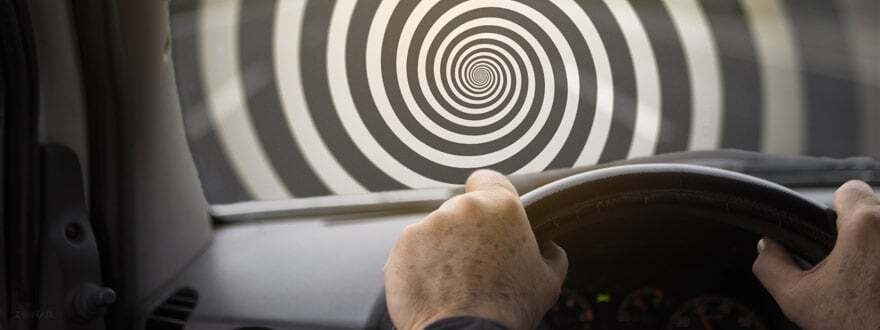
Not fuzzy memory. No memory.
You don’t remember passing the exit sign. Don’t remember changing lanes. Don’t remember overtaking that semi-truck that’s suddenly behind you now somehow. And yet the car stayed perfectly centered in the lane the whole time like nothing happened.
That weird mental blackout has a name: highway hypnosis.
And despite sounding like something invented by TikTok wellness influencers, it’s actually a very real psychological phenomenon researchers have studied for years.
The unsettling part is this: you weren’t asleep.
Your eyes were open. Your hands were steering. Your brain was still processing road information well enough to drive safely through routine situations. Basically, your subconscious took over the task while the conscious part of your brain wandered off to whatever random thought spiral humans apparently specialize in.
It’s sort of like when you suddenly realize you’ve shampooed your hair twice because your brain was busy replaying an argument from 2017.
Same mental mechanism.
Scientists call it automaticity, which sounds fancy but basically means your brain gets so practiced at repetitive tasks that it starts running them in the background automatically. Tying shoes. Typing passwords. Driving familiar highways for hours.
Normally that’s useful.
The problem is highways are unpredictable even when they feel boring.
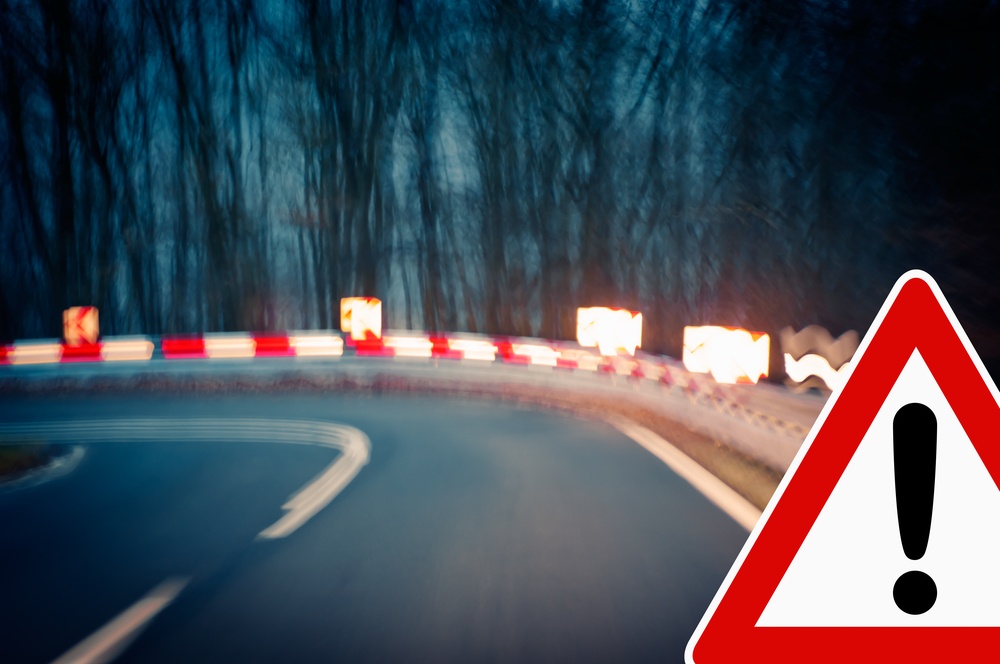
Your subconscious driving brain handles routine stuff surprisingly well. Staying in lane. Maintaining speed. Following traffic flow. But sudden unexpected events? Different story. Tire debris flying across the road. A deer appearing out of nowhere. Somebody drifting into your lane while scrolling through whatever disaster exists on their phone.
Those moments need conscious attention fast.
And if your brain is halfway into this weird trance-like autopilot state, reaction times can get ugly.
The conditions that trigger highway hypnosis are almost hilariously specific too. Long straight roads. Minimal traffic. Consistent speed. Smooth pavement. Familiar routes. Night driving especially.
Basically every road trip ever across the middle of America.
Nighttime makes it worse because fatigue sneaks into the equation too. The repeating pattern of lane markers, headlights, and dark surroundings creates this hypnotic visual rhythm that researchers sometimes compare to meditation or repetitive visual stimuli.
Which sounds peaceful until you remember you’re controlling two tons of moving metal at 75 mph.
The scary thing is most people don’t even realize it’s happening until after the fact.
You suddenly “wake up” mentally and have that awful moment of:
“…wait, where was I just now?”
And no, blasting music isn’t always enough to stop it. Sometimes your brain adapts to that too. Humans are disturbingly good at mentally disappearing during repetitive tasks.
The good news is there are ways to interrupt it before you drift too deep into autopilot mode.
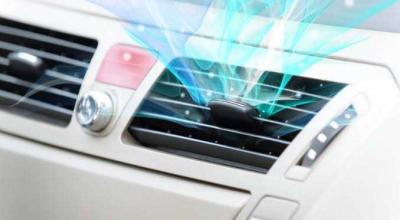
Tiny environmental changes help more than people think. Adjust the airflow. Crack a window for thirty seconds. Change playlists completely. Move your seat slightly. Anything that forces your brain to notice a shift in surroundings.
Hydration matters too. Heavy meals are brutal for long drives because digestion pulls your body toward that sleepy, zoned-out feeling. Ever eaten greasy fast food during a road trip and immediately started feeling like a tranquilized bear? Exactly.
And honestly, real breaks matter way more than people admit.
Not fake breaks where you pump gas while still staring at your phone like a zombie. Actual breaks. Walk around. Stretch. Wake your nervous system back up. Your brain needs interruptions to stay engaged.
One interesting thing researchers have noticed: cruise control can actually make highway hypnosis worse for some drivers.
Makes sense when you think about it. The car maintaining speed removes one more active responsibility from your brain. Less engagement means it becomes even easier for your mind to quietly float away into abstract nonsense while your body keeps driving.

Which, frankly, is both impressive and horrifying from a neuroscience perspective.
So if you ever catch yourself realizing you “lost” the last ten or fifteen minutes of driving, don’t panic. It doesn’t mean something is medically wrong with you.
But it is a warning sign.
Your brain just told you it’s slipping into passive mode, and passive mode is not where you want to be when something unpredictable happens at highway speeds.
That’s your cue to pull over, reset, wake yourself up properly, and come back mentally before the road forces you to.