Ignore Your Coolant System and Summer Will Make You Regret It
by AutoExpert | 13 May, 2026
Your engine is basically a controlled firebox.
Not in a poetic way. Literally. It runs hot enough that, if the cooling system stops doing its job, things can get ugly fast. Normal operating temperature is somewhere around 195 to 220 degrees Fahrenheit, and that’s before you add summer traffic, towing, steep hills, or the joy of sitting at a red light while the pavement looks like it’s melting.
And yet most people think about coolant exactly never.
Maybe they know there’s some green, orange, or pink liquid under the hood. Maybe. But beyond that? It’s just “the stuff in the plastic tank.” Until the temperature gauge climbs and everyone suddenly becomes very interested.
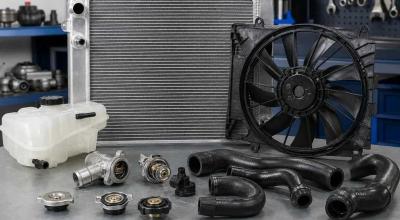
Coolant is what keeps the engine from cooking itself. It moves through passages inside the engine, picks up heat, carries that heat to the radiator, cools down, then goes back in to do it again. Over and over. The thermostat controls the flow so the engine warms up properly but doesn’t turn into a very expensive toaster.
Simple system. Big consequences.
If it fails, you’re not just dealing with an inconvenience. An overheated engine can warp cylinder heads, blow a head gasket, crack parts that should absolutely not crack, and suddenly a cheap maintenance job becomes a repair bill with a comma in it. On older cars, overheating can basically total the thing.
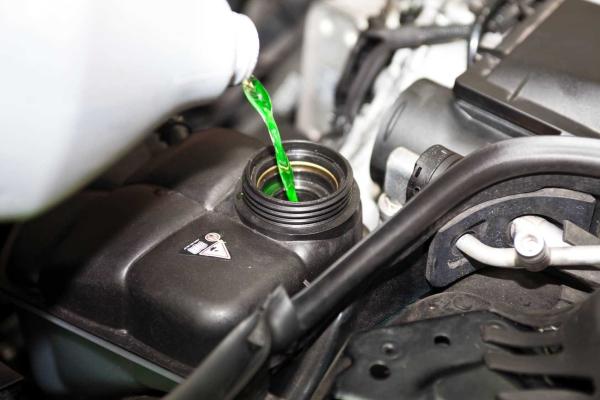
The easiest thing to check is the coolant level. Do it when the engine is cold. Really cold. Not “I drove ten minutes ago but it’s probably fine” cold. Cooling systems build pressure, and opening the wrong cap hot is a great way to have a terrible afternoon.
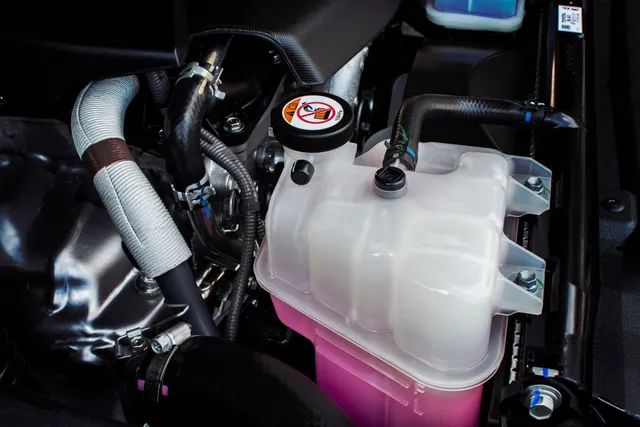
Look for the coolant reservoir. Usually it’s a translucent plastic tank near the radiator with MIN and MAX marks on the side. The fluid should sit between those lines. If it’s low, top it off with the correct coolant for your car.
And yes, correct matters.
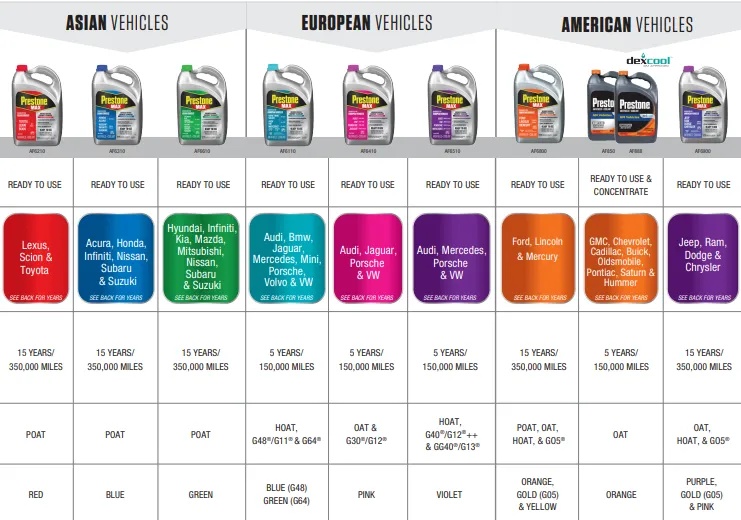
Coolant colors are not just decoration. Green, orange, red, yellow, blue, they can mean different chemical formulas, and mixing the wrong types can create sludgy gunk that clogs passages and ruins the whole point of having coolant in the first place. If you don’t know what your car takes, check the owner’s manual. If you don’t know what’s already in there and it looks suspicious, a proper flush is the safer move.
Coolant also does not last forever. Over time it loses its corrosion protection and can turn acidic. That means it starts attacking the system from the inside: radiator, water pump, gaskets, hoses. All the stuff you really want to keep happy. Some cars need a flush around 30,000 miles or five years. Others with long-life coolant can go much longer. Again, manual. Annoying answer, but the right one.
There are warning signs too, and they’re worth noticing before the car starts steaming like a cartoon.
Temperature gauge creeping higher than normal. A sweet smell under the hood or coming through the vents. Bright puddles under the car after it’s been parked. Heater suddenly blowing cold air when it used to work. Coolant in the reservoir looking rusty, murky, or full of floating junk.
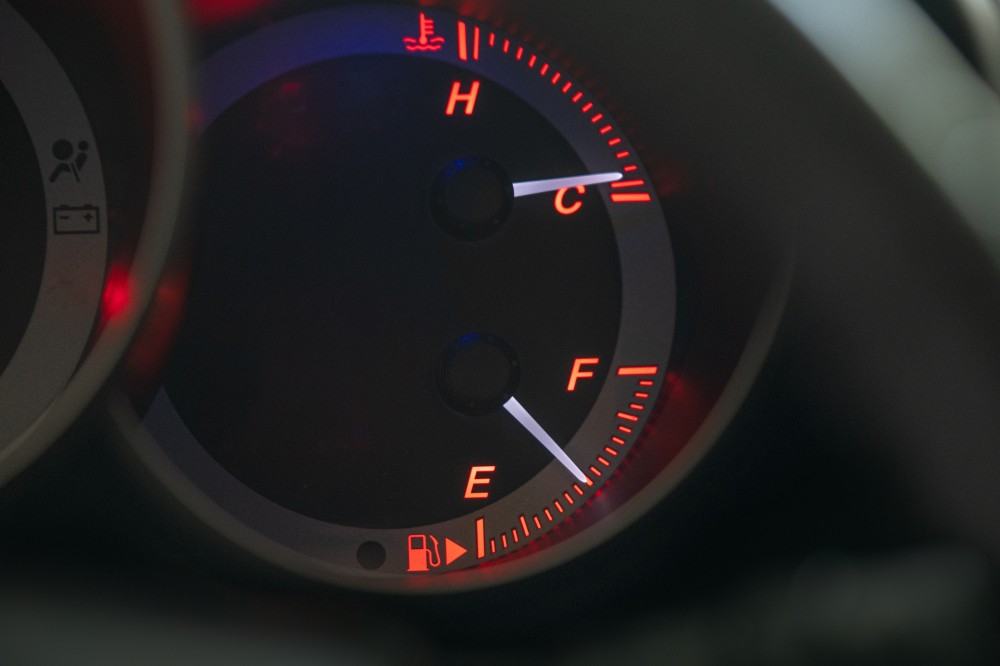
None of that is “monitor and hope.” That is “get it checked.”
Before summer really gets going, take ten minutes. Check the level. Look at the color. Squeeze the radiator hoses gently and see if they feel cracked, brittle, or weirdly soft. Glance at the front of the radiator for leaves, bugs, bent fins, whatever else the road threw at it.
It’s not glamorous maintenance. Nobody brags about coolant at dinner.
But your engine cares.
And if the cooling system gives up in July, you’ll care too.