
Reverse Gear Grinds Even With the Clutch Down? Count to Three Before Blaming the Gearbox
by AutoExpert | 17 August, 2026
There are few sounds more effective at making a driver feel guilty than the crunch of a manual gearbox going into reverse. The clutch is buried in the carpet. The car is standing still. Everything seems to have been done properly, yet the gear lever produces a noise that sounds as though two expensive pieces of metal have just introduced themselves with their teeth.
The natural conclusion is that something inside the transmission is wearing out. Sometimes that is true. Quite often, though, reverse simply needed a little more time.
Reverse is the odd one in the gearbox
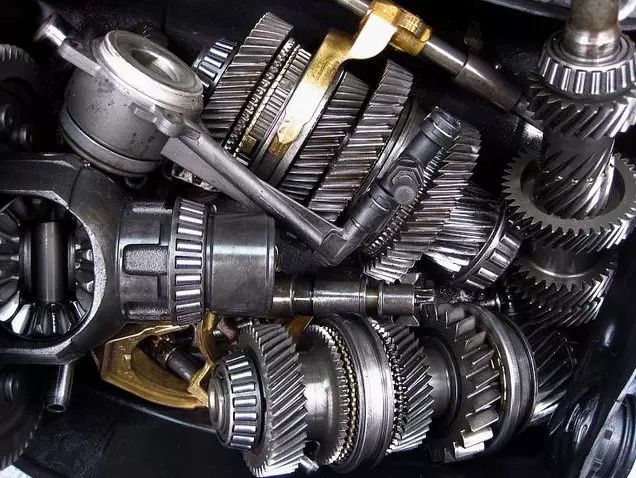
Most forward gears in a modern manual transmission use synchronizers. These small mechanisms bring rotating parts to compatible speeds before the gears engage, which is why a normal change from third to second does not require the driver to perform a perfect mechanical ballet.
Reverse has not always received the same treatment. Many manual transmissions use a reverse gear without a synchronizer, although the design varies between vehicles. Pressing the clutch disconnects the engine from the gearbox, but it does not stop every internal component instantly. The transmission input shaft can continue spinning for a moment on its own momentum.
Move the lever into reverse while that shaft is still turning and the gear teeth may meet before their speeds have settled. That is the crunch.
Volkswagen addressed this exact complaint in a technical bulletin, explaining that the input shaft may not have slowed sufficiently to engage a non-synchronized reverse gear. Its remarkably uncomplicated advice was to stop completely, let the engine settle below 1,000 rpm and wait two seconds before selecting reverse. Ford has published similar guidance, recommending a pause of approximately three seconds with the clutch depressed.
It sounds almost too simple, but it gives the spinning parts time to calm down.
Try this before forcing the lever
Come to a complete stop and keep the brake applied. Press the clutch fully, then count slowly to three before selecting reverse.
Do not lean harder on the gear lever if it refuses to move. Sometimes the teeth have stopped directly opposite one another and cannot mesh. Return to neutral, release the clutch briefly, press it again and retry. That tiny movement changes the position of the gears and often allows reverse to slip in cleanly.
Some drivers select a synchronized forward gear before moving the lever into reverse. That can help stop the input shaft, but the correct technique depends on the transmission. The owner’s manual should take priority over a ritual inherited from somebody’s grandfather.
Engine speed matters as well. Selecting reverse while the engine is still flaring after startup gives the shaft more rotation to lose. The same applies if the car is creeping, even slightly. Reverse should be selected only after the vehicle has stopped.
When the noise deserves more than three seconds
An occasional reluctant shift is not automatically a mechanical crisis. Grinding every time is different.
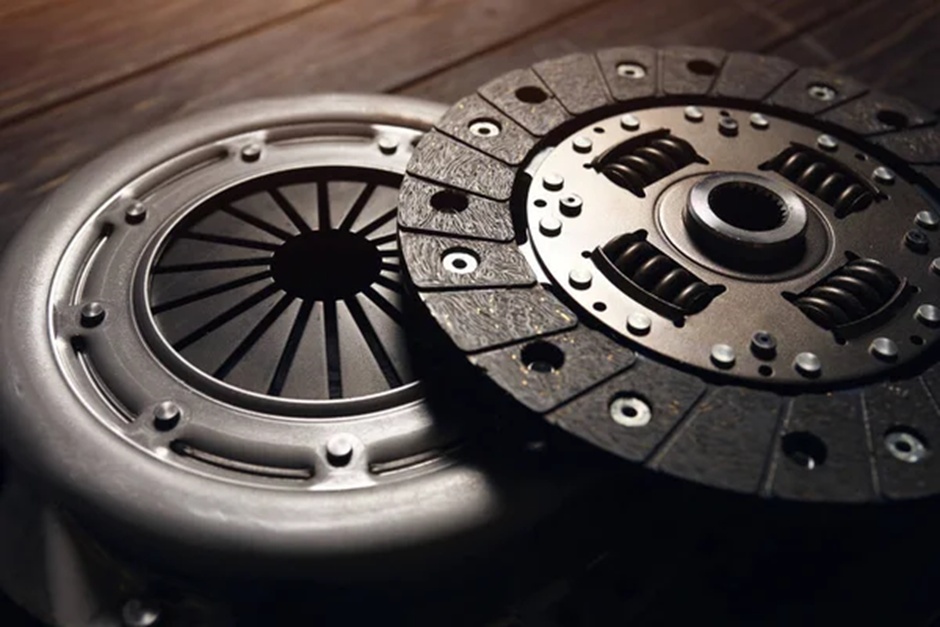
If reverse still crunches after a deliberate pause, the clutch may not be releasing fully. Known as clutch drag, this leaves some engine torque reaching the transmission even though the pedal is down. First gear may also become difficult to select, the car may try to creep with the clutch depressed, or engagement may grow worse as the vehicle warms.
Possible causes include incorrect clutch adjustment, air in a hydraulic clutch system, a worn release mechanism or a damaged clutch disc. Persistent grinding can eventually damage the gear teeth, so forcing the lever and hoping the problem develops better manners is not much of a strategy.
A gearbox that suddenly begins grinding after years of clean engagement also deserves attention. The same is true if the lever jumps out of reverse, the transmission makes noise while the car is already moving backward, or the clutch pedal feels noticeably different.
Still, one isolated crunch does not mean the gearbox has prepared an enormous invoice. Manual transmissions are physical things. Shafts spin, teeth occasionally stop in awkward positions and reverse can be less polished than the gears used on the road.
Three seconds can feel surprisingly long when the driveway is waiting. It is considerably shorter than a transmission repair.