You Topped Up the Washer Tank. The New Fluid Could Be Why the Light Stayed On

by AutoExpert | 8 October, 2026
Topping up the washer tank ought to be one of the least complicated jobs a car can demand. Open the bonnet, find the right cap, pour. There is no good reason for it to become an ongoing conversation with the dashboard.
Sometimes it does. The low-fluid warning stays lit after a refill, even though the washers send a healthy spray across the glass. You know there is fluid in there. You have just paid for it.
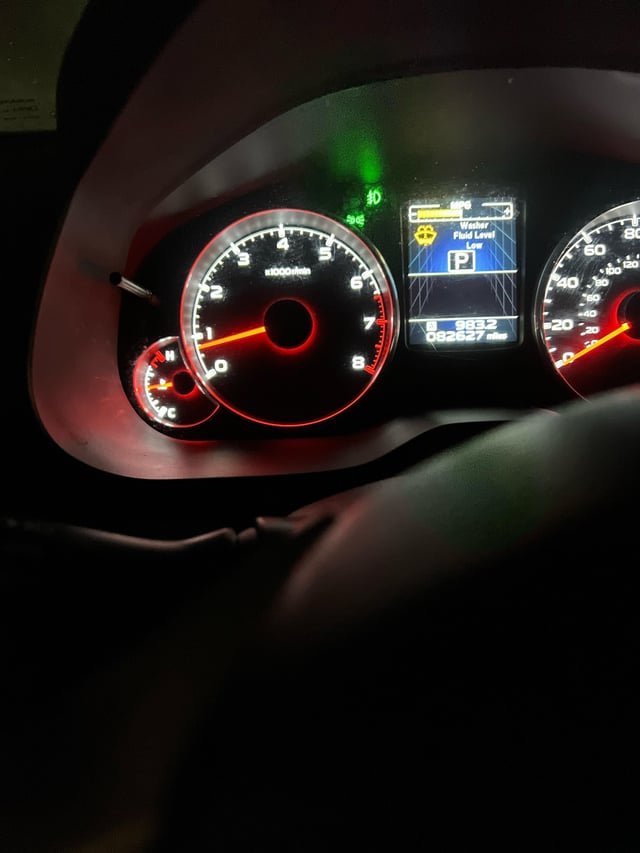
A failed level sensor seems a reasonable suspect, but there is another possibility worth checking before buying one: the fluid you poured in may have left a coating on it.
This isn’t merely a theory passed around owners’ forums. Chrysler issued a service note asking technicians to check for that exact problem before ordering a replacement sensor.
A top-up can be the clue
The Chrysler note specifically mentions orange Rain-X washer fluid and tells technicians to inspect the sensor pins for a coating. Where residue is found, it calls for cleaning the pins, draining the reservoir and refilling with the recommended conventional fluid.
The detail is easy to miss because the washers themselves can still work. The liquid reaches the windscreen, while the part reporting its level gives the wrong impression. From the driver’s seat, it looks as though the car has simply refused to acknowledge the refill.
Volkswagen recorded a similar complaint in a May 2014 technical newsletter. Its advice for 2011–2014 models, excluding the Routan, explained that non-approved fluids could leave residue on the sensor and keep the warning illuminated with a full reservoir. Cleaning and the proper refill were part of the repair.
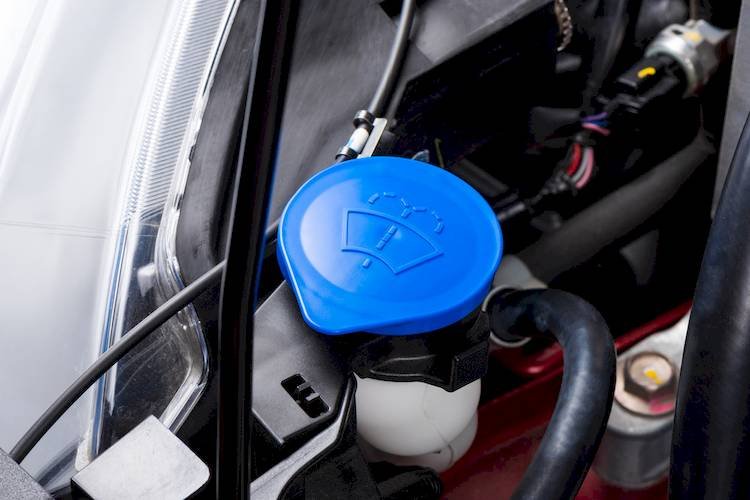
For an owner, the useful question is whether the warning started around the time a different product went into the tank. Perhaps the usual bottle was sold out. Perhaps the new one promised to repel rain as well as clean the glass. That purchase is worth mentioning when the car goes in.
Keep the bottle, or take a photograph of its label. “Some orange stuff from the petrol station” gives the technician rather less to work with.
Don’t buy by colour alone
Those service instructions concern particular systems and fluids. They don’t establish that all water-repellent washer products cause trouble, or that every blue liquid is suitable for every car. The vehicle’s requirements, including protection against freezing, still determine what belongs in the reservoir.
That matters when looking for an easy fix. Diluting the contents or pouring in another formulation won’t necessarily remove residue already sitting on the sensor. And a workshop instruction to clean a removed component is no invitation to send household detergent through the washer system.
Have the actual fluid level checked first. If it is correct, the product used and any relevant service guidance can help narrow down the next step. Accessing the sensor may involve more dismantling than the innocent-looking filler cap suggests, so this can be a job for the workshop.
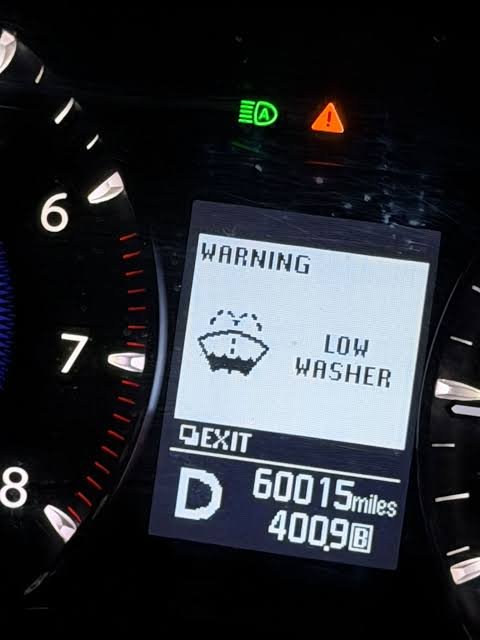
If there is no coating, or cleaning doesn’t resolve the warning, the sensor and its electrical connection still need checking. The fluid is a useful lead, not a diagnosis to insist on regardless of what the inspection finds.
A stubborn washer light can easily earn itself a place on the list of things an owner learns to ignore. Better to sort it while the tank really is full. Otherwise, the next time the warning is telling the truth, there may be no reason to believe it until the washers stop halfway through clearing a dirty windscreen.