

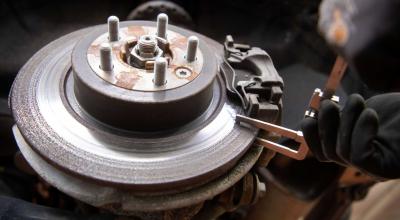
The usual explanation sounds perfectly logical. When a car slows down, its weight moves toward the front. The front tires carry more load, so the front brakes provide more of the stopping force. That
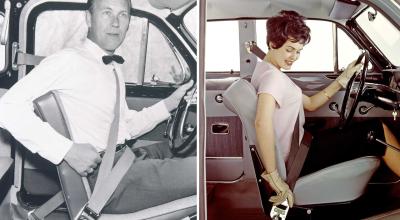
Open the door of certain 1980s or early 1990s cars and a small buckle begins travelling along the roofline. Sit down, close the door and the shoulder belt glides toward the B-pillar, hopefully passi
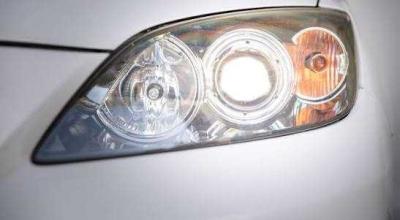
Park some cars facing a garage door at night and start the engine. Before the wheels have moved an inch, the headlights perform a small piece of theater. The beams dip toward the ground, rise again
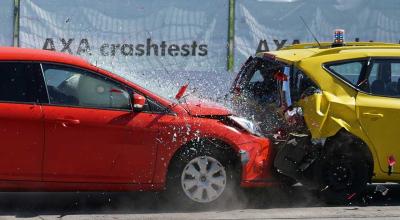
A car can leave a collision with a crushed bumper, broken lights and a hood folded into an expensive-looking shape, yet every airbag remains neatly hidden. From outside, that makes little sense. Th
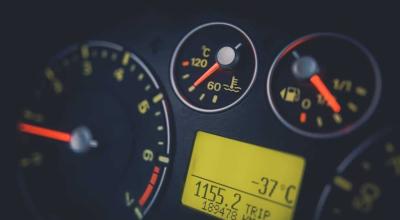
A car left in the afternoon sun does not need long to turn into a small greenhouse. The steering wheel becomes unpleasant to touch, the seats feel freshly ironed and the dashboard claims it is 104 deg
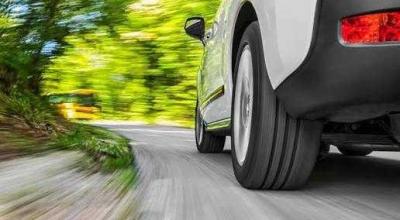
The car drifts gently toward the shoulder, and suspicion immediately falls on the alignment. That is understandable. A car should travel where it is pointed, and anything that seems to tug at the s
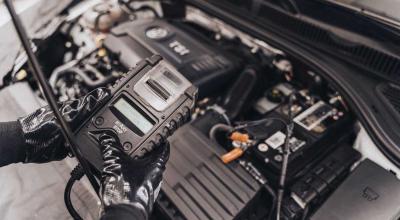
There was a time when replacing a car battery was a reassuringly simple job. Disconnect the old one, wrestle it out of its tray, drop in the new one and tighten the terminals. If the engine started, t
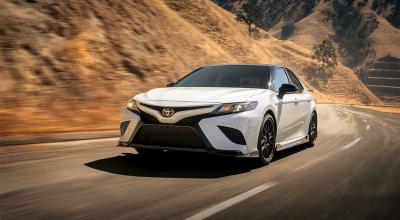
I was eighteen the first time I heard someone brag that their Toyota cracked 300,000 miles. It sounded like folklore: the Loch Ness Camry. Two decades and six very different cars later, I’ve

There's real money to be saved by doing your own car maintenance. Oil changes, air filters, wiper blades, bulbs — these are legitimately easy, and the savings are real. A cabin air filter th
Fifty-three and a half percent. That’s how many roadside breakdowns come down to tires, not engines or mysterious sensors—just rubber that never got a second glance before a family pil