Your New Battery Is Installed, but the Car May Still Think the Old One Is There
by AutoExpert | 28 July, 2026
There was a time when replacing a car battery was a reassuringly simple job. Disconnect the old one, wrestle it out of its tray, drop in the new one and tighten the terminals. If the engine started, the work was done. Many cars still operate that way.
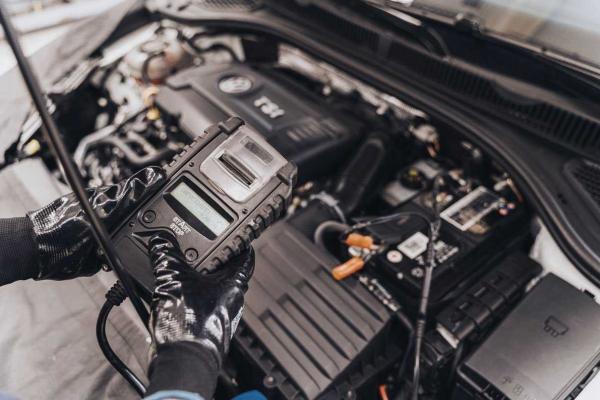
Others want a formal introduction to their new battery. They may need the replacement registered with a battery management system, reset through a particular procedure or coded using diagnostic equipment. Skip that step and the engine may start perfectly well, yet the car can continue managing the charging system as though the tired old battery were still under the hood.

That is where an apparently successful replacement can become less successful several months later.
Why the car remembers an aging battery
Modern electrical systems do much more than keep the alternator running at one fixed output. A battery management system may monitor voltage, temperature, current flow, state of charge and patterns of electrical use.
It also learns that batteries age.
An older battery does not accept and retain energy in quite the same way as a new one. To compensate, the car may adjust its charging strategy over time. When the battery is replaced, some systems need to have that accumulated information cleared.
Battery registration tells the car that a new battery has been installed. Depending on the vehicle, the process may also record the battery’s capacity, technology, serial number or manufacturer.
Without that reset, the charging system may continue using assumptions developed around the old battery. That can contribute to incorrect charging behavior, shorten the replacement battery’s life or interfere with energy-saving features.
Start-stop systems are often the first to complain. A car may disable automatic engine stopping even though the new battery appears healthy. Warning messages, unusual charging behavior or electrical functions being temporarily restricted may follow.
Not every vehicle reacts in the same way, and not every modern car requires registration. That is why the answer to “does a new car battery need to be programmed?” cannot be reduced to a universal yes or no.
The service information for the specific model provides the real answer.
Registration, coding and resetting are not quite the same thing
These terms are often used interchangeably at parts stores and repair shops, but they can describe different jobs.
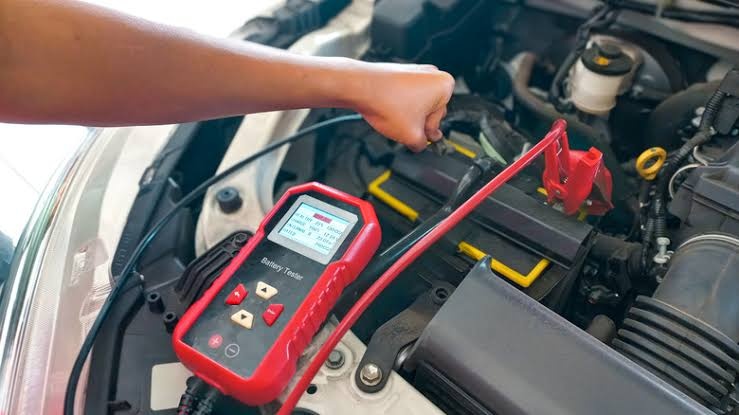
Registration usually means informing the existing battery management system that the old battery has been replaced with a new one of the same general specification.
Coding may be required when something more substantial changes, such as battery capacity or chemistry. Installing an AGM battery in place of an EFB battery, for example, may require the charging strategy to be altered rather than merely reset.
A BMS reset can describe either a diagnostic procedure or a manufacturer-specific sequence involving switches, pedals or ignition cycles. Some vehicles can perform limited relearning on their own after the replacement. Others require a scan tool.
The differences matter because pressing a few buttons found in an online video is not necessarily equivalent to registering a battery properly.
The letters on the battery are not decoration
Battery programming is only half the story. The physical replacement must also be correct.
A vehicle originally fitted with an AGM battery generally needs another AGM battery of the appropriate specification. AGM batteries are designed to handle demanding electrical loads and repeated charging cycles, making them common in cars with start-stop systems and heavy electronic equipment.
EFB batteries are also built for more frequent cycling than conventional flooded batteries. Replacing one with a basic battery simply because it fits the tray can produce disappointing results.
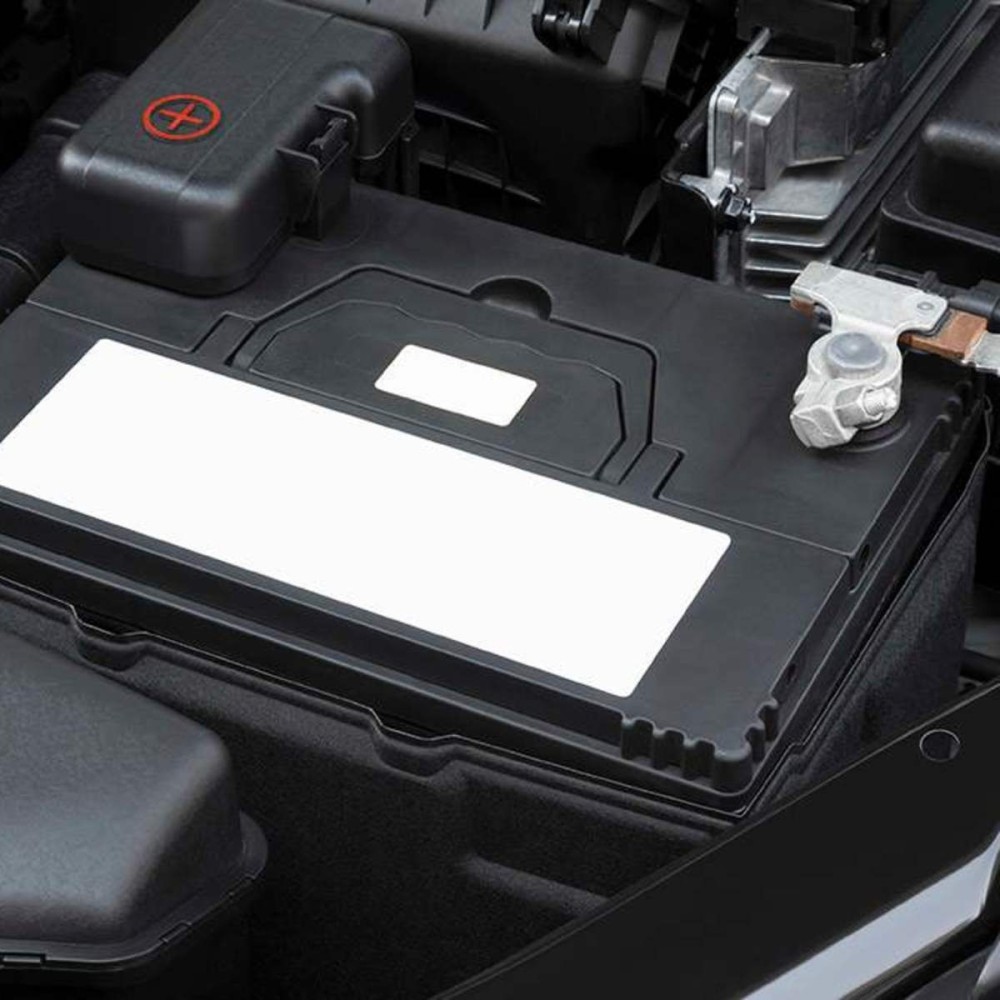
Capacity, cold-cranking performance, dimensions, terminal layout and venting provisions all matter. A battery mounted inside the cabin or luggage compartment may require a vent tube to carry gases outside the vehicle. Leaving it disconnected is not a harmless detail.
Modern cars are also sensitive to voltage loss during replacement. Windows may need to relearn their limits, steering-angle systems may need recalibration and saved radio settings can disappear. Some warning lights clear after a short drive. Others do not.
How to know what your car requires
The owner’s manual may mention battery replacement, although the full registration procedure is often found only in service information.
A knowledgeable battery installer should be able to check the vehicle by year, model and powertrain. It is worth asking two direct questions before the work begins: does this car require battery registration, and can the installer perform it?
The second question matters. Selling the correct battery does not automatically mean the shop has the diagnostic equipment needed to introduce it to the car.
A fresh battery should not have to spend its first years being treated like a worn-out one. On the right vehicle, a two-minute electronic reset can be just as important as tightening the terminals.