
How Long Do Cars Last? Brands, Mileage, and Maintenance That Push 300,000 Miles
by AutoExpert | 16 June, 2026
I was eighteen the first time I heard someone brag that their Toyota cracked 300,000 miles. It sounded like folklore: the Loch Ness Camry. Two decades and six very different cars later, I’ve discovered that long-life legends usually trace back to two ingredients: a badge with the right DNA and an owner who treats the maintenance chart like rent.
So, how long do cars last in real life?
A tidy answer, “200-thousand miles”, gets tossed around at parties, but averages hide a lot of funerals at 130k and a handful of rock stars still touring at 400k. The math matters. The typical American racks up about 15,000 miles a year, so a 200k odometer equals roughly thirteen birthdays, three sets of brake pads, and more oil changes than Instagram reminders to drink water.
The brands that make the climb look easy
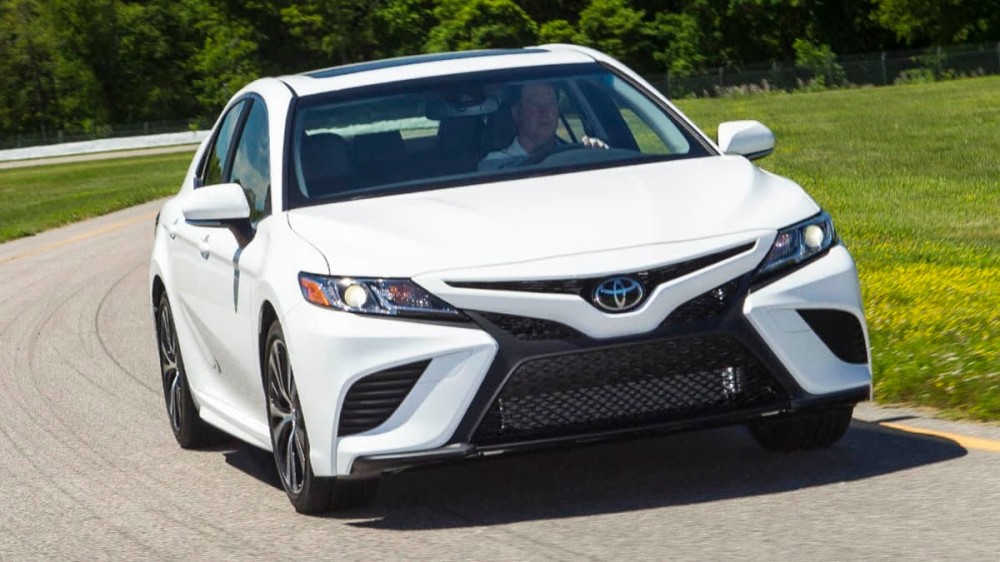
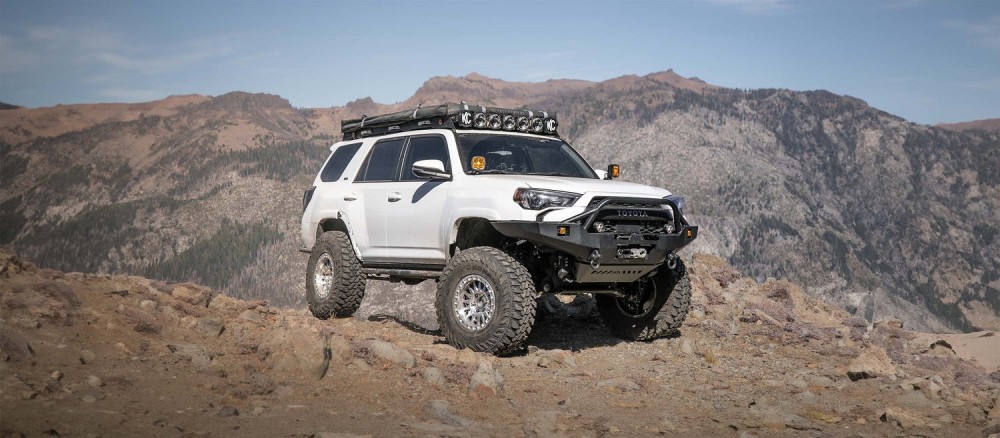
When people ask which badge to trust, I point to two letters: T and H. Toyota builds powertrains that feel downright bored at 250,000 miles. Data outfit iSeeCars crunched millions of VINs and found nearly one in five Toyotas projected to crest 250k. My friend Jamie’s 4Runner is at 311k on its original V6; it leaks character in the driveway every morning and still starts like it heard the school bell.
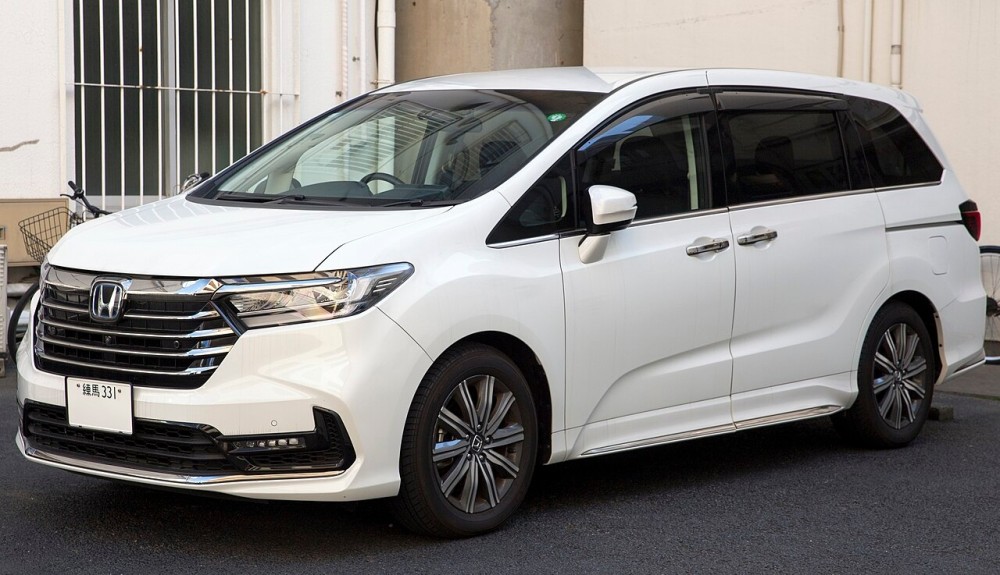
Honda follows the same “keep it simple, keep it tight” playbook. An Odyssey in my neighbor’s driveway survived four kids, a St. Bernard, and a cross-country move. At 280k the sliding door sticks, but the J35 V6 sounds like it just cleared warranty.
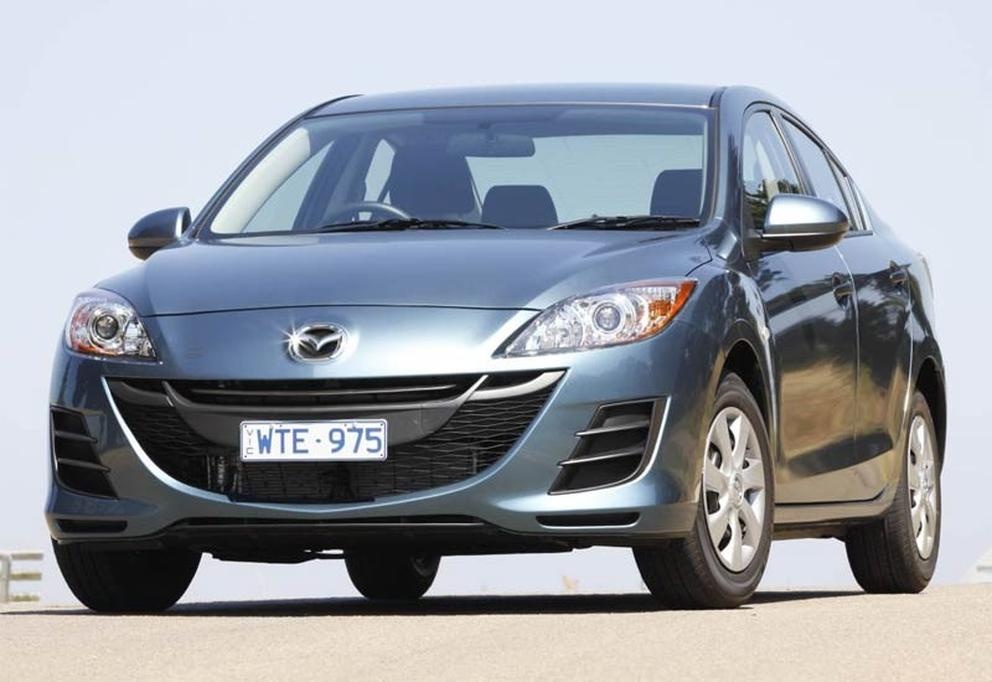
Mazda rarely gets a seat at the campfire, yet Consumer Reports keeps sneaking the brand into its reliability top three. I owned a 2010 Mazda3 that hit 220k before I sold it, and the biggest repair was a $90 ignition coil.
Luxury spinoffs, Lexus and Acura, inherit the same bulletproof guts, then add noise insulation and a few thousand extra dollars on the window sticker. If leather and longevity matter, that’s the cheat code.
The badges that struggle (or empty a wallet)
Land Rover nails off-road swagger but flunks long-term economics. Ask any indie Euro shop; they know the air-suspension warning light by name. Modern BMWs and Mercedes can absolutely clock big miles, but every 40,000-mile service costs the price of a decent used Civic. They’re brilliant machines; they’re also needy.
Domestics like Ram and Jeep live in the middle. I’ve seen 5.7-liter Hemis sail past 200k and 3.6-liter Pentastars tap out early. If you’re rolling the dice here, an extended warranty isn’t paranoia—it’s an umbrella.
The owner factor you can’t ignore
A neglected Toyota dies younger than a pampered Hyundai. All those 300k heroes on Reddit? They share common rituals: oil on time, fluids on schedule, tire pressures checked, little leaks fixed before they turn vindictive. Ignore a failing water pump on any engine and it’ll end the same way—steam cloud, tow truck, sad phone call.
Here’s the routine that saved my current Accord:
- Oil and filter every 6,000 miles, religiously.
- Transmission fluid every 40,000.
- Coolant, brake fluid, power-steering fluid: replace, don’t just “top up.”
- Spark plugs and valve-clearance checks before misfires become personality.
It’s boring, which is why it works.
So, what should you do if you want a long-runner?
First, buy a car with a track record. (Hint: most Toyotas and Hondas, late-model Mazdas, and a few golden-retriever-reliable Subarus.) Second, pretend the maintenance booklet is sacred text. Third, drive it like you actually want to keep it: warm-up before redline, avoid pothole slalom, wash winter salt off the underbody.

Do that and you’ll stop asking how long do cars last—because you’ll still be driving yours long after the car payment disappeared from your budget.