

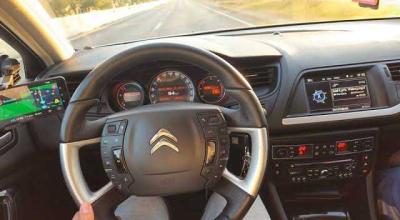
The first-generation Citroën C4 used a steering wheel with a rotating rim and a fixed central section. Keeping the centre stationary meant its controls stayed upright and allowed an airbag design
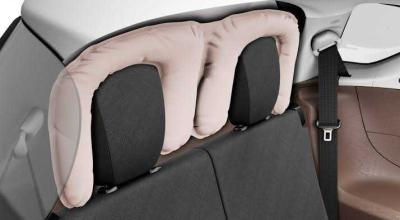
The Toyota iQ’s rear-window curtain airbag deployed from the roof lining above the back glass. Developed to help protect rear passengers’ heads in a rear-end collision, it addressed an obv
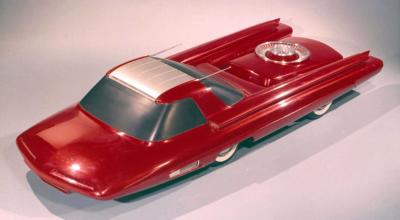
The Ford Nucleon looks as though someone moved the passengers forward to make room for a very important piece of luggage. Its cabin sits near the nose, leaving an enormous rear section between the fin
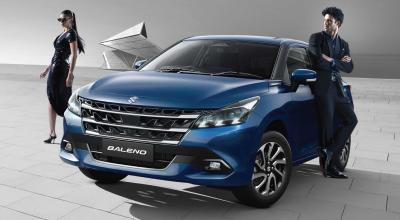
Suzuki isn’t betting everything on electric cars. Its plan for the next decade is a bit more complicated, with EVs, hybrids, and gasoline engines all staying in the mix. The company is also work
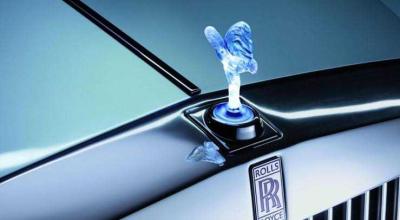
Long before carmakers filled dashboards with screens, an important piece of engine information was displayed outside the windshield. Early automobiles often carried their radiator filler caps at
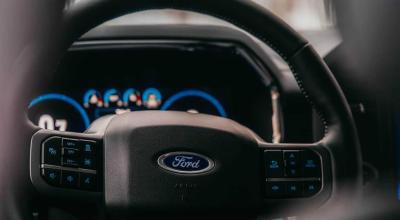
Drivers spend hours holding the steering wheel without giving much thought to what lies behind it. Remove the trim, switches and wiring, and the basic arrangement appears simple. A shaft carries th

Lower the front window in most cars and the glass disappears neatly inside the door. Try the same thing from the rear seat and several inches may remain stubbornly visible. The motor stops. The swi
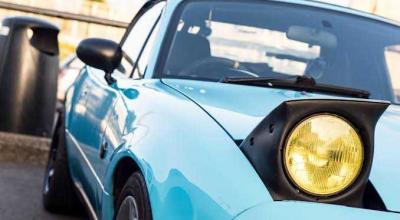
Few automotive features can make a parked car look as alive as pop-up headlights. Turn the switch and two neat sections of bodywork rise from the hood, pause with theatrical precision and reveal the l
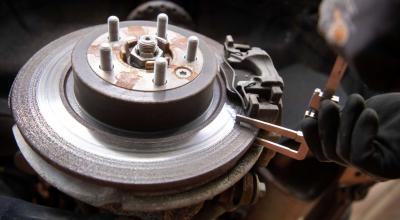
The usual explanation sounds perfectly logical. When a car slows down, its weight moves toward the front. The front tires carry more load, so the front brakes provide more of the stopping force. That
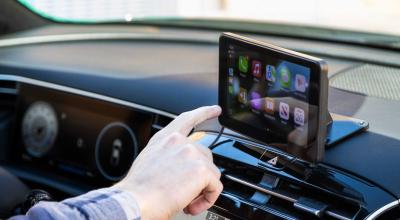
A dashboard without a radio now looks unfinished. Even the most basic car is expected to provide music, news and something to fill the silence when traffic has stopped moving but the clock has not.