Your Rear Window May Not Be Broken. Open the Door and Look at the Wheel Arch

by AutoExpert | 16 September, 2026
Lower the front window in most cars and the glass disappears neatly inside the door. Try the same thing from the rear seat and several inches may remain stubbornly visible.
The motor stops. The switch does nothing more. Both rear windows have apparently developed exactly the same fault at exactly the same time.
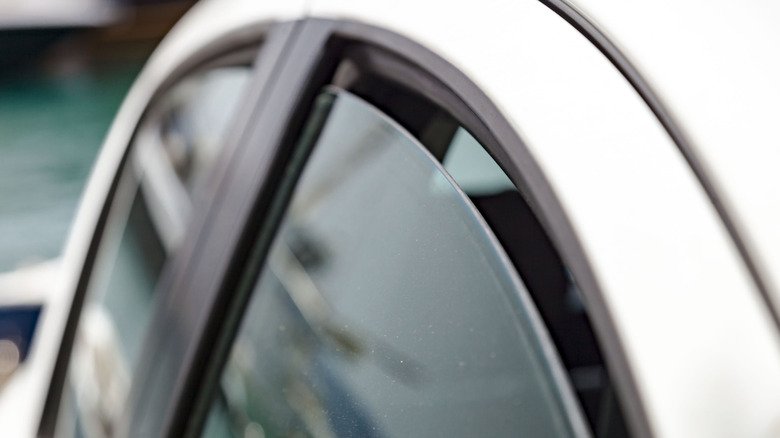
A popular explanation claims that manufacturers deliberately limit their travel to stop children leaning out. That sounds plausible until someone remembers that children can also sit in the front, open sunroofs and operate windows that do retract completely.
The real answer is usually visible from outside the car.
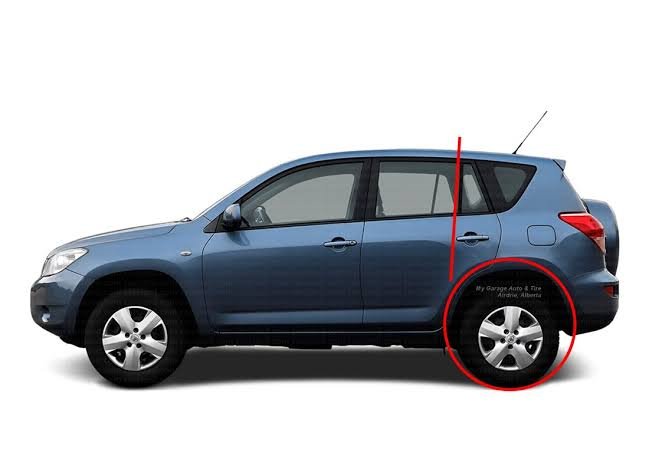
Follow the bottom edge of the rear door toward the back. In many vehicles, it rises sharply to clear the rear wheel. The window is trying to descend into a door cavity that becomes increasingly shallow, and eventually it runs out of somewhere to go.
Glass needs a hiding place
A car window does not vanish when lowered. The regulator guides the complete pane down into the hollow space between the inner and outer door skins.
Front doors usually provide plenty of depth. Their lower edges remain relatively straight, and the front wheels sit ahead of them. A large rectangular pane can travel almost vertically without meeting the wheel, a speaker or the door structure.
Rear doors have a more difficult shape.
The wheel arch cuts into their rear corner, removing the exact space where the glass would otherwise descend. If the visible window is taller than the usable cavity beneath it, full retraction becomes physically impossible.
Designers have several ways to manage the problem.
The simplest solution is to stop the glass before it reaches the wheelhouse. That leaves part of the window exposed when fully lowered.
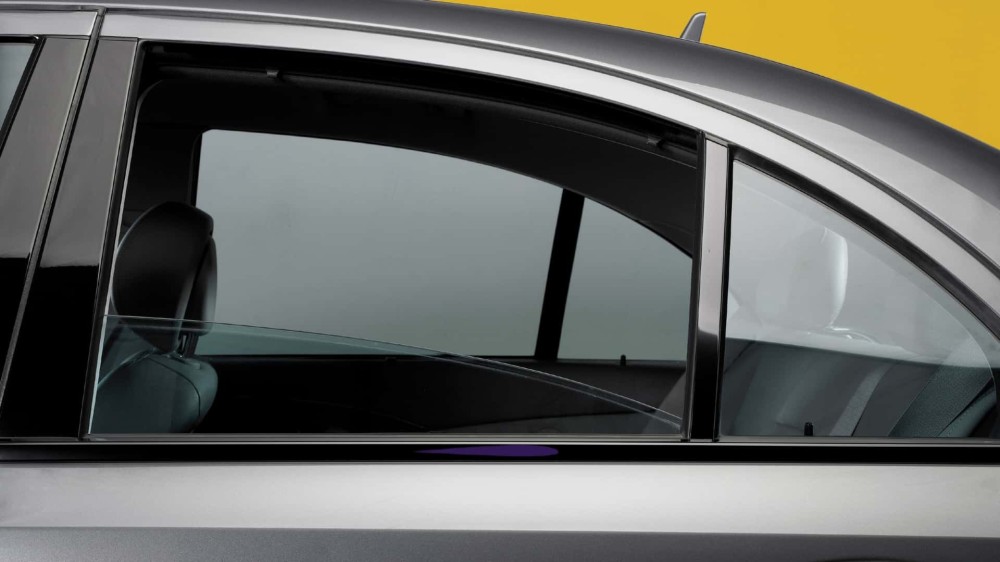
Another approach uses a fixed quarter window. Splitting the opening allows the movable section to become narrower and more rectangular, giving it a better chance of fitting inside the door. The small fixed pane may appear decorative, but it frequently solves a packaging problem.
Some windows travel along a slightly angled or curved path. Other doors are shaped so generously that the glass can descend completely despite the wheel arch. This explains why rear windows lower fully in certain sedans and SUVs but stop halfway in another vehicle of similar size.
Manufacturers are working around geometry rather than following a universal child-safety rule. Official owner guidance for several Renault and Dacia models even states plainly that the rear windows do not open fully.
A door is already crowded before the glass arrives
The wheel arch takes the blame most often, but the inside of a door contains far more than empty air.
A window regulator, motor, wiring harness, latch mechanism, lock cables and weather seals all need room. Many doors also contain speakers and side-impact reinforcement. Water must be able to drain from the bottom after passing the outer window seal.
Every component competes for space while the door itself is expected to remain thin, light and attractive.
The glass brings its own complications. It cannot simply be cut into any convenient shape. Its upper edge must follow the roofline, while its forward and rear edges need to move through guides without tilting or binding. A dramatically curved piece may look elegant when closed but become difficult to store inside a shallow door.
Designers therefore make compromises. A slightly smaller opening may be preferable to an oversized door, awkward exterior proportions or a complicated regulator that adds weight and cost.
The resulting limitation can feel more noticeable in the rear seat, particularly on a hot day when the remaining glass sits at exactly the height where someone would like to rest an elbow. Mechanically, however, the system may be behaving precisely as intended.
How to tell normal travel from a window problem
A deliberately limited window usually behaves consistently.
It should descend smoothly, stop at the same position each time and sit level within the frame. The window on the opposite rear door will generally stop at a matching height. The owner’s manual may confirm that the windows do not open completely.
A fault tends to produce a different set of clues.
If one window stops much higher than the other, moves slowly or sits crooked, the regulator or its guides may be worn or damaged. Clicking, grinding and cable-like scraping noises are also suspicious. Glass that drops into the door or can be lifted by hand may have separated from the regulator.
Dirty or damaged channels can increase resistance. A weak motor may move normally at first and slow as the glass descends. Some window systems also include thermal protection, which temporarily stops operation after the switch has been used repeatedly. In that situation, the window may begin working again after the motor has cooled.
A window that recently lost its automatic function following battery disconnection presents another possibility. Certain cars must relearn the glass’s upper and lower positions before one-touch movement and anti-pinch protection work correctly. The required initialization procedure varies by model.
Removing a door panel without instructions can create additional problems. Hidden fasteners break easily, side airbags may be nearby and the glass can fall once its mounting points are released. Lubricating the wrong surfaces with heavy grease may also attract dirt and make the channels worse.
Before arranging a repair, compare both rear windows and consult the manual. If they stop evenly and quietly at the same height, the car has probably been designed that way. If one side has developed its own interpretation of the journey, inspection makes sense.
The answer to why don’t rear windows roll all the way down is usually rather ordinary: the glass is taller than the space available beneath it.
The window is willing. The wheel arch refuses to move.