
Toyota Made the iQ So Short That It Developed an Airbag for the Rear Window
by AutoExpert | 27 October, 2026
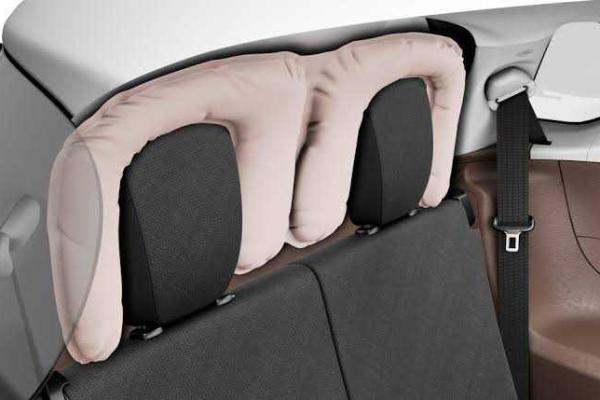
The Toyota iQ’s rear-window curtain airbag deployed from the roof lining above the back glass. Developed to help protect rear passengers’ heads in a rear-end collision, it addressed an obvious challenge in the tiny four-seater: there was very little car behind the back seats.
Walk around a Toyota iQ and the rear seats seem almost optimistic. The car ends so abruptly that fitting passengers behind the driver looks like the sort of decision that would provoke a difficult meeting between the designers and safety engineers.
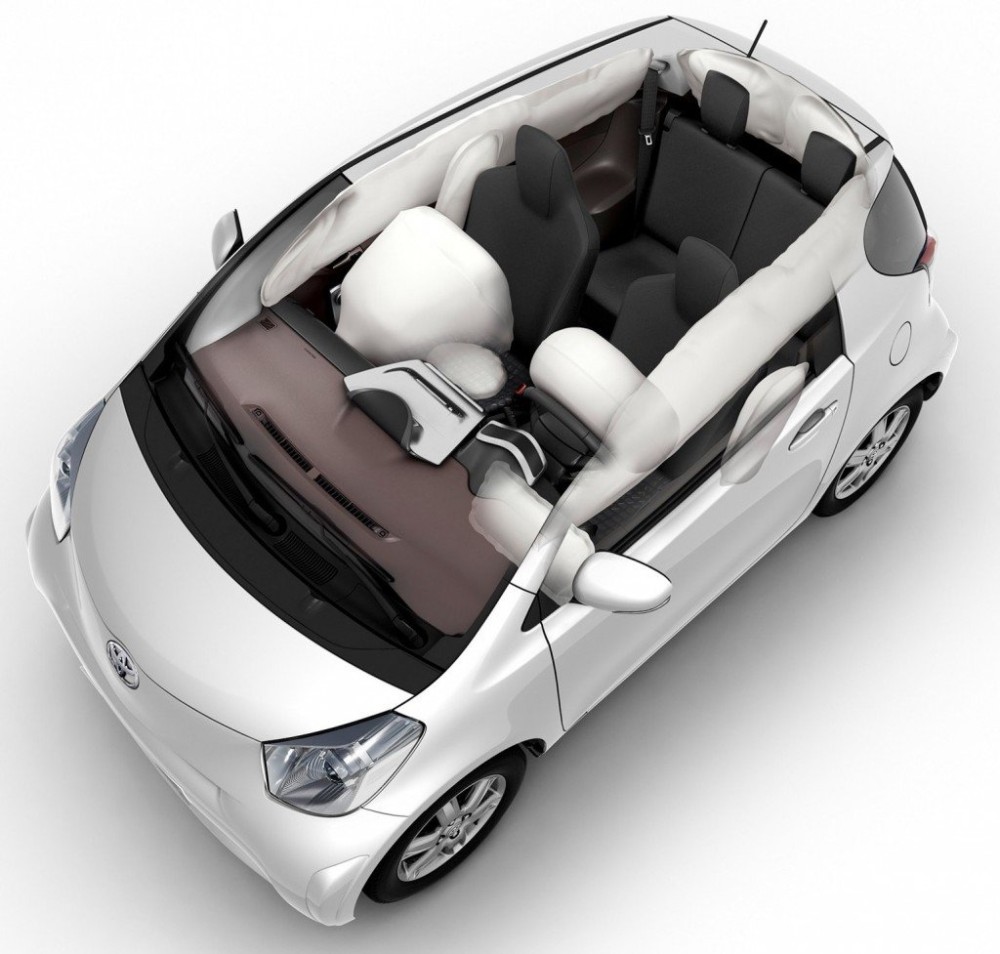
Toyota took the problem seriously enough to develop an unusual airbag.
Announced on September 30, 2008, the rear-window curtain shield airbag dropped from above the rear glass, forming a barrier behind the occupants. It worked with the head restraints to help reduce impacts to their heads from an approaching vehicle or parts of the iQ itself during a rear-end collision. Toyota described it as a world first, based on its research at the time.
That location distinguished it from the side curtain airbags drivers were becoming familiar with. Those generally run beside the occupants, along the side windows. This one occupied the space behind them.
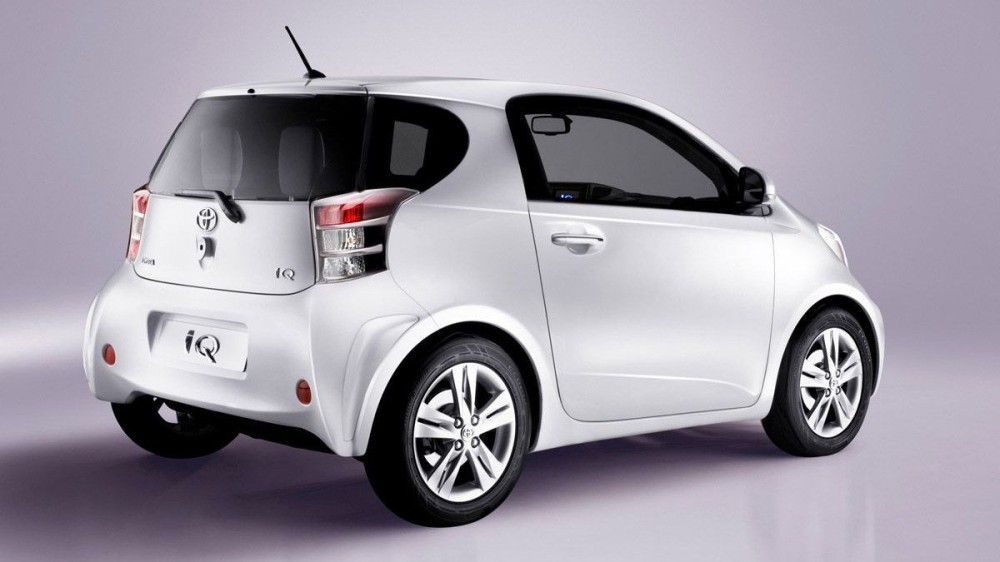
The reason becomes clearer when the rear hatch is open. In a larger hatchback, luggage space usually separates the back seats from the rear window. The iQ had much less room to work with. Toyota’s launch material explicitly connected the airbag to that small gap between the glass and the passengers’ heads.
The feature also puts the iQ’s size into perspective. Making a car short is straightforward if almost everything inside can be removed. Keeping rear seats, accommodating people and finding room for protection turns the exercise into something much more demanding.
An airbag cannot create the physical distance of a longer vehicle, and it should never be treated as a substitute for the rest of the car’s crash structure. Here, it was one carefully positioned addition to the protection surrounding the rear occupants.
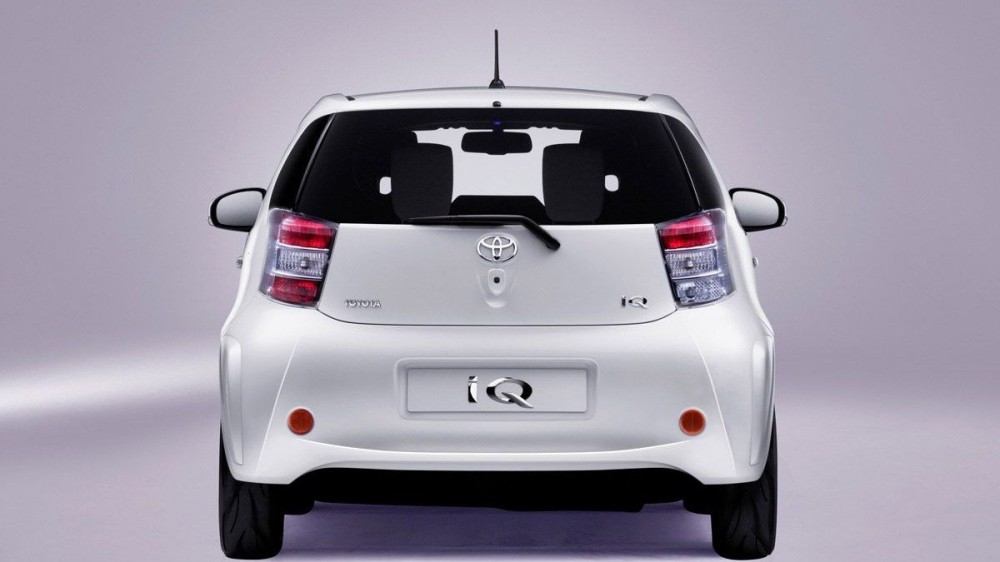
It is an easy detail to miss in an old advertisement or a used-car listing. The iQ looks unusual enough from the outside to command most of the attention. Yet some of its most interesting engineering was hidden in the roof lining, just above the window where the car appeared to run out of space.