
Suzuki’s Next Decade Will Include EVs, Hybrids And New Gas Engines
by AutoExpert | 30 September, 2026
Suzuki isn’t betting everything on electric cars. Its plan for the next decade is a bit more complicated, with EVs, hybrids, and gasoline engines all staying in the mix. The company is also working on ways to make its cars lighter and get new models to market faster.
Among the projects are a new turbocharged gasoline engine, a new mild-hybrid system, and a series-hybrid setup that will eventually lead to Suzuki’s first light range-extender system.
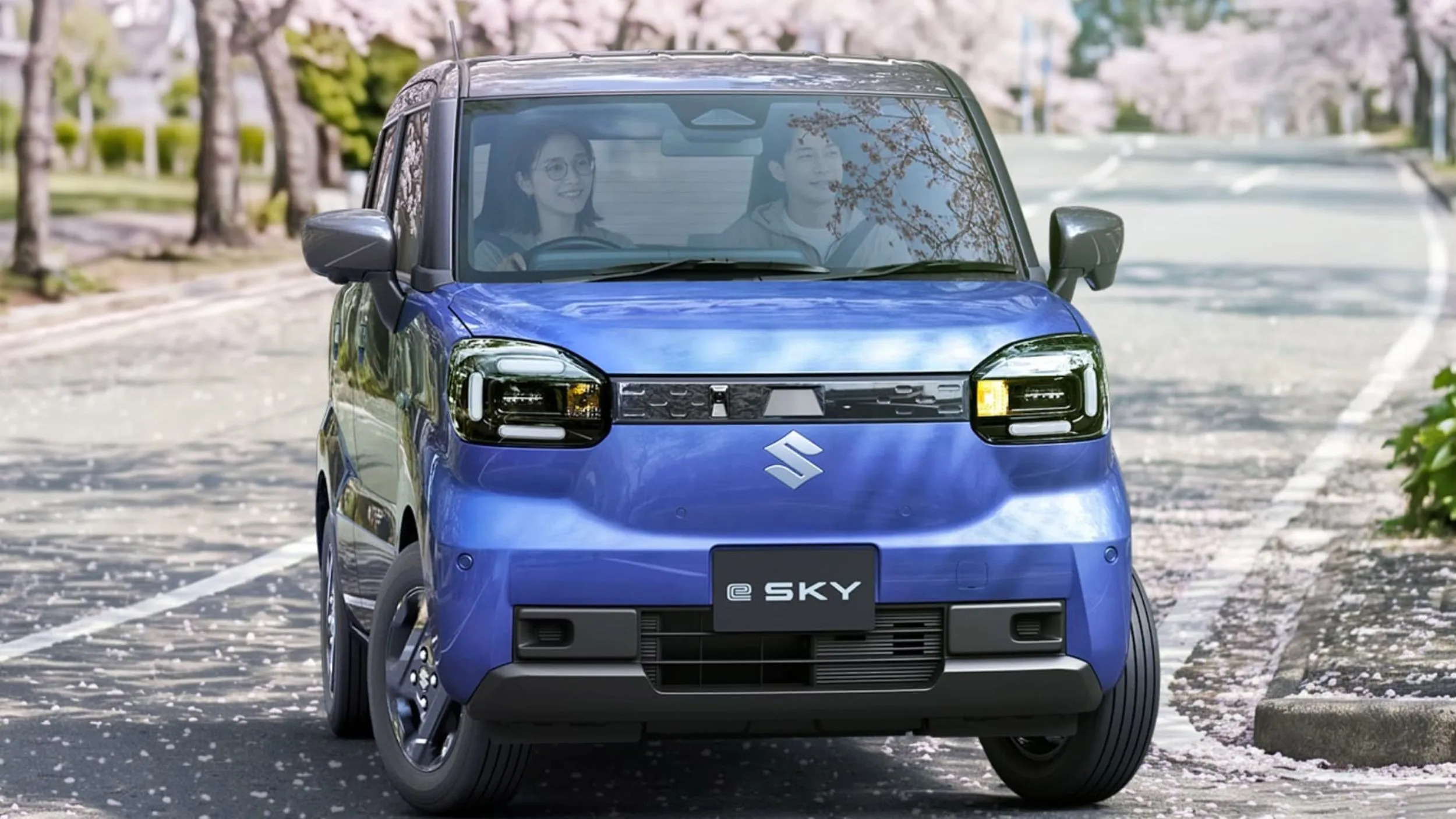
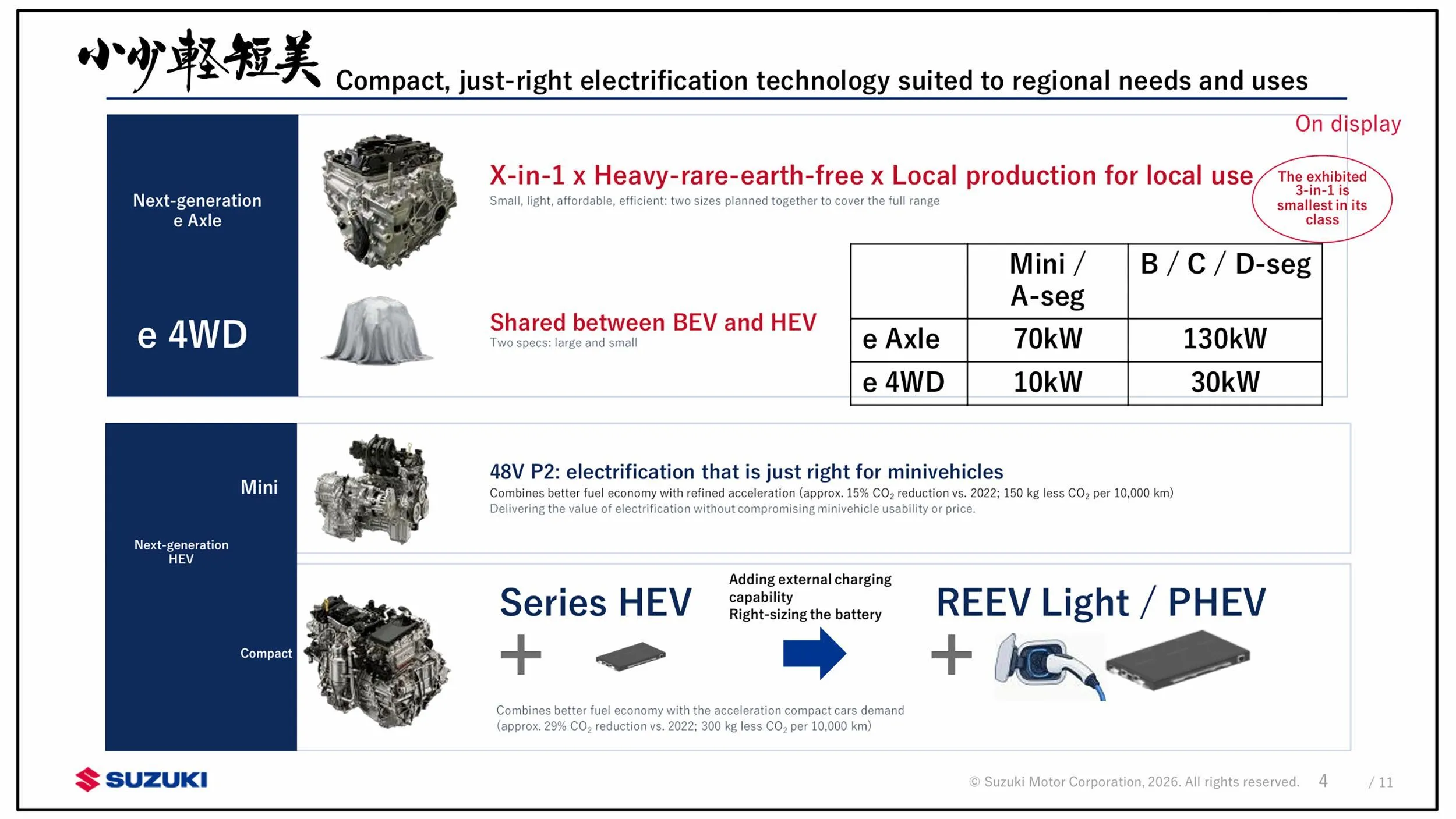
The company is also trying to make its electric hardware do more work. The 3-in-1 e-Axle used in the electric e Sky kei car will evolve into a 6-in-1 unit without getting any bigger. Suzuki plans to use the same basic hardware across EVs and hybrids. A version that is about 10% larger will also be available for subcompact, compact, and midsize models.
The e Sky gets a 94-hp front motor, while 4WD versions add a small 13-hp motor at the rear. Larger models will use a 174-hp main motor, with an optional 40-hp rear motor.
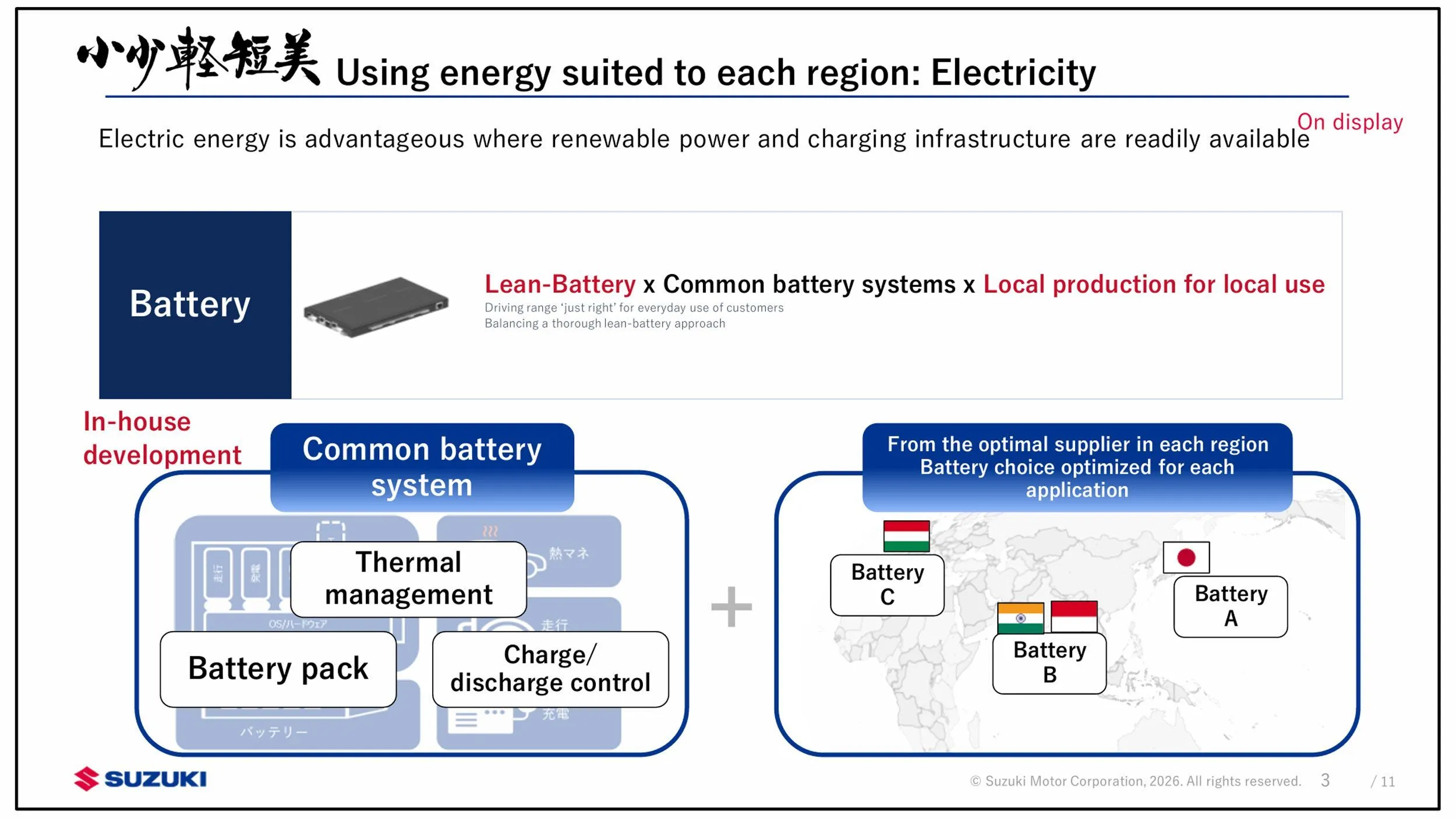
Hybrids are getting plenty of attention too. Suzuki’s new Series HEV uses the gasoline engine as a generator, while the electric motor handles the actual driving. The company says this setup could later become a plug-in range extender called “REEV Light.” The idea is to use a smaller battery instead of carrying a huge pack around. Suzuki expects the new mild hybrid to cut CO₂ emissions by 15%, while the Series HEV could deliver a 29% reduction.
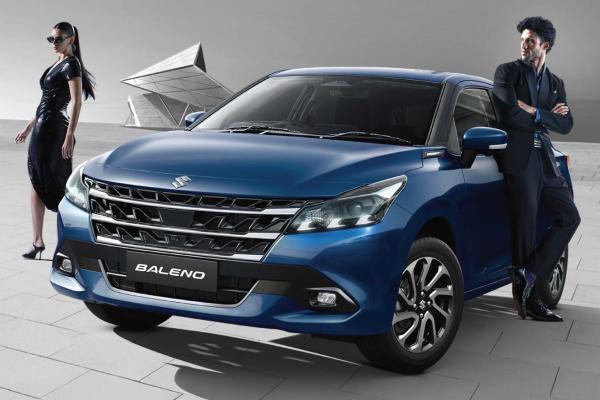
According to Autocar India, the Baleno and Fronx are expected to be among the first Suzuki models to use the new system.
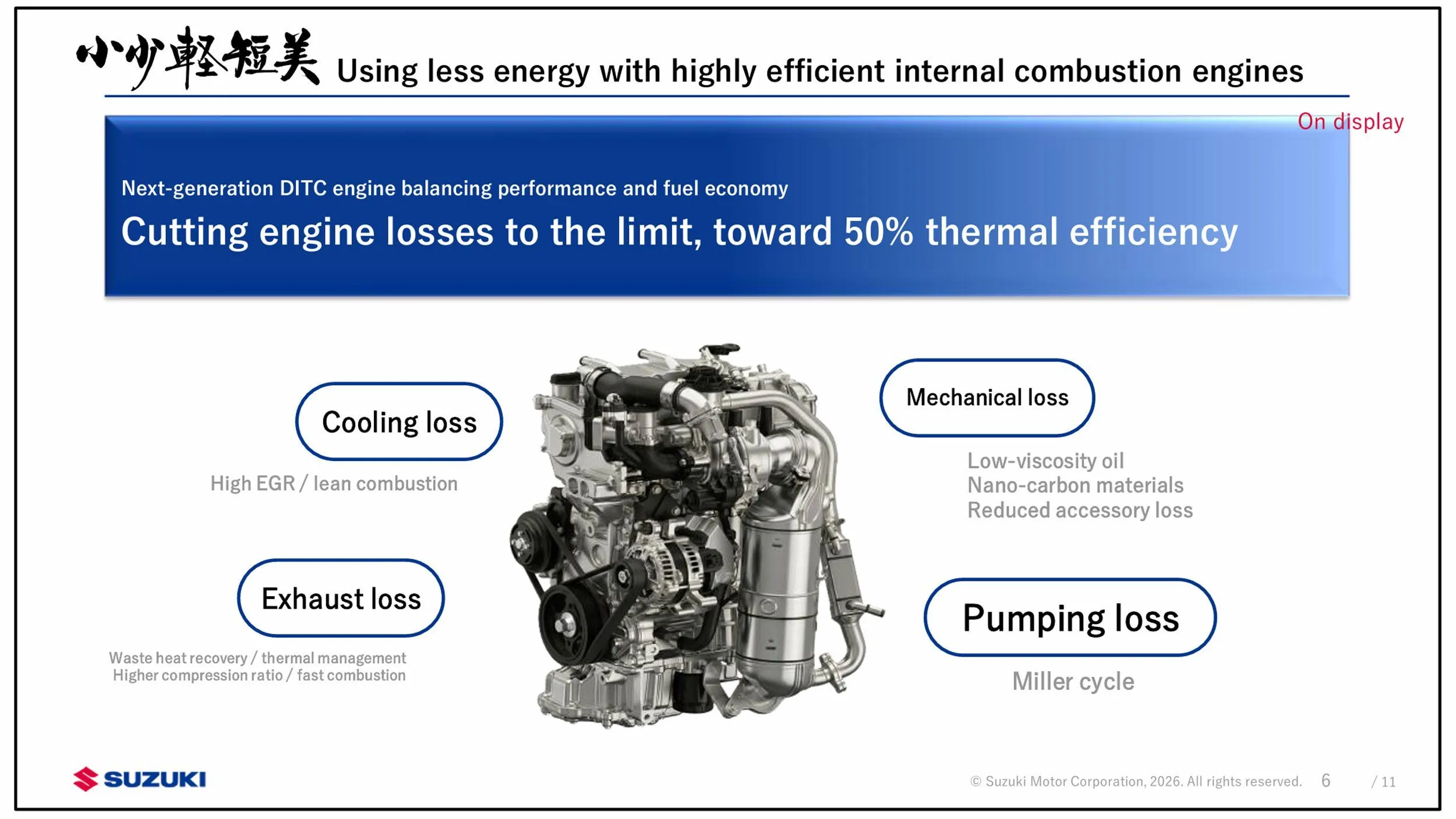
And yes, Suzuki is still working on gasoline engines. A new direct-injection turbocharged unit is being developed for markets such as India, with a CNG version also on the cards. Suzuki wants to push thermal efficiency from around 40% in its current 1.2-liter Z12E three-cylinder to 50% in future engines. That will involve things like lean combustion, waste-heat recovery, lower-viscosity lubricants, and an improved Miller cycle.
Then there’s weight. Suzuki expects future safety and emissions rules to add around 80 kg (176 lbs) to its cars. Instead of simply accepting that extra weight, the company wants to remove 100-120 kg (220-265 lbs) elsewhere. Its “S Light” program even looks at tiny details, including lighter M8 bolt heads. The company is also developing a simpler electronic architecture called “SDV Lite.” From 2031, a new Central Zone ECU should reduce electronic costs by 30% and module weight by 15%.
Suzuki also wants to move much faster. The company aims to cut vehicle development time in half, reaching 24 months by 2030. More digital tools and modular parts should help it get there. Production efficiency at its Manesar plant in India is also expected to improve, while annual capacity could reach 4 million vehicles by 2030. In other words, Suzuki’s future isn’t about picking one technology and sticking with it. It wants lighter cars, simpler hardware, and several different ways to power them.