

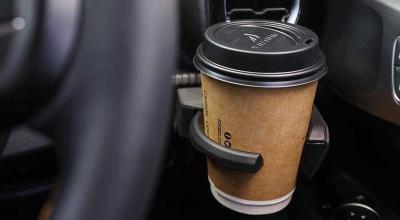
A classic car could provide a cigarette lighter within easy reach of the driver, another for the front passenger and sometimes individual ashtrays for the people in the back. Yet bring a cup of coffee
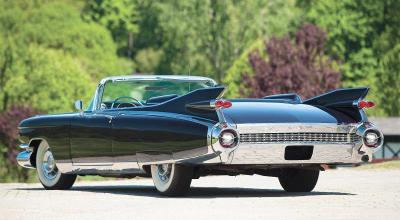
Nothing about the rear of a 1959 Cadillac suggests moderation. Its fins rise above the trunk like extravagant pieces of roadside architecture, edged in chrome and carrying two red taillights shaped li
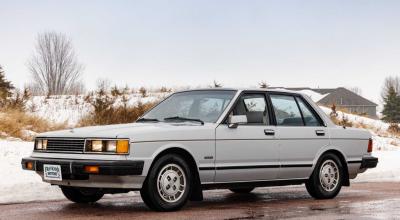
A new car speaking to its driver no longer feels remarkable. Navigation systems issue directions, safety assistants complain about lane markings and voice controls wait patiently for somebody to remem
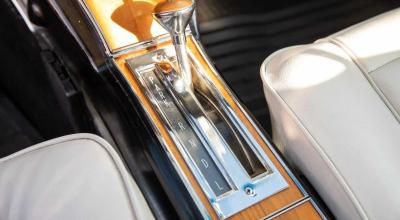
A driver can move between unfamiliar modern cars and still understand the transmission selector within seconds. Park sits at one end, followed by Reverse, Neutral and Drive. Lower ranges, manual modes
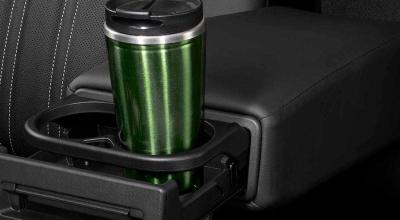
The automobile conquered continents, crossed deserts and survived two world wars before anyone decided it desperately needed a secure place for a paper cup. For much of automotive history, drivers
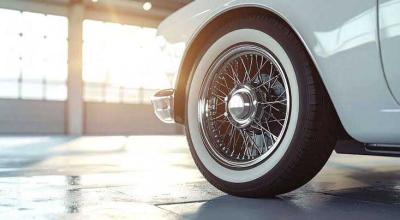
Whitewall tires have become visual shorthand for a particular kind of motoring glamour. Put them on a long Cadillac with chrome bumpers, tailfins and enough hood to host a family picnic, and the pi

Chrysler is not done yet, and Stellantis is starting to show it. There is real interest in bringing the brand back, and one idea points to a new sedan, or something close to it. However, do not exp

Carmakers seem to have a grudge against the traditional shift lever. Rotary dials, fancy knobs, crystal shift orbs (yeah, Genesis did that). Manufacturers keep trying to reinvent the familiar "PR

Window louvers are those slats you see covering the rear glass on classic muscle cars. They look aggressive as hell, but unlike hood scoops that actually feed air to the engine, louvers don't add

An opera window is that little fixed window you see on the side of older cars, usually sitting in the C-pillar behind the rear door. It's small, often oval or rectangular, and it doesn't open.