
Why Automakers Won’t Stop Messing With the PRNDL Shifter
by AutoExpert | 26 February, 2026
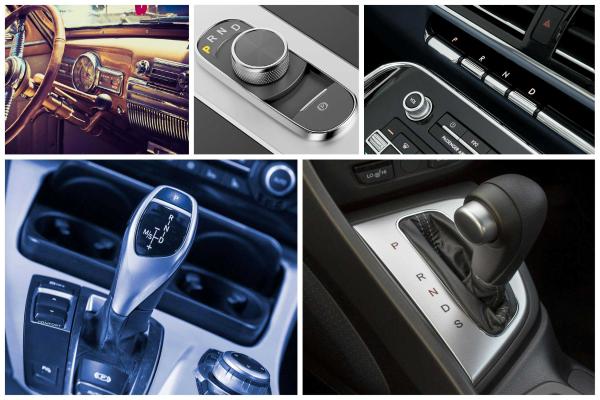
Carmakers seem to have a grudge against the traditional shift lever. Rotary dials, fancy knobs, crystal shift orbs (yeah, Genesis did that). Manufacturers keep trying to reinvent the familiar "PRNDL" automatic shift sequence and it's getting annoying. Most people are frustrated. What used to be muscle memory is now a two or three-step process.
This isn't new either. Before the NHTSA even existed, Chrysler, Mercury, Packard, and AMC all tried push-button gear selectors. The sequence was all over the place, totally inconsistent, until the "Standard Gear Quadrant (PRNDL) For Automotive Vehicles" rule kicked in for 1966. First for federal vehicles, later for everyone else. Manufacturers actually went back to levers years before that for business reasons even though the law didn't ban push-button selectors or require traditional levers. It just standardized the PRNDL sequence.
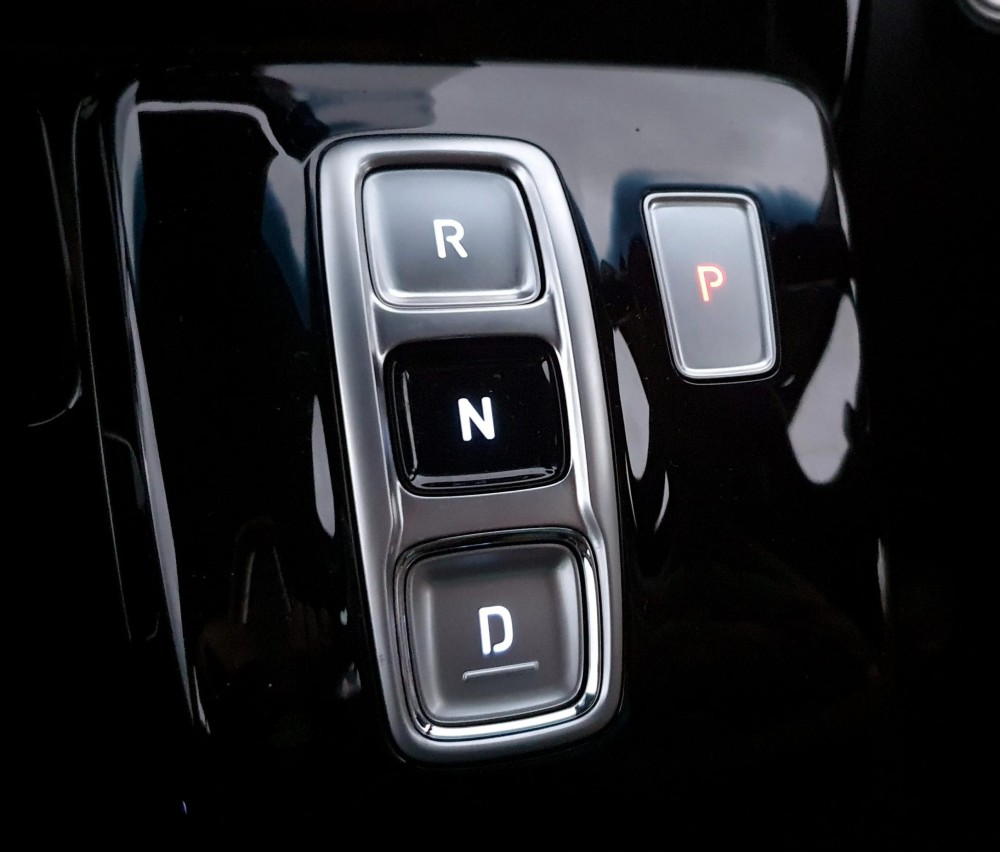
The NHTSA's modern version of the law, FMVSS 102, isn't radically different. Manufacturers can still make cars without a traditional shift lever as long as Neutral sits between Park and Drive plus a few other requirements. Nothing specifically bans these new-age shift designs. That's why "PRND" is still the standard in cars, just packaged in the weirdest ways imaginable.
Innovation or Safety Risk?
Some shifter designs are so confusing they require rewiring your brain. Nobody asked for gear selector reinvention. Consumer Reports even penalizes certain automakers for shifters that are confusing or hard to use. Unconventional shifter designs can be genuine safety hazards. One Consumer Reports test driver in a Rivian R1S had the vehicle shift into Reverse while trying to turn off adaptive cruise.
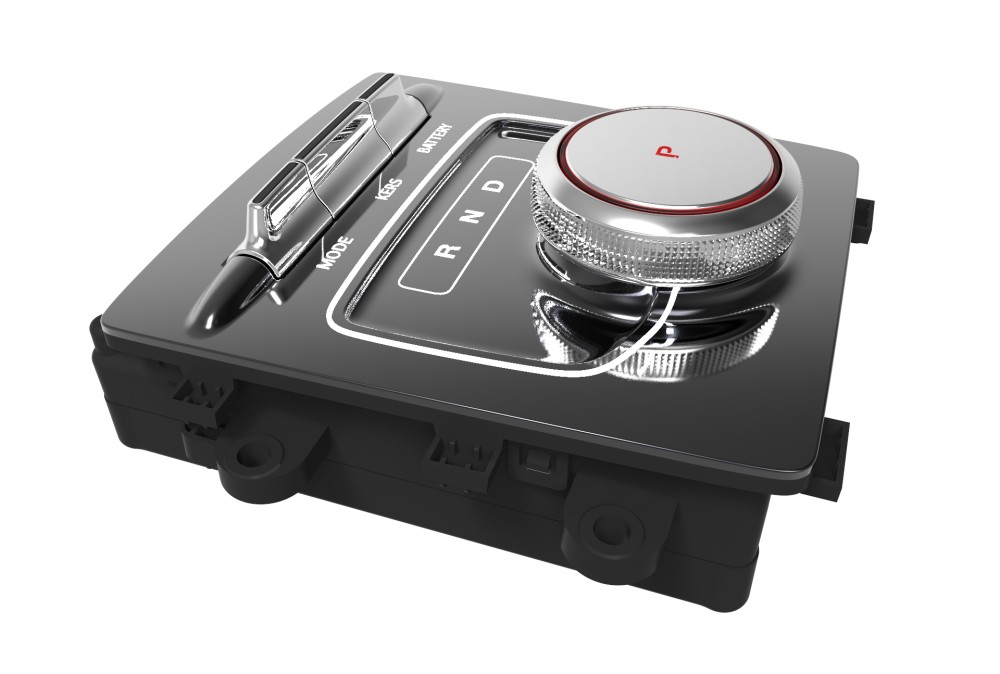
Sure, electronic shift-by-wire mechanisms like rotary shifters reduce complexity, weight, and space requirements. But implementing them through twist knobs, rotary dials, or touchscreens like modern Teslas is where drivers get frustrated. Surprisingly the NHTSA didn't find Tesla's touch-based gear shift controls violated any safety standards according to a statement to The Verge. The agency did get tons of complaints about certain Stellantis vehicles and their rotary shifters though. Closed the investigation citing lack of evidence.
These so-called innovations make it feel like history repeating itself. If the '50s and '60s are any guide, manufacturers might eventually just go back to traditional levers. Some car brands already acknowledged that cramming everything into a touchscreen isn't making life easier.