
What Opera Windows Are and Why 1970s Cars Loved Them
by AutoExpert | 2 February, 2026
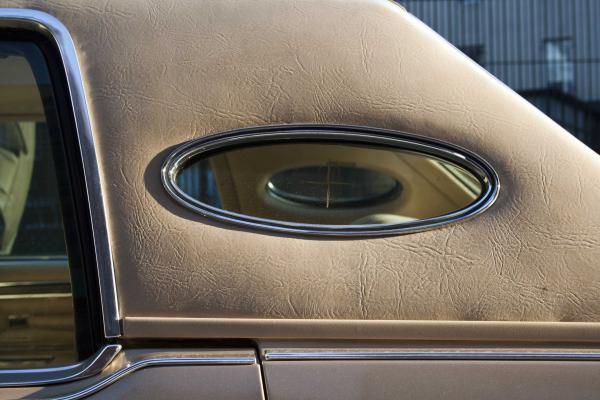
An opera window is that little fixed window you see on the side of older cars, usually sitting in the C-pillar behind the rear door. It's small, often oval or rectangular, and it doesn't open. Purely a style thing.
The name comes from fancy horse-drawn carriages and early cars from the 1900s that rich people used to get to the opera. These vehicles had small windows so passengers could peek outside without being seen. Very classy, very private.
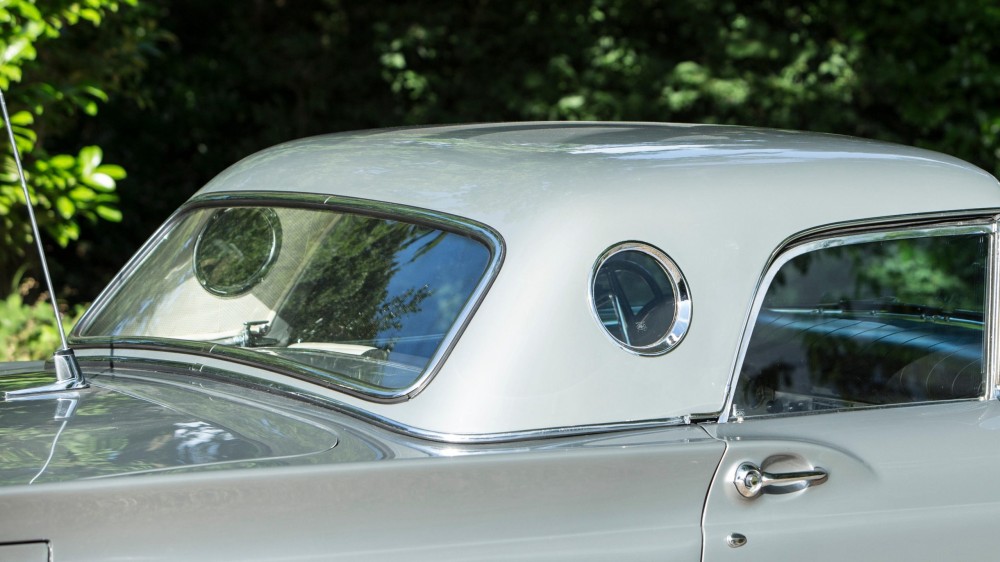
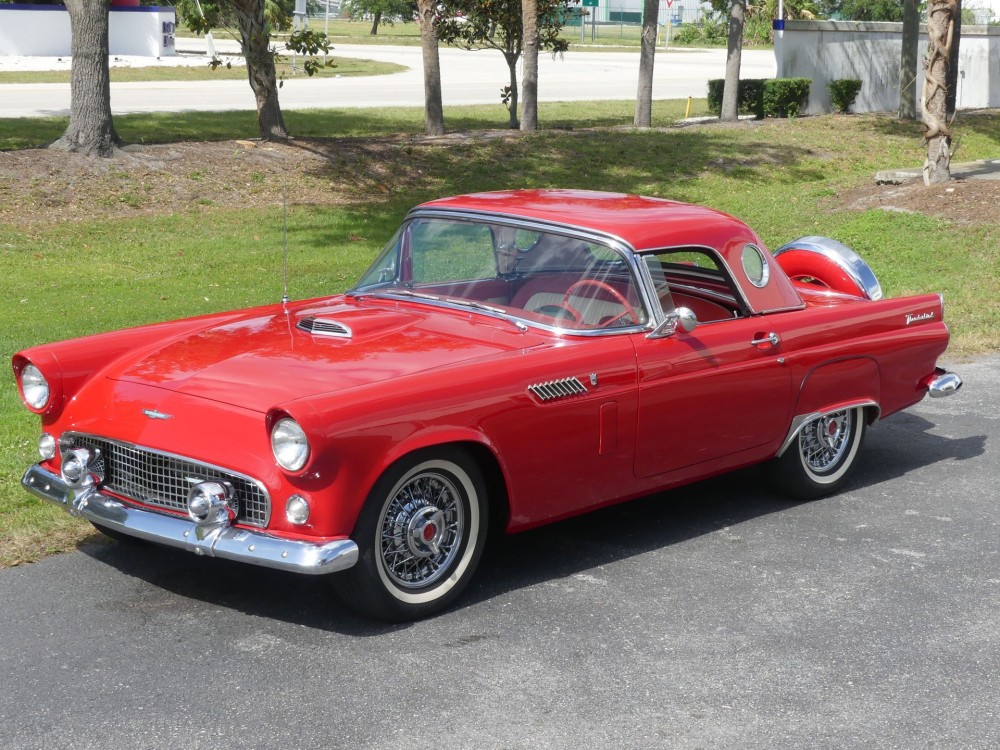
The feature showed up in modern cars after World War II. The 1956 Ford Thunderbird had circular ones to help drivers see better when the hardtop was on. But opera windows really exploded in the 1970s.
The '70s Made Them Huge
During the '70s, opera windows were absolutely everywhere on American luxury coupes and sedans. Usually paired with vinyl roofs, they were supposed to make cars look sophisticated and give rear passengers some privacy.
Think of cars like the 1973 Chevy Monte Carlo with its rectangular opera windows, or the 1976 Lincoln Continental Mark IV with fancy oval ones. Some cars like the '76 Dodge Charger even had three-part versions with little coach lamps for extra flair.
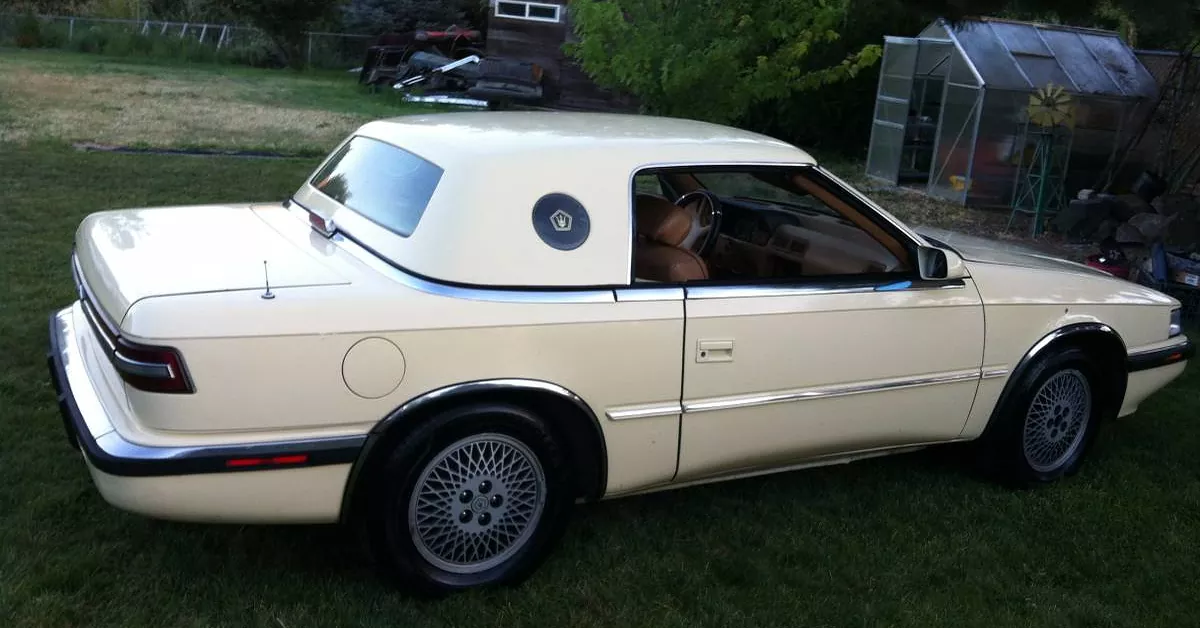
By the late '70s and early '80s, pretty much every mid-size coupe had them. The look got old fast. People started to see them as tacky instead of classy, and the trend died out. They popped up here and there after that - the '89 Chrysler TC by Maserati had them - but mostly they were done.
Why They Actually Existed
Opera windows weren't totally useless. On pillarless hardtops, they actually helped with blind spots by giving drivers another angle to see out of. The thick C-pillars on those cars blocked a lot of the view, so the little windows helped.
They also let some natural light into the back seat, which was nice. And since they were fixed glass bonded to the frame, they added a bit of structural strength to the roof.
But let's be honest - it was mostly about looks. Carmakers used them to make fancier trim levels stand out. Slap some opera windows and a vinyl roof on a car, and suddenly it looked way more expensive. GM especially loved this trick, putting them on Cadillacs first to make them seem extra luxurious, then rolling them out to cheaper models like the Monte Carlo to give them that "little Cadillac" vibe.
In the '70s, when gas was expensive and the economy sucked, people still wanted to feel rich. Opera windows and padded vinyl roofs were an affordable way to get that fancy look without buying an actual luxury car.
The Classics
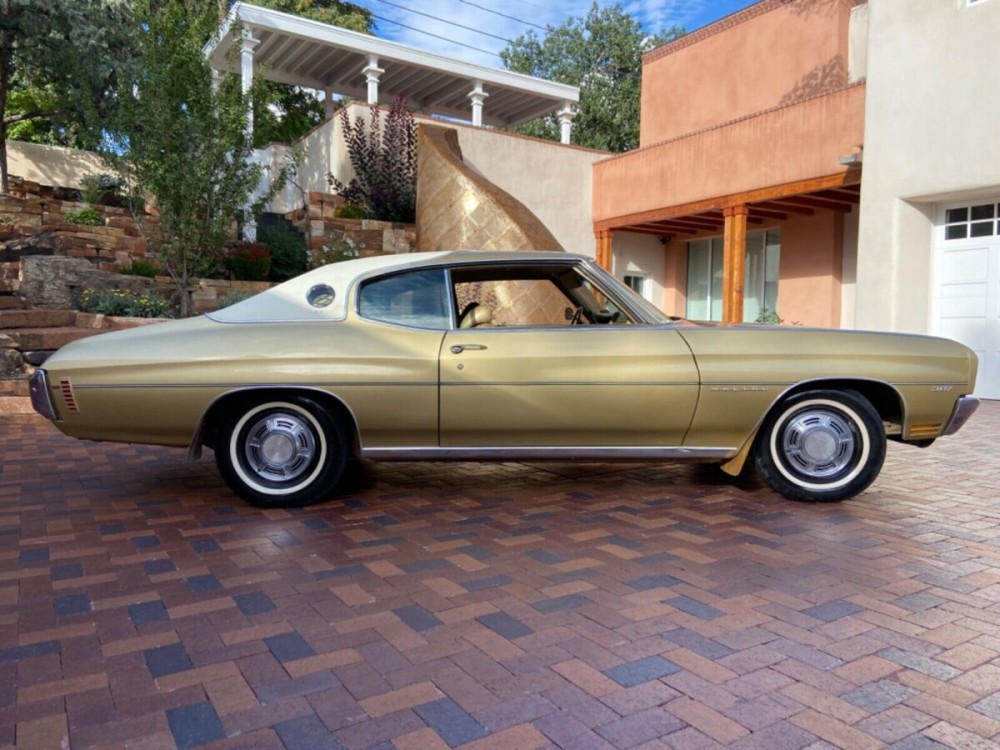
The 1973-76 Chevy Monte Carlo basically defined the opera window era. Those oval windows on the C-pillars were standard, usually with a vinyl Landau roof. The car sold like crazy - over 280,000 in 1974 alone.
Lincoln's 1977-79 Mark V had opera windows too, sometimes etched with designer signatures on special editions like the Bill Blass version. Very over the top.
The 1974-78 Cadillac Eldorado had long rectangular opera windows that fit perfectly with its massive, boat-like design. They were standard on every model.
Other big names included the Ford Thunderbird with its weird dual-opera-window setup in the late '70s, and the Chrysler Cordoba with small fixed windows behind the doors. The Cordoba sold over 150,000 units in its first year, partially thanks to that classic luxury look.
By the mid-'80s, cars got more aerodynamic and fuel-efficient. The boxy, formal coupes with opera windows didn't fit anymore. The feature went from status symbol to embarrassing relic pretty quick. Today they're just a nostalgic reminder of when American cars were big, thirsty, and covered in vinyl.