

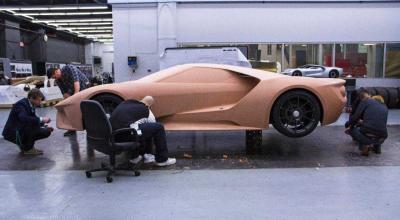
Inside a modern automotive design studio, there are enormous screens, virtual-reality headsets, laser scanners, 3D printers and computers capable of rendering a car so convincingly that its paint appe
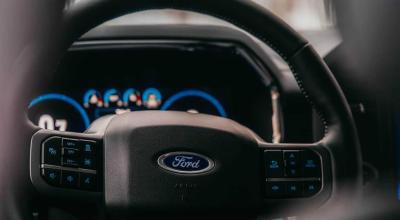
Drivers spend hours holding the steering wheel without giving much thought to what lies behind it. Remove the trim, switches and wiring, and the basic arrangement appears simple. A shaft carries th
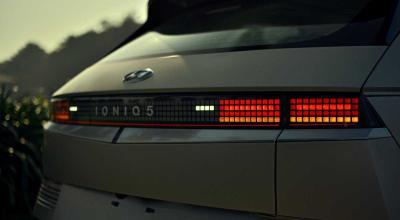
In a conventional car, the relationship between the brake pedal and the brake lights feels reassuringly simple. Press the pedal and the red lamps illuminate. Release it and they go dark. Drivers be
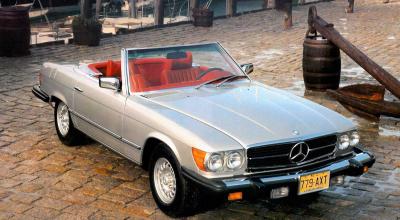
Look at an American car from 1971, then find the same model from 1974. The earlier car may have a slim chrome blade tucked neatly against its body. Three years later, the bumper appears to have lef
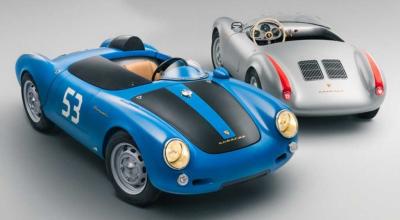
Porsche’s electric Boxster is still waiting in the wings, but there’s already a brand-new electric Porsche sports car you can buy for less than $100,000. There’s just one small probl
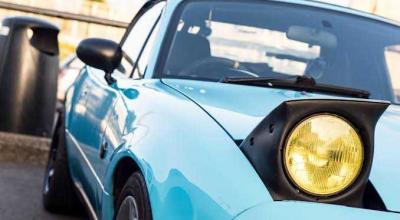
Few automotive features can make a parked car look as alive as pop-up headlights. Turn the switch and two neat sections of bodywork rise from the hood, pause with theatrical precision and reveal the l
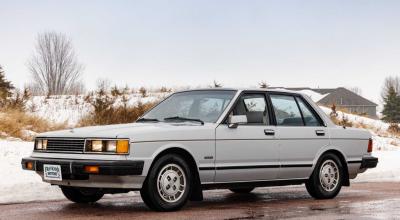
A new car speaking to its driver no longer feels remarkable. Navigation systems issue directions, safety assistants complain about lane markings and voice controls wait patiently for somebody to remem
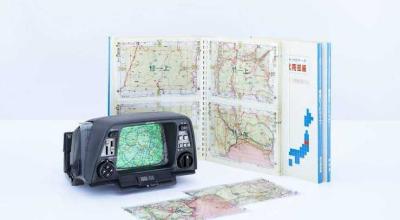
There was a time when getting lost required some commitment. A driver would unfold a road map across the steering wheel, locate two towns that appeared to be printed directly on top of one another, th
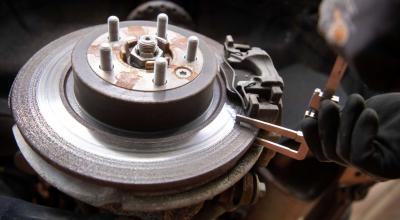
The usual explanation sounds perfectly logical. When a car slows down, its weight moves toward the front. The front tires carry more load, so the front brakes provide more of the stopping force. That
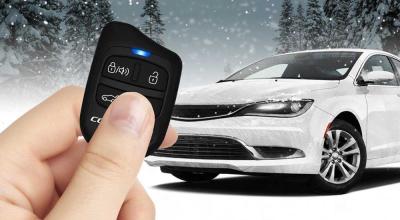
Starting a modern car requires so little effort that the action barely registers. Turn a key, press a button or let the vehicle recognize that its driver has climbed aboard. A second later, the engine