

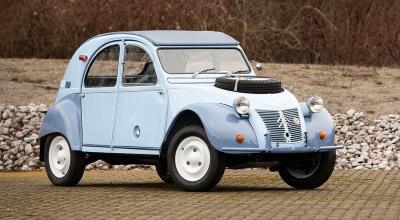
Open the boot of most small cars from the 1960s and you would expect shopping, a spare wheel or perhaps a toolbox. In a Citroën 2CV Sahara, the engine would be taking up much of that space. The o
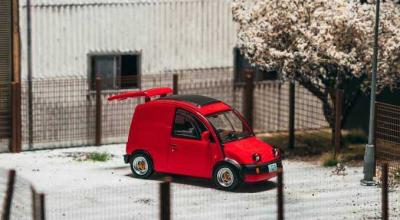
A delivery van usually gets noticed because it is blocking something. Nissan found another way: give it a face, a rounded shell and the proportions of a snail that has somewhere to be. The S-Cargo
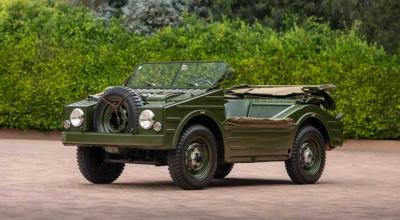
A Porsche with oars sounds like something its owner bought after an unfortunate encounter with a flooded road. In the 1950s, however, Porsche was developing a vehicle for which getting into the water
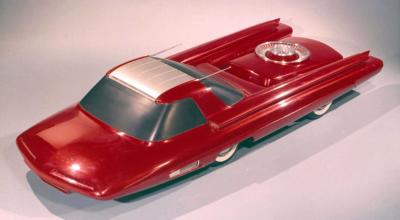
The Ford Nucleon looks as though someone moved the passengers forward to make room for a very important piece of luggage. Its cabin sits near the nose, leaving an enormous rear section between the fin
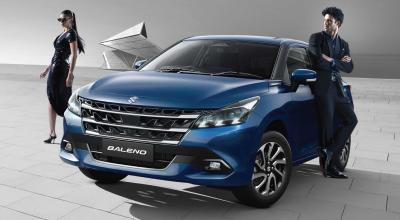
Suzuki isn’t betting everything on electric cars. Its plan for the next decade is a bit more complicated, with EVs, hybrids, and gasoline engines all staying in the mix. The company is also work
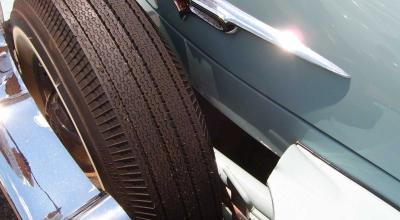
There is a point in parallel parking when a space stops looking like a space and starts looking like a judgment of your driving. The front of the car is almost where it belongs. The rear is still out
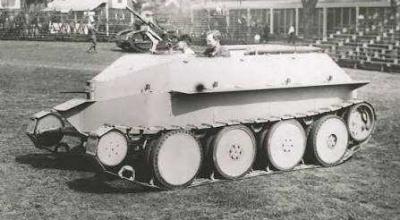
Before tanks had tracks, someone had to imagine that an engine, armor and heavy weapons might belong on the same vehicle. Frederick Richard Simms did more than imagine it. At the end of the 19th ce
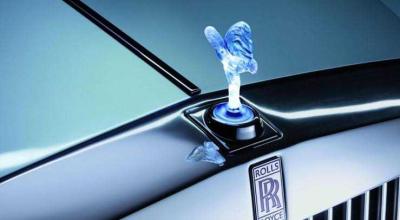
Long before carmakers filled dashboards with screens, an important piece of engine information was displayed outside the windshield. Early automobiles often carried their radiator filler caps at
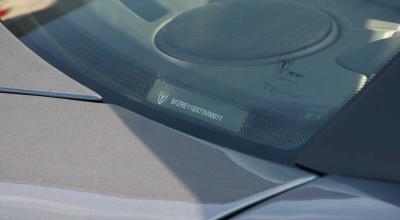
A vehicle identification number has the charm of a password printed by a malfunctioning office computer. It is long, awkward to recite and generally ignored until an insurer, parts supplier or registr
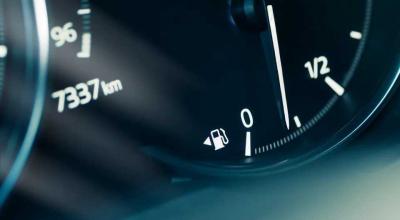
Pulling into a gas station should not require advance planning. Yet anyone driving an unfamiliar car knows the little moment of uncertainty that arrives before choosing a pump. Which side is the fu