Porsche Built a Military 4×4 That Could Float, Then Lost the Army Contract
by AutoExpert | 7 October, 2026
A Porsche with oars sounds like something its owner bought after an unfortunate encounter with a flooded road. In the 1950s, however, Porsche was developing a vehicle for which getting into the water was part of the plan.
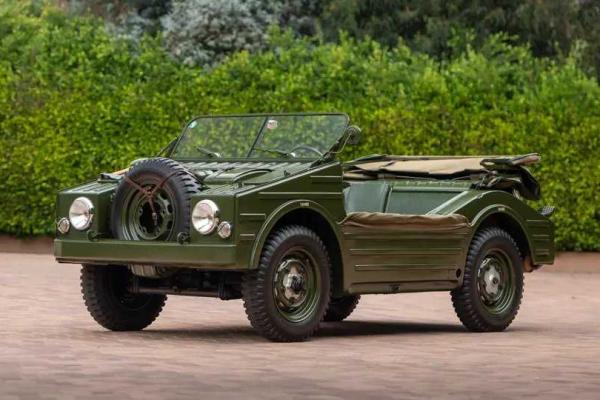
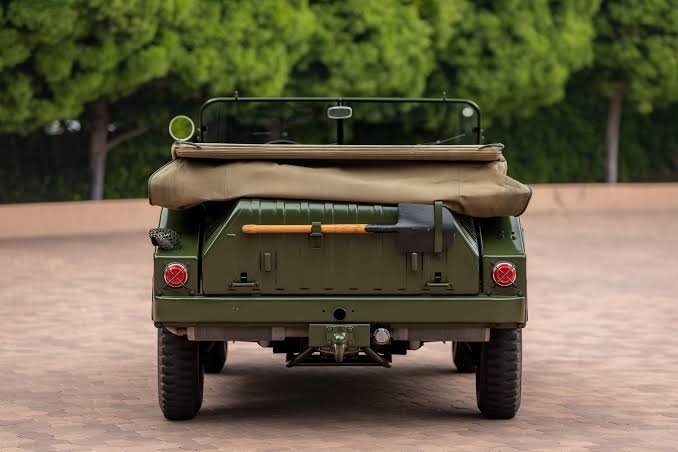
The 597 Jagdwagen had a squat body, upright seating and very little interest in looking glamorous. Early versions dispensed with doors, leaving passengers to climb over the sides. Beneath that unpromising shape sat a modified engine from the Porsche 356, along with hardware intended to carry soldiers across difficult terrain.
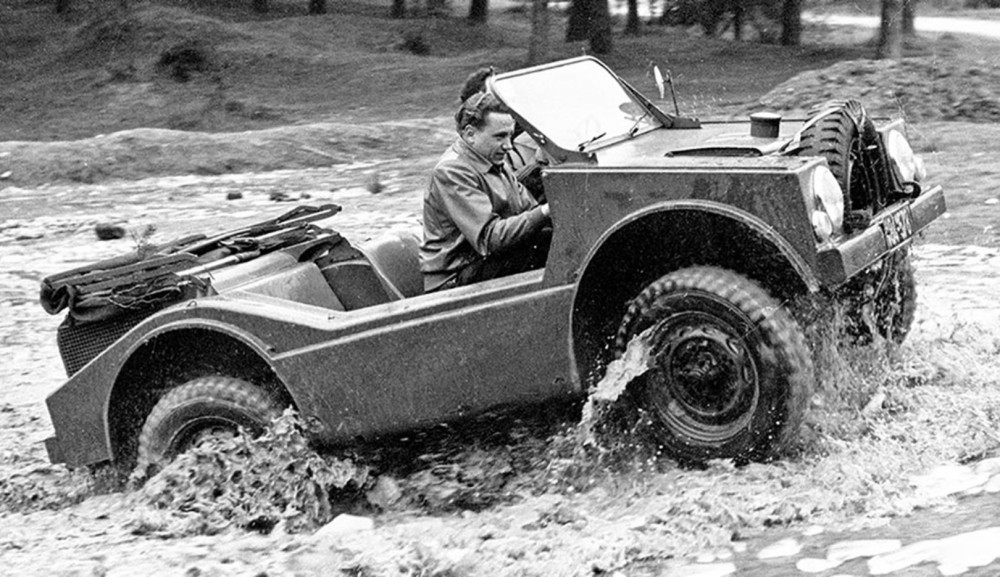
It was Porsche’s first vehicle to wear the company name and offer four-wheel drive. It could also float. Decades before the Cayenne gave the badge a permanent place on tall family vehicles, Porsche had tried to sell an off-roader to the military. The project began in response to a 1953 tender.
A sports-car engine went to work
The brief called for a light, agile vehicle that could carry a useful load, cope with rough ground and remain straightforward to maintain. Porsche entered alongside Auto Union and Goliath, a Borgward subsidiary.
Its rear-mounted flat-four made roughly 50 horsepower. That would struggle to impress anyone browsing modern Porsche specifications, but this was a relatively light machine with a different job to do. A four-speed gearbox, an additional off-road gear and selectable drive to the front wheels helped it put the available power to use.
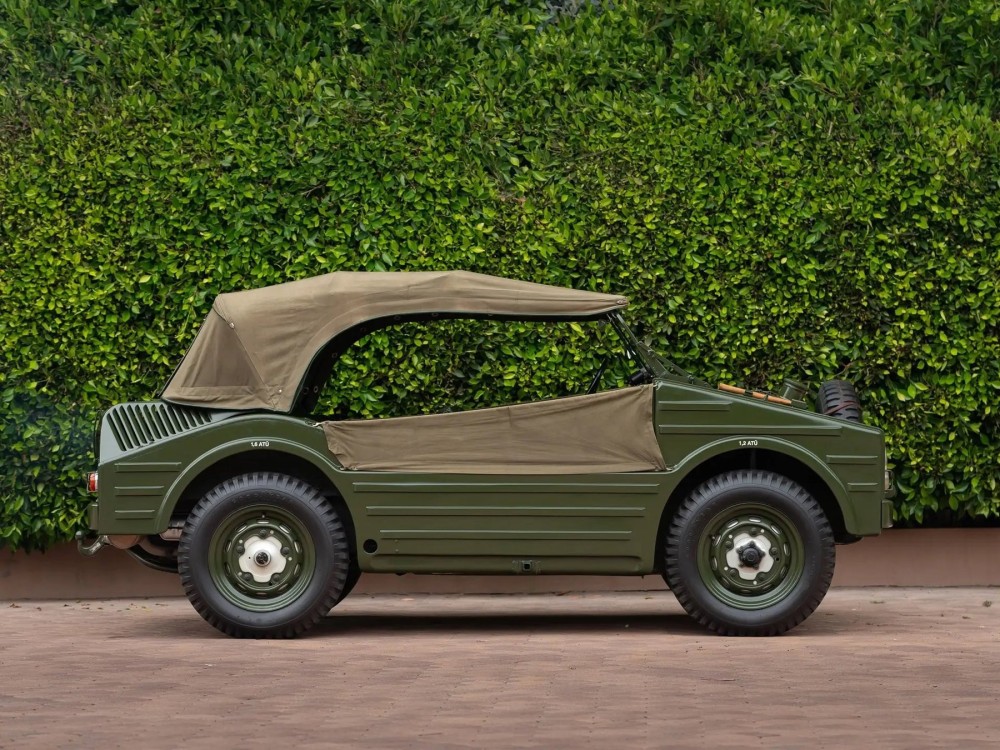
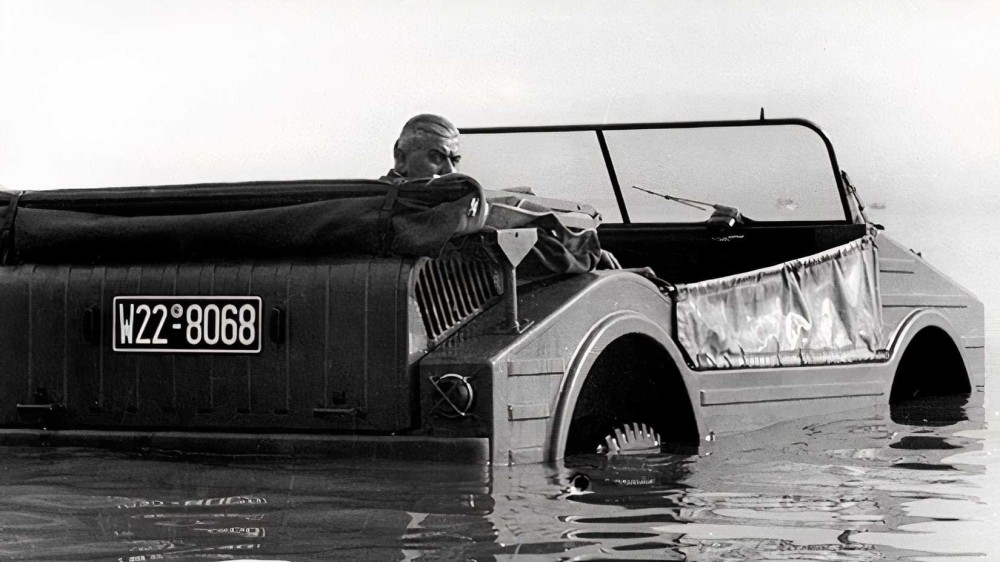
The more unusual engineering was in the body. Its steel monocoque doubled as a watertight hull, explaining those high sides and the missing doors on early examples. Some versions were equipped with a propeller and oars.
The oars are a lovely detail, but the hull is what makes the design worth examining. Plenty of off-road vehicles can wade through water while their tires remain on the bottom. The Jagdwagen was designed to stay afloat. Keeping openings out of the lower body therefore mattered rather more than making it easy to step inside.
The army chose somebody else
Prototypes appeared before government officials in 1955, and Porsche continued developing the vehicle. Later examples gained doors, giving the little machine a more conventional appearance.
Successful demonstrations did not secure the order. Porsche attributes the decision to financial considerations and labor-market policy, with the contract going to Auto Union. The company’s sports-car credentials and inventive body construction had not settled the military’s purchasing question.
There was a civilian pitch, too. Jagdwagen means “hunting car,” and Porsche marketed the vehicle toward hunters and outdoor users after losing the tender. Across the project, only 71 examples were built, including prototypes, before production ended in 1958.
That small total explains why the 597 is so easy to miss in the company’s history. It never became familiar roadside furniture, never established a long-running model line and never had the chance to make its peculiar shape ordinary.
Look at one beside a 356 and the family resemblance is difficult to find. Look underneath, and the connection becomes clearer. Porsche had taken familiar engine technology and given it a thoroughly unfamiliar assignment, right down to the possibility that the next obstacle might require paddling.