
A 1930s Inventor Added a Fifth Wheel to Make Parallel Parking Easier
by AutoExpert | 25 September, 2026
There is a point in parallel parking when a space stops looking like a space and starts looking like a judgment of your driving. The front of the car is almost where it belongs. The rear is still out in traffic. Another turn of the steering wheel might help, provided there is room for it.
Brooks Walker had a more direct idea: lift the back of the car and move it sideways.
In 1932, Walker filed a patent for a vehicle lifting and traversing device. Its central feature was an extra wheel tucked beneath the rear of the car. Lowered into contact with the road, it could raise the rear wheels and carry that end of the vehicle sideways. The patent was granted in 1935, decades before a parking camera could tell anyone how close they were to the kerb.
Imagine approaching a kerbside space in a long car from the 1930s. You get the front roughly into position, lower the extra wheel, move the rear end toward the kerb, then raise the device and drive away normally. It is the sort of manoeuvre that would make a pedestrian stop mid-stride.
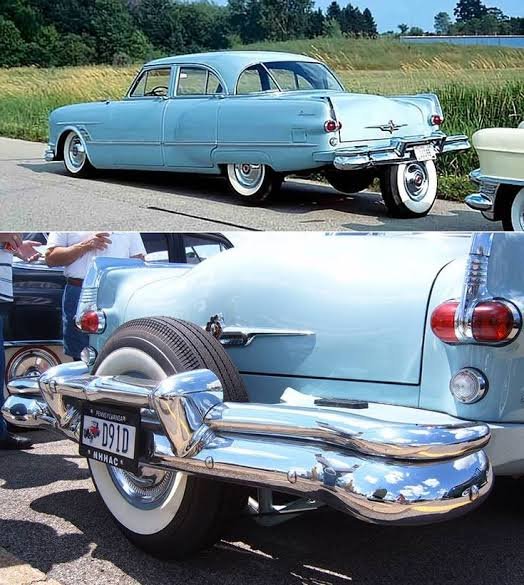
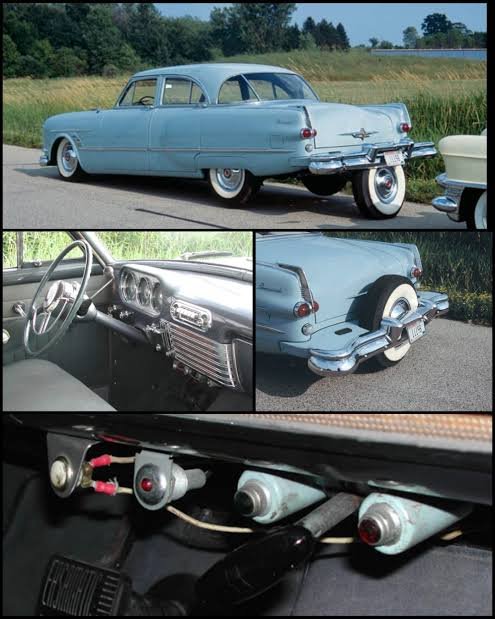
Walker called his invention the Park-Car, and he kept demonstrating it long after the patent was issued. The device appeared on several cars over the years, including a 1933 Packard, a 1951 Cadillac and a 1953 Packard Cavalier. Watching one of them move is still faintly startling. A car that ought to describe an arc suddenly behaves as though someone has picked up its rear bumper and shifted it across the road.
A clever answer to the wrong sort of difficulty
Ordinary steering gives a car a turning circle. However carefully you work the wheel, the rear tires follow a path dictated by the front wheels and the car’s wheelbase. Walker’s extra wheel briefly changed the geometry. With the rear tires off the ground, the driver could place the back of the car much more directly.
That made for a remarkable demonstration, especially in an era of broad bumpers, long bonnets and little help seeing exactly where a car ended. It also meant carrying an additional mechanical system on every journey for a task most drivers perform only at the beginning and end of one.
The arrangement needed room beneath the vehicle, a way to lower and raise the wheel, and a way to move the car while its normal rear tires were lifted. Those demands help explain why the idea may have been difficult to sell as everyday equipment. Walker tried for years, but the major automakers did not put his Park-Car into mass production.
It is tempting to call it an early self-parking car. The distinction matters. A driver still chose the space, positioned the vehicle and operated the mechanism. What Walker supplied was a new direction of movement, one unavailable to an ordinary four-wheeled car.
Modern parking assistance tackles the same anxious few feet from another angle. Sensors, cameras and automated steering help a driver judge and follow the space available. Walker’s machine made the car capable of a manoeuvre that steering alone could never manage.
For anyone who has had to pull forward, reverse, straighten up and try once more while a patient queue forms behind them, the appeal of that fifth wheel is easy to understand. Its greatest trick was making the hardest part of parking look effortless.