

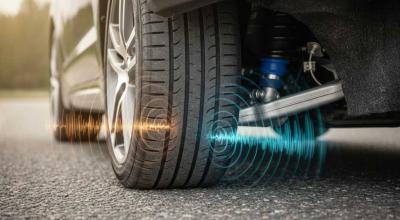
Electric cars have developed a sound of their own. Not the familiar chug of an engine or the rising growl of an exhaust, but a smooth, slightly eerie hum that seems better suited to a spacecraft glidi
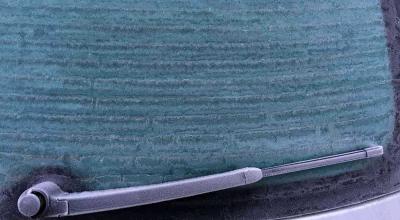
On a cold morning, the rear window begins clearing as expected. Most of the condensation disappears, but one neat horizontal stripe refuses to move. That stripe is useful evidence. The window has p
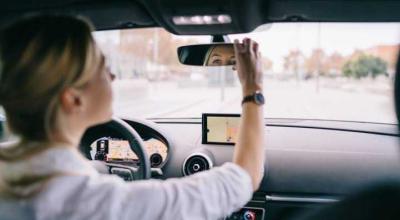
So, can you legally drive without a rearview mirror? The slightly irritating answer is: maybe. That is not very satisfying, but it is the truth. In the U.S., mirror laws are not perfectly iden
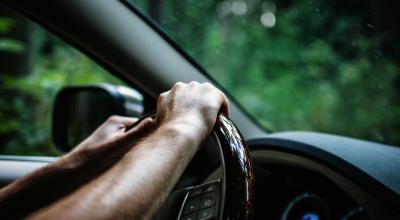
The car feels perfectly normal around town. At 35 mph, nothing rattles. At 50, there may be the faintest tremor. Reach highway speed and the steering wheel begins a steady dance between the driver&rsq
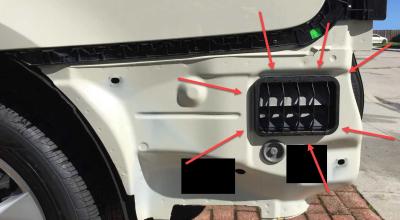
Close a car door with every window shut and the air inside has to go somewhere. The door pushes a substantial volume of air into an already sealed cabin. Without an escape route, pressure builds fo
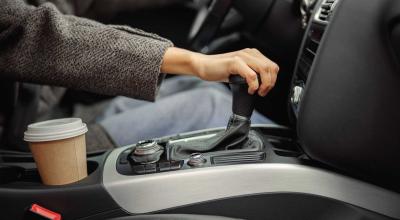
Shift an automatic car into Drive, release the brake and it begins moving without a touch of the accelerator. The movement is usually gentle. Just enough to edge forward in traffic, ease into a par
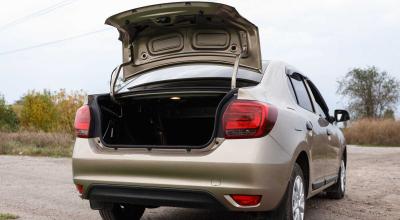
There are plenty of things inside a trunk that nobody pays much attention to. A jack that has never left its plastic tray. A spare wheel that may or may not contain air. A collection of reusable shopp
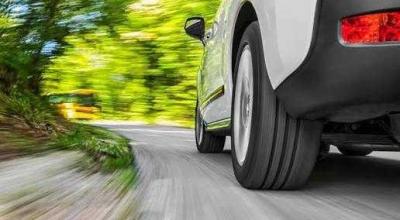
The car drifts gently toward the shoulder, and suspicion immediately falls on the alignment. That is understandable. A car should travel where it is pointed, and anything that seems to tug at the s
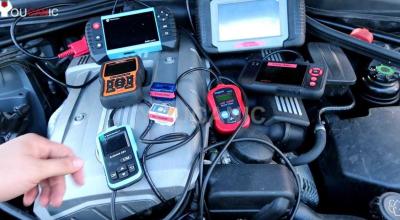
The seller has polished the paint, vacuumed the carpets and arranged the service receipts in a folder that looks reassuringly thick. The engine starts without complaint. No warning lights remain on af
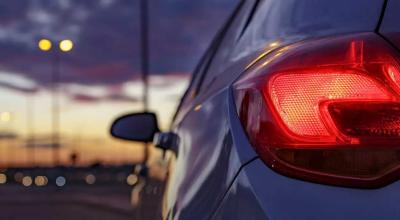
A car sits empty in the driveway, engine off and doors locked, yet all three brake lights are glowing as though an invisible driver has a foot planted on the pedal. It looks like a wiring problem. Pos