Your Headlights Perform a Little Bow at Startup. They May Be Checking Their Own Aim
by AutoExpert | 3 September, 2026
Start certain cars in front of a garage wall and the headlights put on a brief performance.
The beams drop, rise and settle. Some sweep sideways too, giving the impression that the car has opened its eyes, looked around and decided everything is where it should be.
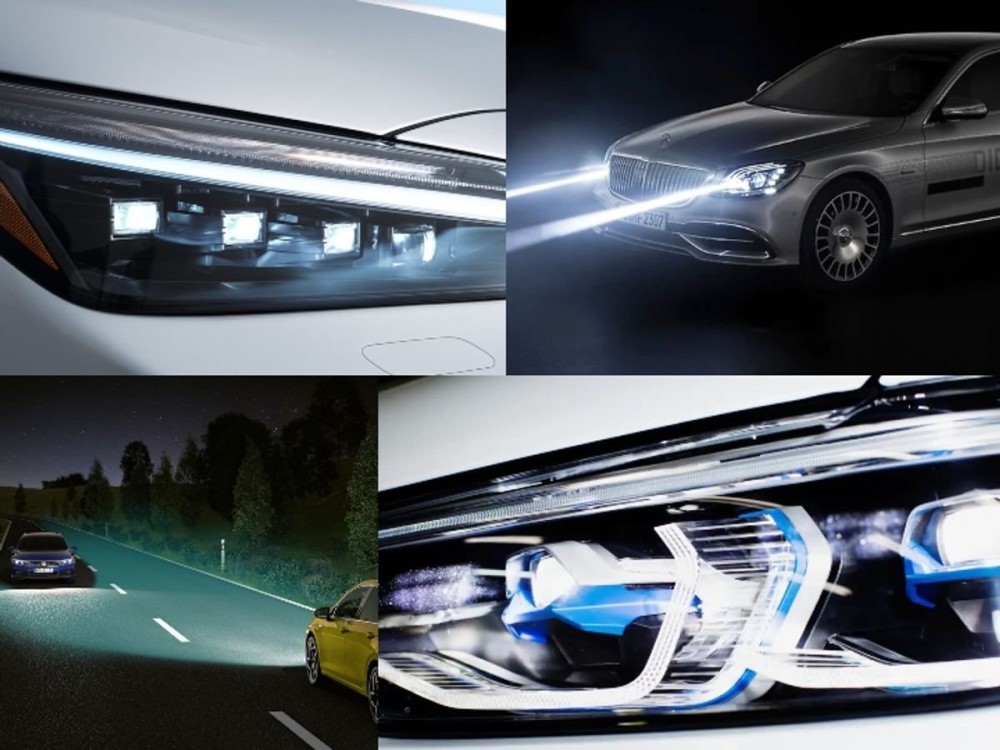
For vehicles equipped with automatic leveling or adaptive lighting, a small movement when the lights activate can be perfectly normal. The system is positioning the lamps, checking their operating range or establishing the correct beam height from information supplied by the car’s sensors.
Not every model performs a visible startup sweep, so an absence of movement proves very little on its own. When a car has always carried out the same little routine and suddenly changes, however, the difference may be worth noticing.
Headlight aim changes when the car carries weight
A headlight can remain securely mounted and still point in the wrong direction.
Load the trunk with luggage, place two adults in the rear seats or attach a trailer, and the back of the vehicle may sink slightly. The nose rises in response. Because the headlights are attached to the body, their beams rise with it.
A change of only a few degrees can send the brightest part of the low beam directly toward oncoming drivers. It also moves useful light away from the road immediately ahead.
Manual leveling systems leave the correction to the driver through a numbered dashboard control. Automatic systems use ride-height or suspension-position sensors to determine how the vehicle is sitting, then small motors adjust the lamps.
HELLA’s technical explanation describes the basic goal clearly: keeping the headlamp cut-off aligned with the vehicle’s load condition so approaching traffic is not dazzled. Ford’s automatic headlamp-leveling guidance similarly notes that dynamically leveled lamps normally require no additional driver adjustment.
The little movement against the garage wall is the visible end of a system quietly compensating for everything loaded behind the front seats.
Automatic leveling and adaptive lighting are different talents
Headlight terminology becomes confusing quickly because several features can live inside the same lamp.
Automatic leveling adjusts the beam vertically. Its concern is height.
Adaptive or steering-responsive headlights may turn horizontally as the steering wheel moves, helping illuminate bends. More advanced systems alter the shape or distribution of the beam according to speed, road conditions and surrounding traffic.
Automatic high beams perform another job entirely. A camera looks for vehicles ahead and switches between high and low beam. Matrix systems can control individual lighting elements to shade specific areas while keeping more of the road illuminated.
A car may have one, several or none of those features. A visible up-and-down movement generally belongs to leveling or lamp initialization, while a sideways sweep suggests a steering-responsive function.
The owner’s manual will reveal which tricks the car actually knows.
The suspension sensor is small and easy to disturb
Automatic leveling commonly relies on a compact height sensor attached to the suspension. A short linkage arm connects the sensor to a control arm or axle component.
As the suspension moves, the linkage changes the sensor’s position. The headlamp controller interprets the signal and adjusts the lamps.
HELLA’s vehicle-level sensor guide explains how these sensors measure the body’s vertical position relative to the axle or chassis.
Their low mounting position leaves them exposed to water, salt, road debris and careless repairs. A linkage can bend or detach after suspension work. Corrosion may seize a joint. Lowering springs, raised suspension or replacement components can also alter the reference position the system expects.
When the sensor reports implausible information, some cars place the headlamps in a protective default position, often aimed low enough to avoid dazzling other drivers. Night visibility then becomes noticeably worse even though both lamps remain illuminated.
When the little bow stops looking normal
A smooth, brief and symmetrical movement at startup is usually less concerning than a lamp that twitches, grinds or settles in the wrong place.
Watch for one beam remaining much higher or lower than the other. A headlight that points at the road a few meters ahead while its partner behaves normally may have a failed actuator, damaged mount or control problem.
Both beams sitting unusually low can indicate a sensor or initialization issue. Subaru service guidance, for example, shows that certain repairs require the automatic headlamp level control to be initialized afterward. Skipping that step can leave leveling and steering-responsive functions temporarily unavailable.
A dashboard warning may provide another clue, but some faults appear without an obvious message. Poor visibility, repeated movement while driving or complaints from oncoming motorists deserve investigation.
Do not adjust the mechanical aiming screws simply because the beams appear low after suspension or body work. If the underlying sensor is confused, changing the base adjustment can create a second problem. Proper diagnosis should confirm the ride-height input, actuator operation and calibration before anyone reaches for an aiming tool.
The garage wall makes a useful observer
There is no need to turn every startup into a lighting inspection. Familiarity is enough.
A flat wall shows whether both low-beam cut-offs sit at similar heights and move together. It can reveal a sudden change after suspension repairs, a collision, heavy loading or headlamp replacement.
The wall cannot perform a professional aiming test, and judging beam height by eye is no substitute for the vehicle’s service procedure. It can still expose a headlight staring at the pavement while its partner looks toward the horizon.
When the beams dip and rise together, the car is usually preparing its vision for the road ahead.
When one eye begins behaving differently, the little startup show has become a useful warning.