Your Brand-New Car Rides Terribly. The Dealer May Have Left Its Shipping Blocks Installed
by AutoExpert | 14 August, 2026
A new car is allowed a few small imperfections. The protective plastic may still be clinging to the touchscreen. The tires may feel slightly noisy before they settle in. The cabin may smell like an industrial experiment involving glue and optimism.
What a new car should not do is crash over every expansion joint as though somebody replaced its suspension with patio furniture.

Yet that is exactly how certain cars can behave when a small part of the delivery process has been missed. The suspension itself may be perfectly healthy. The vehicle may simply have arrived from the factory with its shipping blocks still installed.
Yes, shipping blocks.
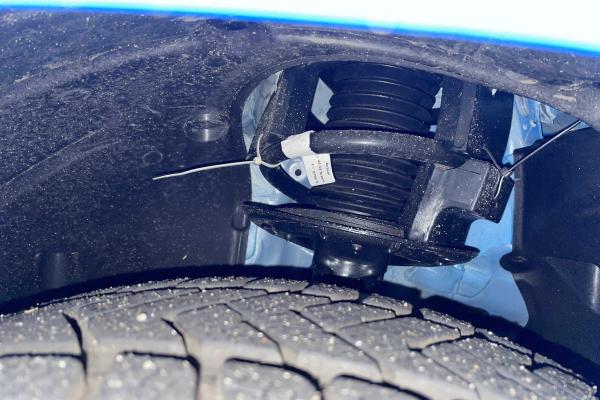
These temporary pieces are fitted inside or around suspension components on some models before the car begins its journey to the dealership. They help protect the vehicle in transit or provide additional clearance while it is being loaded onto trains, trucks and ships.
They are useful during transport. Once the car reaches its owner, they become about as helpful as leaving the packaging inside a new mattress.
The dealer is supposed to remove them
A new vehicle does not normally roll off the transporter and straight into the customer’s hands. It first goes through a pre-delivery inspection, commonly called a PDI.
This is when technicians remove protective materials, check fluid levels, activate certain electronic systems, adjust tire pressures and confirm that the car is ready for ordinary use. On vehicles fitted with suspension transport blocks, removal is part of that checklist.
Manufacturer documents are surprisingly direct about the consequences of forgetting. General Motors has warned dealers that leaving transit blocks inside the front springs can cause a rough ride and front suspension noise. Audi pre-delivery checklists have also included specific instructions to remove transport blocks from the shocks.
The reminder exists because the pieces can be tucked beneath dust boots or hidden high inside the suspension. From a standing position beside the car, nothing necessarily looks wrong.
The first clue may arrive at the nearest speed bump.
The symptoms can feel far more expensive
A car with its shipping blocks still fitted may feel unusually stiff, particularly at the front. Small road imperfections come through as sharp impacts. The suspension may knock or thump, and the body may refuse to settle naturally after a bump.
Ride height can also look strange. One end of the vehicle may sit higher than expected, or the gap between the tire and fender may appear larger than on a similar car.
Those symptoms can easily send the diagnosis in the wrong direction. A driver might suspect overinflated tires, defective dampers, incorrect sport settings or simply a suspension designed by somebody with a personal grudge against vertebrae.
Tire pressure is worth checking because new cars are sometimes transported with higher pressures than they use on the road. The correct cold pressure appears on the vehicle placard, usually inside the driver’s door opening. If the tires are correct and the ride remains bizarrely severe, the delivery inspection deserves a closer look.
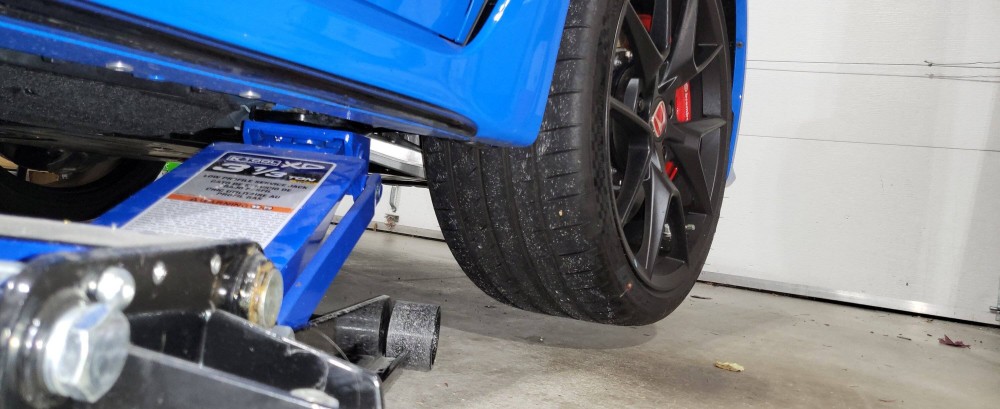
Suspension blocks are not fitted to every new vehicle, and they are more common on certain performance models or cars requiring extra protection during transport. The owner should therefore avoid crawling beneath the car and removing an unfamiliar piece based on an internet photograph.
Some components that look temporary are actually bump stops, spring isolators or other permanent parts.
Return to the dealership
The sensible response is to document the symptoms and ask the selling dealer to inspect the vehicle against its complete pre-delivery checklist. Mentioning possible transit or shipping blocks can save time, particularly if the car has felt wrong from its first mile.
The technician should inspect both sides. If one block was removed and the other remained, the car may sit unevenly or respond differently from one side to the other.
It is also worth asking the dealer to verify tire pressures and check for any remaining transport protection around the brakes, suspension or underside. Manufacturer PDI instructions can contain several model-specific items, and a missed block may not be the only evidence that preparation was rushed.
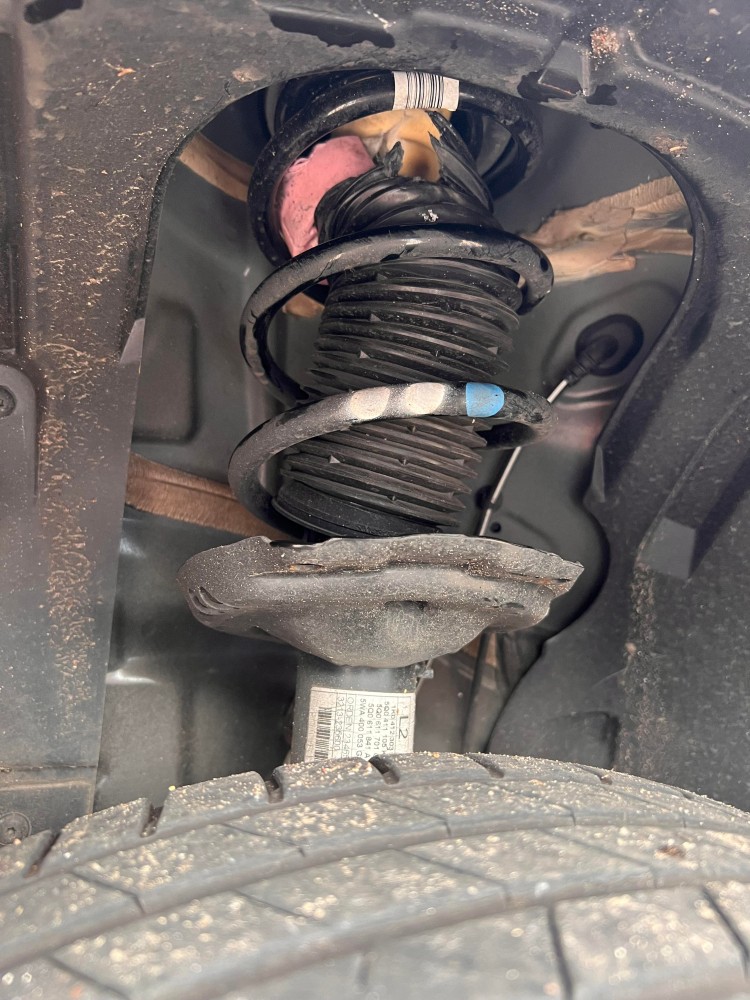
Once the temporary pieces are removed, the difference should be immediate. The suspension regains the travel it was designed to have, impacts become less violent and the car finally starts behaving like the machine its engineers signed off.
A forgotten shipping block is an unusual explanation for a bad ride, but it is a particularly satisfying one. No expensive dampers. No mysterious chassis defect. No argument that the vehicle is “supposed to feel sporty.”
Just a new car that never quite finished being unpacked.