

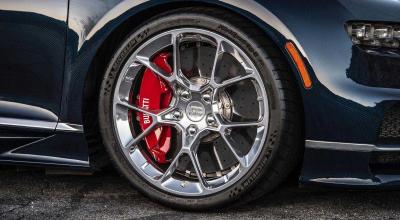
A bright red car, a metallic blue car and a taxi painted the color of a highlighter will normally leave the factory with exactly the same footwear. Black tires. The color seems so inevitable
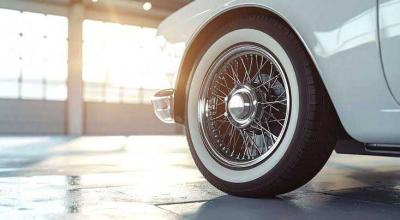
Whitewall tires have become visual shorthand for a particular kind of motoring glamour. Put them on a long Cadillac with chrome bumpers, tailfins and enough hood to host a family picnic, and the pi
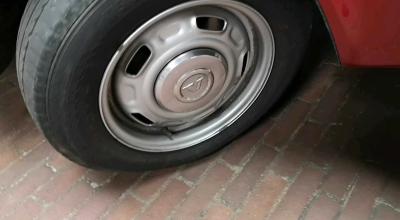
A slow turn into a parking space should not feel dramatic. The car is barely moving, the steering wheel is wound around and there is little opportunity for anything exciting to happen. Then a front
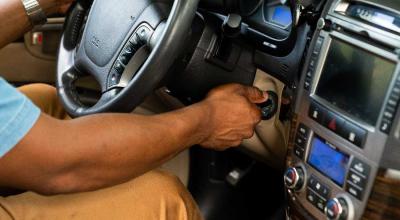
The key slides into the ignition normally, but refuses to turn. The steering wheel feels almost solid. Trying harder only makes the key flex in a way no piece of metal that small should ever flex.
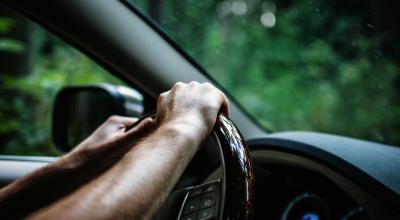
The car feels perfectly normal around town. At 35 mph, nothing rattles. At 50, there may be the faintest tremor. Reach highway speed and the steering wheel begins a steady dance between the driver&rsq
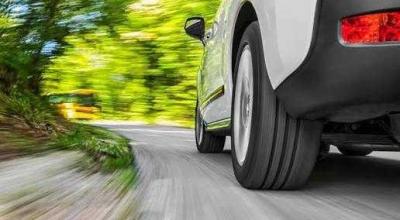
The car drifts gently toward the shoulder, and suspicion immediately falls on the alignment. That is understandable. A car should travel where it is pointed, and anything that seems to tug at the s

The sticker inside the driver’s door says 35 PSI. After an hour on the highway, the dashboard says 39. Four extra pounds of pressure sounds like a problem. The tires were set correctly that morn
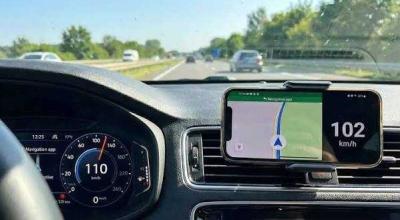
Set the cruise control to 70 mph and glance at the navigation screen. It may insist the car is traveling at 67. Increase the cruise setting to 71. GPS grudgingly moves to 68. The two displays can sp
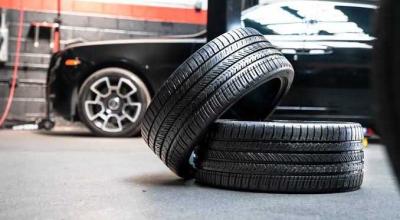
At the tire shop, the choice seems too obvious to question. The front tires on a front-wheel-drive car handle the steering, put the power down, and do most of the braking. They usually wear out first.
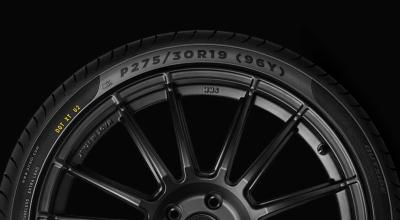
A tire can look almost offensively healthy for its age. The tread grooves are deep. There are no nails in sight. The sidewalls still turn glossy after a wash, and the car has covered so few miles th