Your Speedometer Says 70, but GPS Says 67. Which One Is Lying?
by AutoExpert | 20 July, 2026
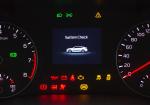
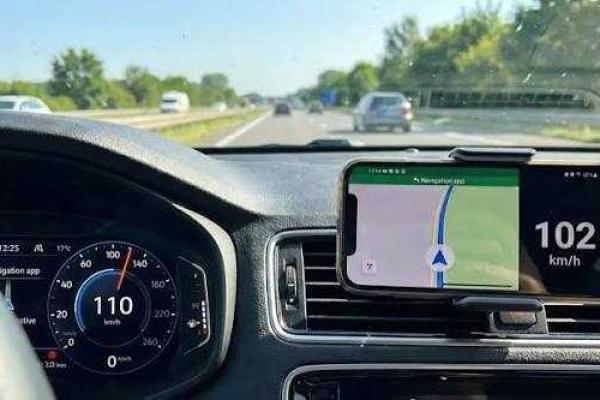
Set the cruise control to 70 mph and glance at the navigation screen. It may insist the car is traveling at 67. Increase the cruise setting to 71. GPS grudgingly moves to 68. The two displays can spend an entire highway journey disagreeing with each other by two or three miles per hour, like an old married couple arguing over the thermostat. Both look confident. Only one can be right.
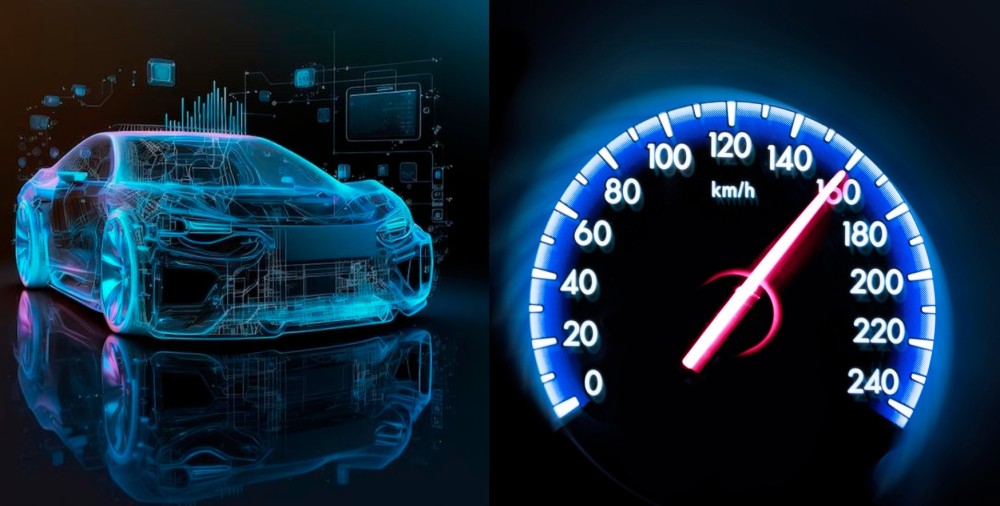
The answer depends on how each number was produced. A car’s speedometer usually works from wheel-speed information. Sensors monitor how quickly the wheels are rotating, and the car converts that rotation into road speed using the expected size of the tires.
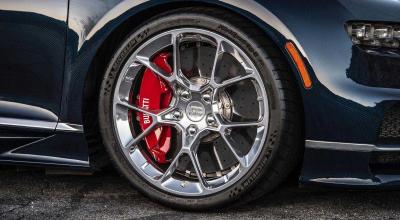
The key word there is “expected.” Tires are not fixed metal gears. Their rolling size changes slightly with tread wear, pressure, temperature, load, and even manufacturing tolerances. Replace the original tires with a different size and the calculation can move farther away from reality.
A taller tire travels farther with each rotation. If the car still assumes the original tire size is fitted, the vehicle may be moving faster than the speedometer suggests. A shorter tire covers less ground per rotation and can make the speedometer read higher.
Even a standard tire changes during its life. A new tire with deep tread has a slightly larger overall diameter than the same tire after tens of thousands of miles. The difference is not dramatic, but speedometers have to account for this kind of variation.
Manufacturers generally prefer the dashboard to err on the high side.
Regulations used in many countries reflect the same thinking. Under the UNECE rules followed across much of Europe and elsewhere, a speedometer must not display a speed lower than the vehicle’s actual speed. It is allowed to read somewhat higher within a defined tolerance.
That produces the familiar situation where the dashboard says 70 mph while the car is really moving at 67 or 68.
There is a sensible reason for the bias. A speedometer that reads slightly high may cause the driver to arrive a minute later. One that reads low could lead the driver into a speeding ticket while the dashboard insists everything is legal.
No carmaker wants that conversation.
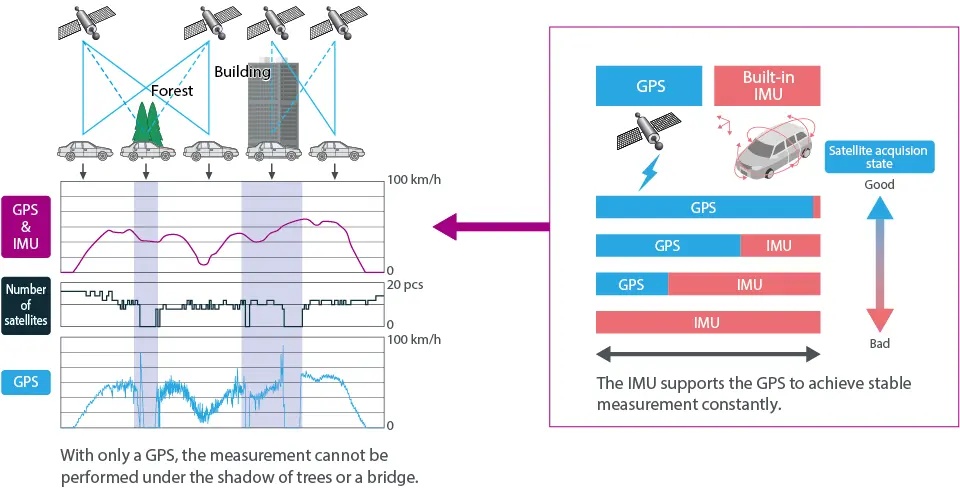
GPS reaches its number in a completely different way. Instead of counting wheel rotations, it uses changes in the vehicle’s position over time. With a strong satellite signal and the car moving steadily along a straight, open road, GPS speed is often very accurate.
It does not care whether the tires are new, worn, overinflated, underinflated, original, or two sizes taller than the ones fitted at the factory. The device sees how far it has moved and how long that movement took.
That makes GPS a useful check when the dashboard reading seems suspicious.
It does not make GPS infallible.
Satellite signals can become unreliable in tunnels, beneath heavy tree cover, between tall buildings, inside parking structures, or anywhere the receiver has a poor view of the sky. The displayed speed may lag when the car accelerates or brakes sharply because the device needs a moment to calculate and update the change.
A phone can introduce its own delays, particularly if the navigation app is trying to smooth erratic readings rather than show a number bouncing constantly by one or two miles per hour.
On a straight highway at a steady speed, however, a quality GPS device with a clear satellite signal will usually provide a strong estimate of the car’s actual speed. If the dashboard consistently reads two or three miles per hour higher, that is not automatically a fault. It may be exactly how the speedometer was calibrated.
A larger difference deserves attention.
The first thing to inspect is the tire size. Compare the numbers on the sidewall with the size listed on the driver’s doorjamb label or in the owner’s manual. A previous owner may have installed a different wheel-and-tire combination without recalibrating the vehicle.
The change does not have to look absurd. A tire can fit the wheel arch perfectly and still have enough of a diameter difference to alter the speedometer and odometer readings.
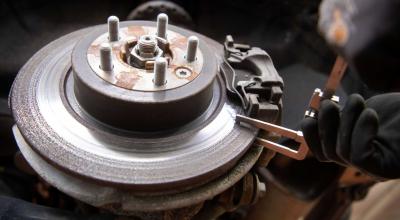
Incorrect inflation pressure can contribute too, although its effect is usually smaller than fitting the wrong tire size. Extremely worn tires may also increase a slight over-reading because their reduced circumference makes them rotate more times over the same distance.
Any comparison should be made sensibly. Do not stare at two displays while drifting across the highway in pursuit of laboratory-grade precision. Use cruise control on a straight, level road with a clear sky, then have a passenger compare the readings or check them only with brief glances.
Repeating the test at several speeds is more useful than relying on one number. A difference of two mph at 70 may be normal. A gap that grows dramatically with speed can point toward a tire-size or calibration problem.
And no, a GPS reading is not a defense against a speeding ticket. It is a useful measuring tool, not a permission slip. Satellite reception can fail, apps can lag, and posted limits still apply regardless of which display the driver prefers.
So which number should be trusted?
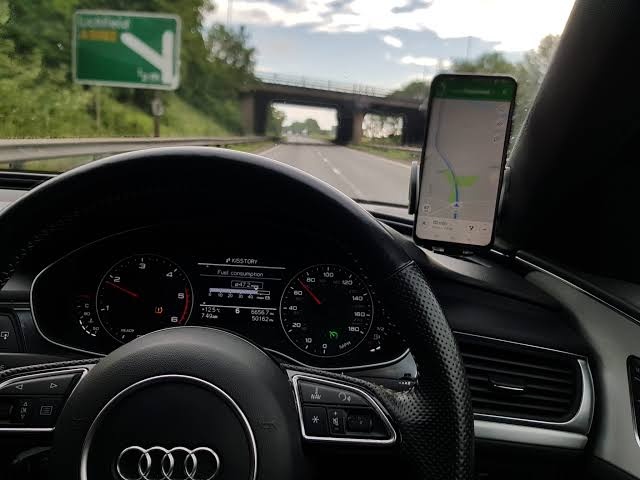
For a steady-speed check on an open road, GPS is often closer to the vehicle’s true speed. For immediate feedback during acceleration, braking, tunnels, and poor satellite reception, the dashboard is more dependable.
If the speedometer is consistently a little optimistic, it probably is not broken. It is simply choosing the safer side of the argument.
And between 70 and 67, the car may be flattering itself by three miles per hour.