

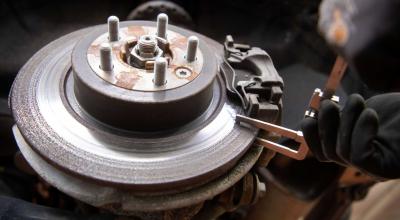
The usual explanation sounds perfectly logical. When a car slows down, its weight moves toward the front. The front tires carry more load, so the front brakes provide more of the stopping force. That
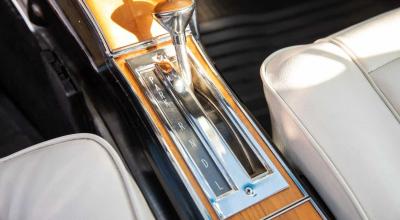
A driver can move between unfamiliar modern cars and still understand the transmission selector within seconds. Park sits at one end, followed by Reverse, Neutral and Drive. Lower ranges, manual modes
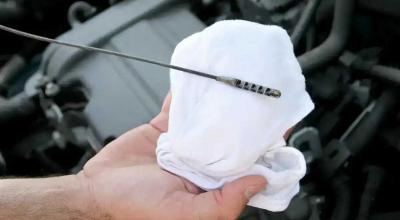
An engine can be low on oil and sound perfectly content. It may start normally, idle without complaint and carry the car through the morning commute. The driver sees no smoke, hears no knocking and re
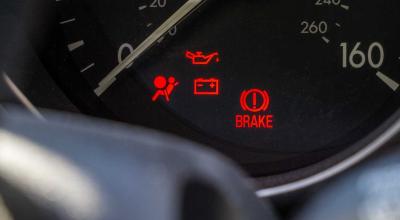
The parking brake has been released, but the red warning light remains on. The first reaction is usually to pull the lever again or press the parking-brake switch a few times. Perhaps the sensor
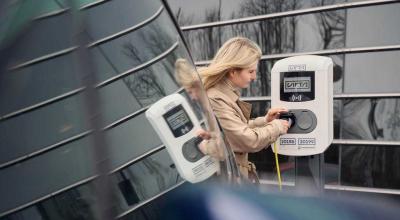
The charging session is complete. The battery has enough range, the dashboard looks satisfied and everyone is ready to leave. The plug, unfortunately, has made other plans. Pressing its rele
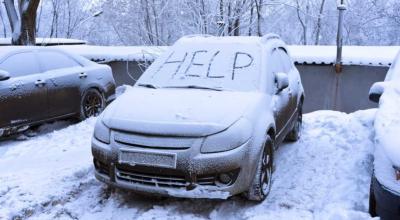
The brake pedal is down. The engine may even be running. Yet the gear lever remains planted in Park with the determination of a fence post. Pulling harder rarely improves the situation. It can, how
The key has left the ignition. The doors are locked. From beneath the hood comes the unmistakable roar of a large electric fan apparently unaware that the journey ended. Waiting beside the car for
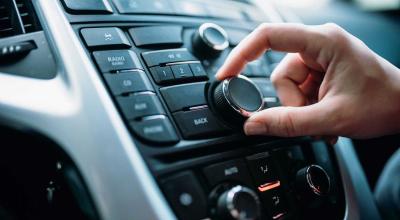
The engine is off. The dashboard has gone dark. The key is out, or the start button has been pressed for what felt like a sufficiently final time. Still, the radio keeps playing. Then the dr
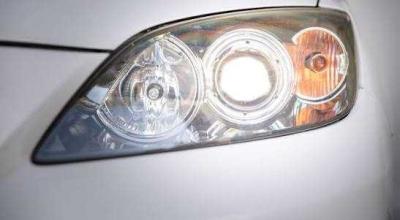
Park some cars facing a garage door at night and start the engine. Before the wheels have moved an inch, the headlights perform a small piece of theater. The beams dip toward the ground, rise again
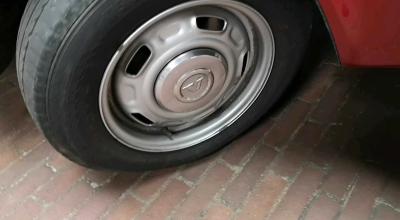
A slow turn into a parking space should not feel dramatic. The car is barely moving, the steering wheel is wound around and there is little opportunity for anything exciting to happen. Then a front