

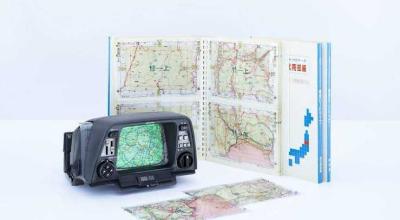
There was a time when getting lost required some commitment. A driver would unfold a road map across the steering wheel, locate two towns that appeared to be printed directly on top of one another, th
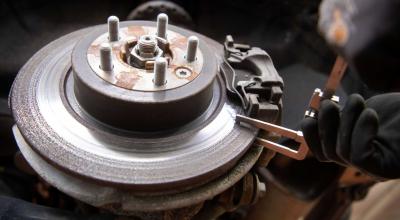
The usual explanation sounds perfectly logical. When a car slows down, its weight moves toward the front. The front tires carry more load, so the front brakes provide more of the stopping force. That
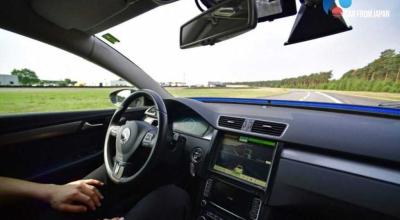
Turn into a side street, loosen the grip slightly and the steering wheel begins feeding itself back through the hands. The front wheels straighten, the car settles into its lane and the driver rarel
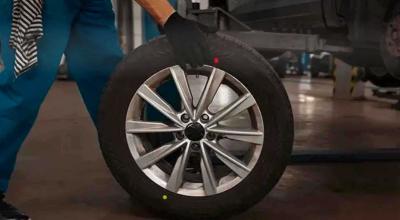
New tires arrive covered in information. Numbers identify their size, load capacity, speed rating and date of manufacture. Then, among all that serious molded lettering, someone appears to have atta
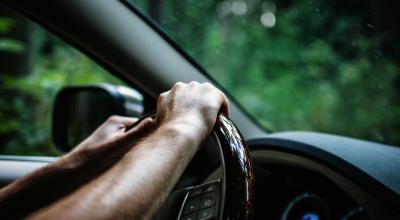
The car feels perfectly normal around town. At 35 mph, nothing rattles. At 50, there may be the faintest tremor. Reach highway speed and the steering wheel begins a steady dance between the driver&rsq
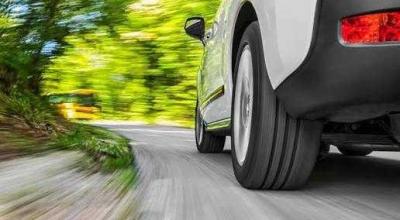
The car drifts gently toward the shoulder, and suspicion immediately falls on the alignment. That is understandable. A car should travel where it is pointed, and anything that seems to tug at the s
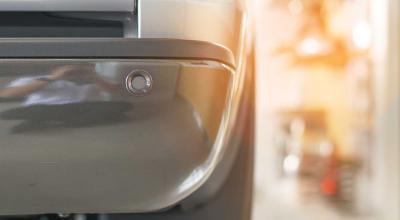
There is nothing behind the car. No wall, no shopping cart, no decorative boulder placed by a landscape designer with a grudge. Still, the moment Reverse is selected, the parking sensors erupt. The
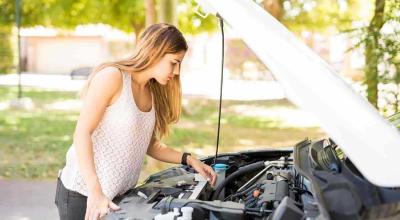
Fifty-three and a half percent. That’s how many roadside breakdowns come down to tires, not engines or mysterious sensors—just rubber that never got a second glance before a family pil
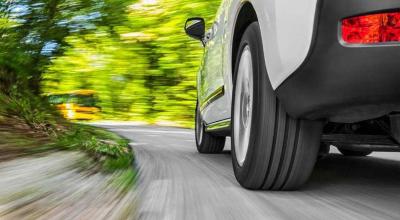
There is a small test every driver has done at least once, even if they would never admit it. A straight road. No traffic. Good weather. Hands still close to the wheel, but the grip loosens f
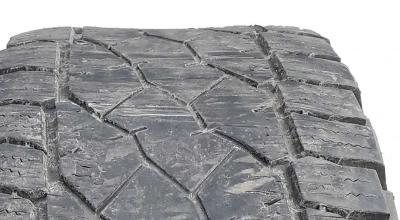
Tires are easy to ignore because, most days, they just sit there doing their job. Until they don’t. A flat tire gets your attention. A blowout definitely gets your attention. Hydroplaning