Your Car Pulls To One Side? Don’t Let A Shop Sell You An Alignment Before You Check This
by AutoExpert | 1 June, 2026
There is a small test every driver has done at least once, even if they would never admit it. A straight road. No traffic. Good weather. Hands still close to the wheel, but the grip loosens for a second. And then the car tells on itself.
If it keeps rolling straight, great. If it starts drifting left or right like it has an appointment in the next lane, something is not right. Most people immediately think the same thing: alignment.
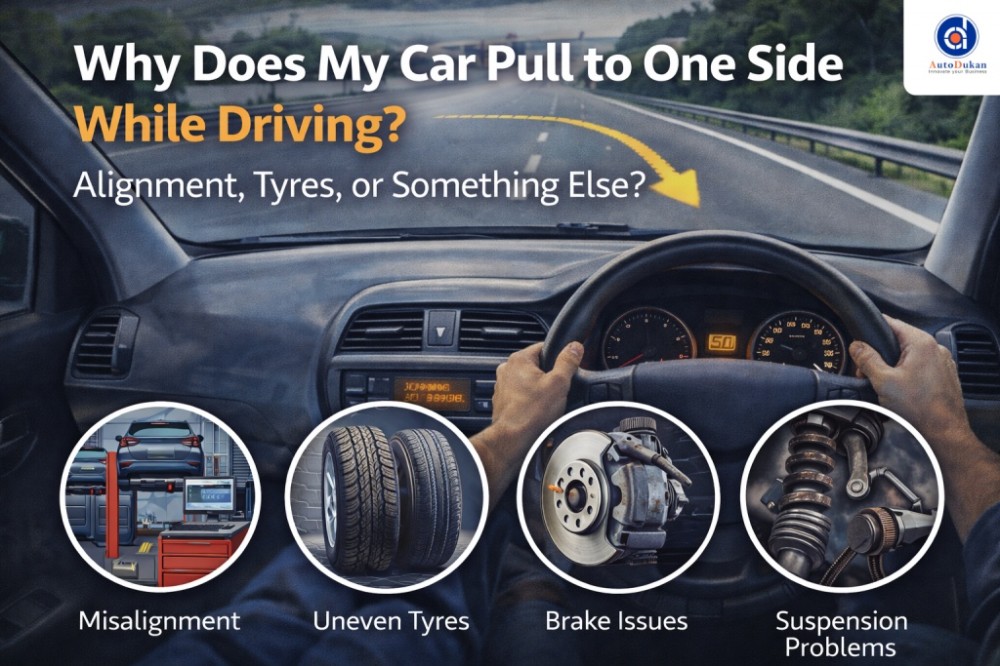
Fair enough. A bad alignment can absolutely make a car pull. But it is not always the first place to look, and it is definitely not the cheapest place to start. Plenty of cars get dragged into alignment shops when the real problem is sitting there in plain sight, looking slightly sad and underinflated.
Yes, the tire.
Why Does My Car Pull To One Side? Start With The Boring Thing First
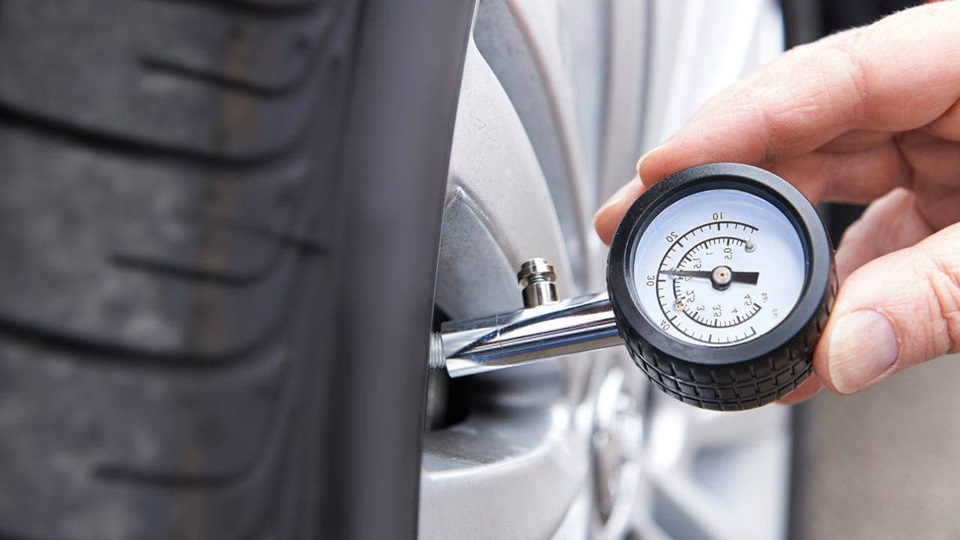
Before booking anything, walk around the car and check the tires. Not in the casual “yep, still round” way. Actually look at them. Better yet, use a tire pressure gauge. A tire can be several psi low and still look normal, especially on newer cars with thicker sidewalls.
If one front tire is softer than the other, the car may pull toward that side. It is that simple. The low tire has more rolling resistance, so it drags a little. The steering feels off. The car starts wandering. The driver starts blaming the alignment.
Summer makes this even more annoying. Hot weather changes tire pressure, and hot pavement makes everything worse. A tire that was already a bit low in the morning can behave even more badly once the road is baking and the tire has warmed up. That is why some cars feel almost fine at first, then start pulling more after a drive.
The fix costs nothing if there is an air pump nearby. Set all four tires to the pressure listed on the sticker inside the driver’s door. Not the number printed on the tire. That number is not the car’s recommended pressure. It is basically the tire saying, “please do not go above this.”
Once the tires are set properly, drive the car again. If it suddenly behaves, congratulations. The problem was air. Very boring. Very satisfying.
If It Still Pulls, The Tire Itself Might Be The Villain
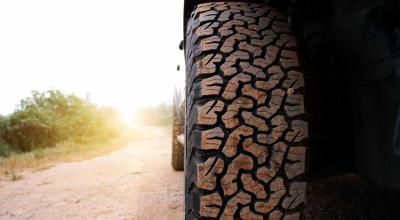
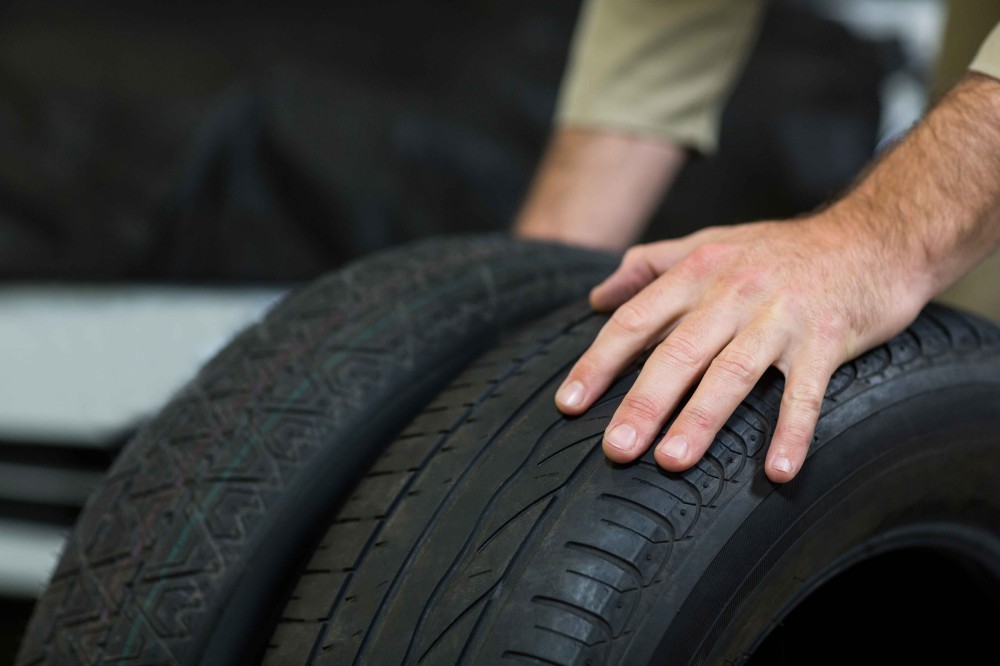
Sometimes the pressure is fine, but the tire is not. Run a hand across the tread of the front tires. Gently, obviously. Tires pick up wires, glass, screws, and all sorts of tiny roadside garbage.
One tire may feel smooth. The other may feel chopped, wavy, cupped, scalloped, or worn more on one edge. That uneven wear can make the car pull even if the alignment numbers are not terrible.
A damaged tire can do it too. This is where drivers need to pay attention, because not every tire problem looks dramatic at first. A tire with internal damage can pull the car to one side before it looks obviously destroyed. If there is a bulge on the sidewall, though, that is not a “monitor it for a while” situation. That tire needs to be dealt with immediately.
Sidewall bulges are not character. They are a warning.
Then There Is The Brake Problem Nobody Thinks About
A car can also pull because one brake is not letting go. A sticking brake caliper is exactly as irritating as it sounds. The brake on one wheel keeps dragging a little, even when the driver is not pressing the pedal. So the car feels like it is being held back on one side.
Naturally, it pulls that way. This can feel like an alignment issue, which is why people miss it. But there are clues. After a normal drive, one front wheel may be much hotter than the other. Not slightly warm. Hot in a way that makes a person hesitate before getting near it.
Do not touch the wheel or brake parts. Just hover a hand near the rim from a safe distance and compare sides. If one wheel is giving off heat like a small oven and the other one is barely warm, that is worth checking fast.
A dragging brake does not politely stay cheap. It eats pads, overheats rotors, wastes fuel, and can turn a small repair into a bigger bill.
Okay, Sometimes It Really Is The Alignment
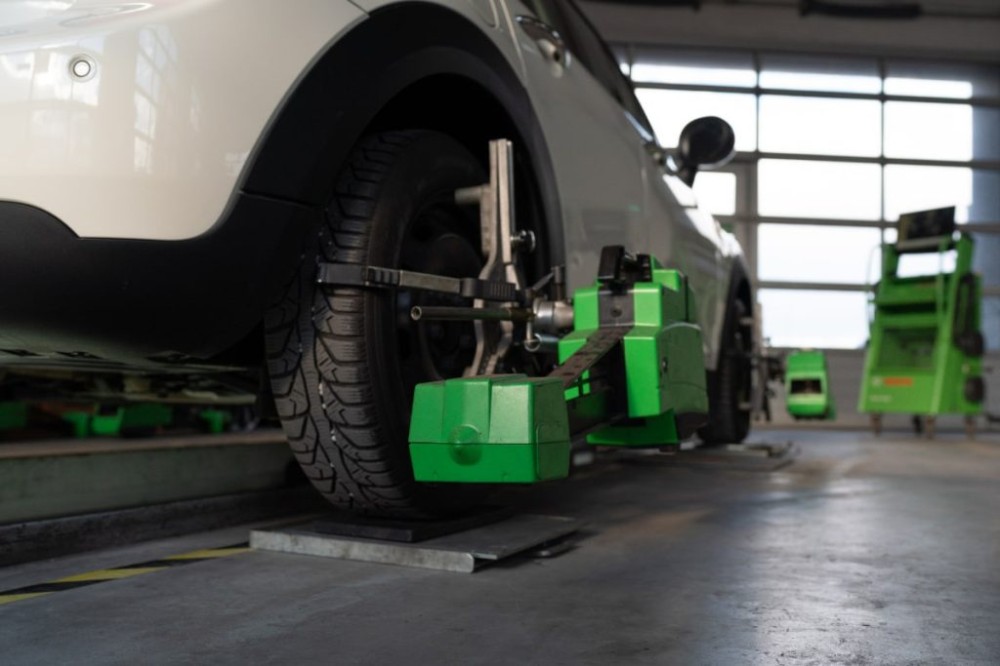
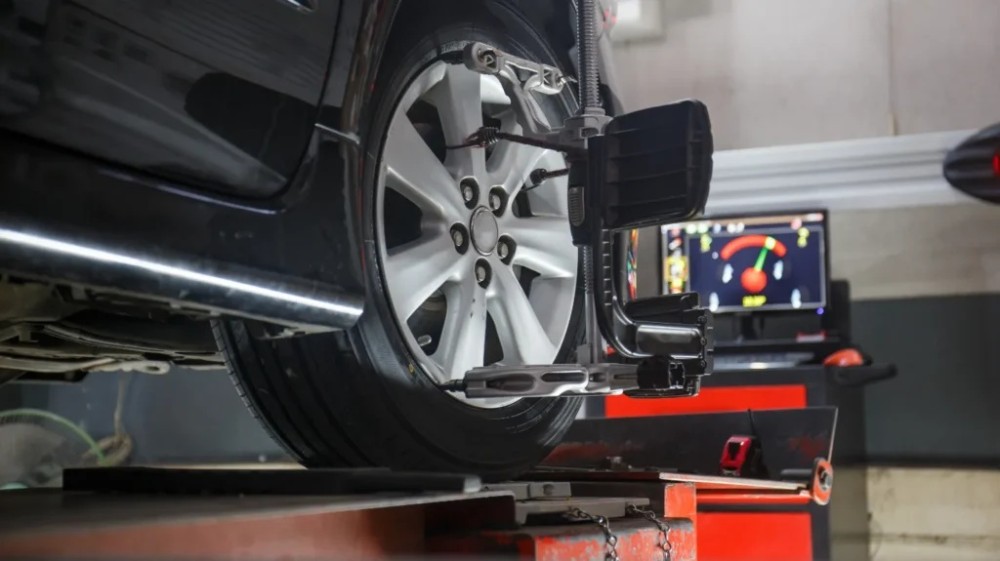
If the tire pressures are right, the tires look healthy, and the brakes are not dragging, then yes, the alignment might be the problem.
This is especially true if the car hit a pothole hard enough to make everyone in the cabin go quiet for a second. Same goes for bumping a curb, replacing suspension parts, or noticing the pull right after some ugly road impact.
That is when an alignment makes sense. A good shop should be able to show a before-and-after printout, which is nice because it proves something was actually out of spec and adjusted. Otherwise, paying for an alignment can feel a little like paying someone to bless the front end and hope for the best.
One More Thing: Roads Are Not Perfectly Flat
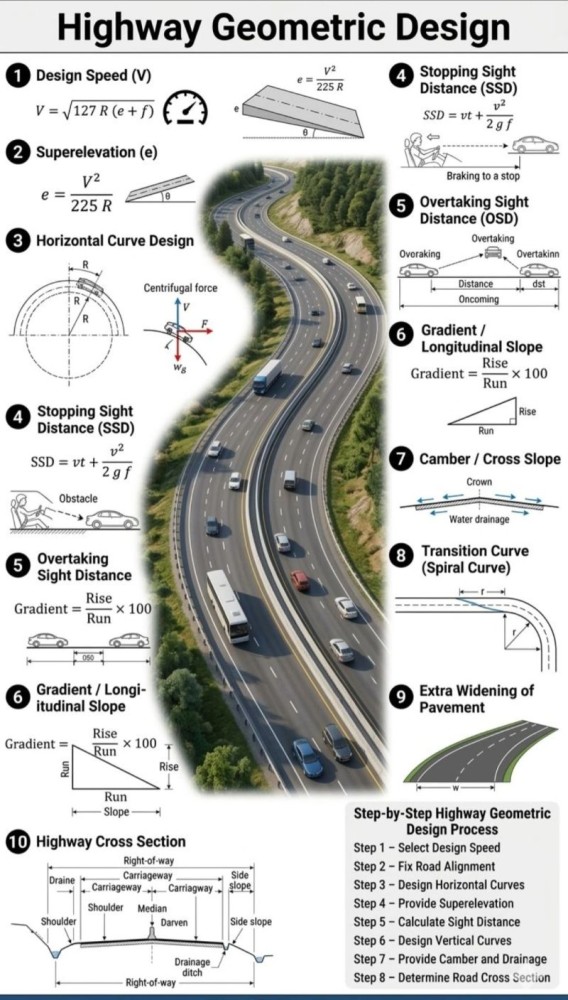
There is also such a thing as a car following the road. Most roads are built with a slight slope so water can drain. In the U.S., that often means the road leans a little to the right. So if a car gently drifts right when the driver lets go of the wheel on that kind of road, it may not be broken. It may just be doing what gravity told it to do.
A real pull feels more stubborn. The driver has to keep correcting it. The wheel needs constant babysitting. The car does not just wander a bit. It argues. That is the difference.
The Smart Move Is To Check The Cheap Stuff First
A car pulling to one side can mean alignment. But it can also mean low tire pressure, uneven tire wear, a damaged tire, or a brake that is quietly cooking itself.
So do not start with the paid fix just because it sounds official. Start with the air. Look at the tires. Pay attention to heat from the wheels. Then, if nothing obvious shows up, book the alignment. It is not glamorous advice, but it is the kind that saves money.
And honestly, if the whole problem turns out to be one lazy tire that needed air, that is the best possible ending. The car gets fixed, the wallet survives, and nobody has to pretend they knew it all along.