

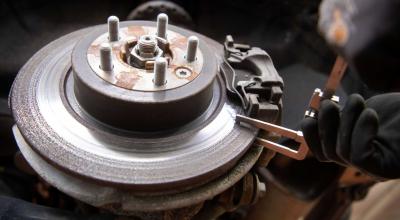
The usual explanation sounds perfectly logical. When a car slows down, its weight moves toward the front. The front tires carry more load, so the front brakes provide more of the stopping force. That
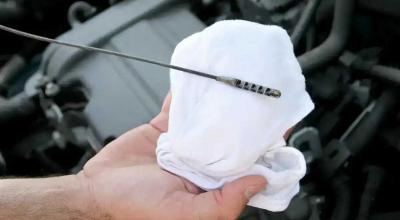
An engine can be low on oil and sound perfectly content. It may start normally, idle without complaint and carry the car through the morning commute. The driver sees no smoke, hears no knocking and re
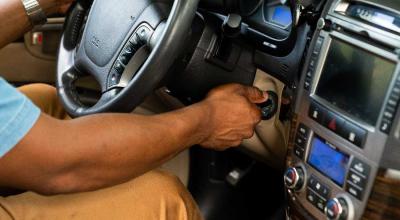
The key slides into the ignition normally, but refuses to turn. The steering wheel feels almost solid. Trying harder only makes the key flex in a way no piece of metal that small should ever flex.
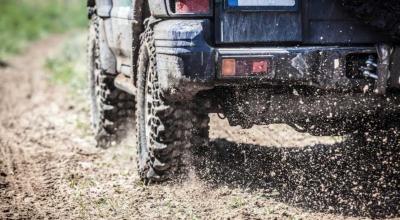
Cruise control feels wonderfully precise on a flat highway. Set it to 65 mph and the speedometer settles into place, leaving the car to handle the small adjustments that a human ankle normally makes.
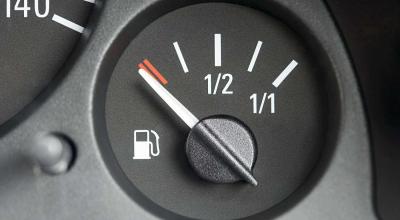
The low-fuel light is on, so a few gallons go into the tank. The engine starts, the receipt confirms that actual gasoline was purchased, and the gauge responds by remaining exactly where it was. No
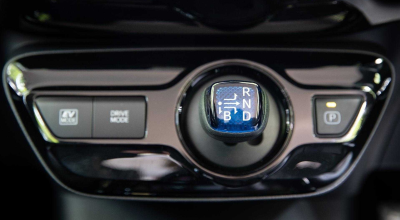
Park, Reverse, Neutral and Drive need little introduction. Then there is B. It sits on the shifter of many hybrids looking important but refusing to explain itself. Battery seems like the obvious
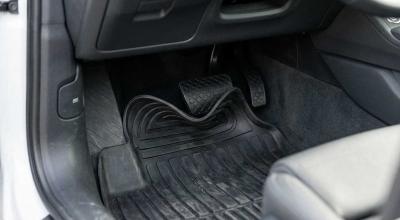
Winter rubber mats are excellent at catching snow, salt and the gray slush that somehow finds its way into every corner of a car. The temptation is to place them directly over the carpet mats alrea
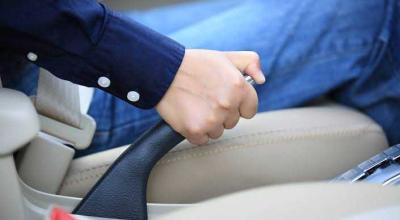
Park on a slope, move the shifter to P, take a foot off the brake, and most automatic cars will perform a small, familiar shuffle. The body rolls a fraction of an inch, stops with a muted clunk, then
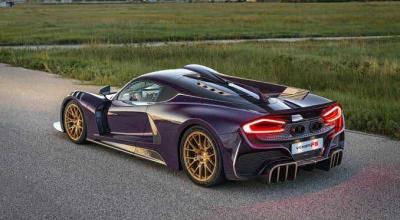
Two thousand horsepower and a gated manual gearbox sounds like the kind of idea that should have been rejected in the first meeting. Hennessey went ahead and built it anyway. The first customer-spec V
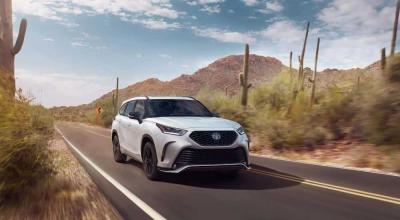
A lot of drivers know the badge on the back of their car. AWD. 4WD. Maybe nothing at all, which usually means front-wheel drive and a salesperson who did not have much to brag about. But