That Second Floor Mat Is Not Extra Protection. It Can Trap the Accelerator
by AutoExpert | 21 July, 2026
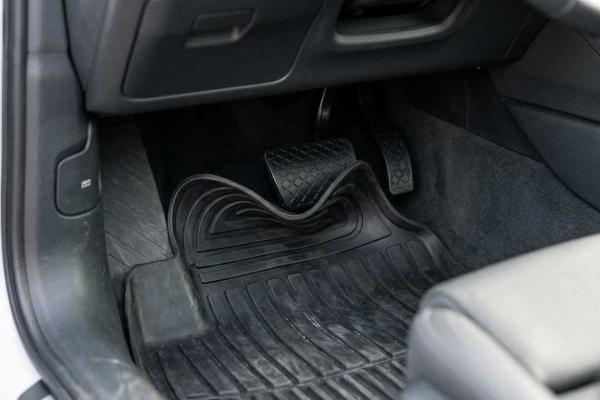
Winter rubber mats are excellent at catching snow, salt and the gray slush that somehow finds its way into every corner of a car.
The temptation is to place them directly over the carpet mats already there. It saves a minute, keeps the original carpet clean and seems like extra protection.
It is also a genuinely bad idea.
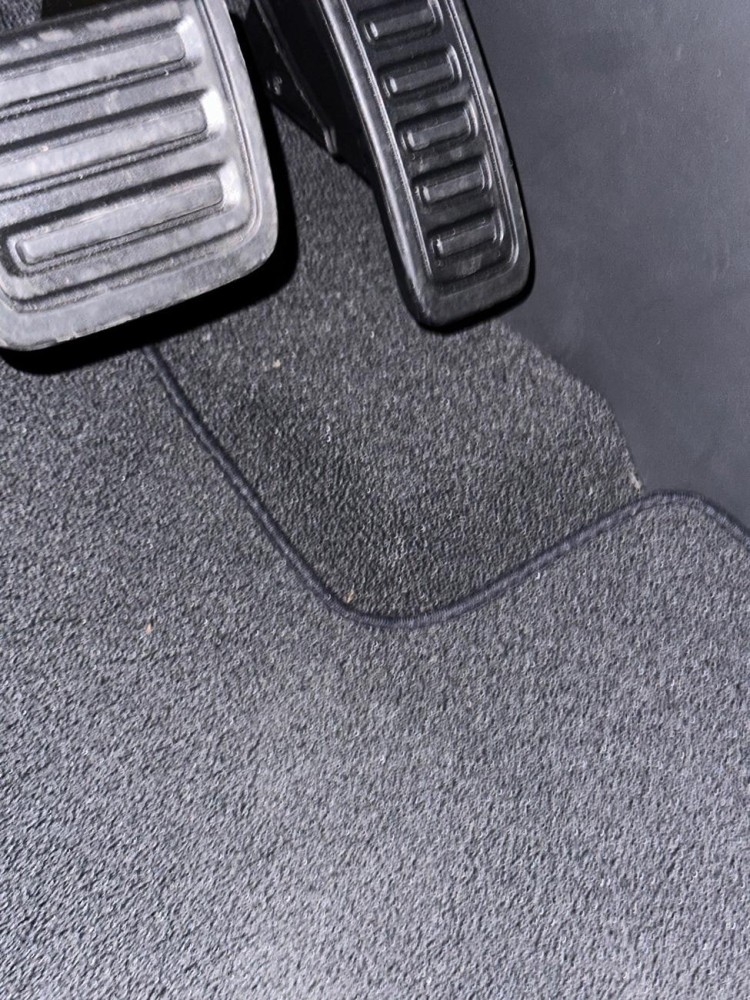
A second floor mat can slide forward, curl at the edge or bunch beneath the pedals. The movement may be gradual enough to go unnoticed until the accelerator is pressed deeply while joining a highway or climbing a hill. The pedal goes down, catches beneath the mat and does not return as expected.
Suddenly, an object chosen to keep the interior tidy is holding the throttle open.
A floor mat should not be able to wander
Proper driver-side mats are shaped around the accelerator, brake pedal, footrest and contours of the floor. They also have holes or fittings that attach to retaining clips.
Those small plastic clips are easy to dismiss as an interior detail. They are actually safety equipment. Their job is to stop the mat from creeping toward the pedals every time shoes drag across it.
A universal mat may look close enough while sitting on a store shelf, yet a small difference in length or shape can place its edge directly under a pedal. Thick aftermarket mats can create the same problem, particularly when they are installed on top of the originals.
NHTSA tells drivers to remove old mats before fitting replacements, use the correct size and secure them with the vehicle’s retention clips. Toyota’s own instructions are equally direct: never stack anything on top of a floor mat.
The brake pedal deserves attention too. A thick, folded or badly positioned mat can limit how far it travels. The brakes may still work, but the driver might not be able to apply full force when it matters most.
The check takes less than a minute
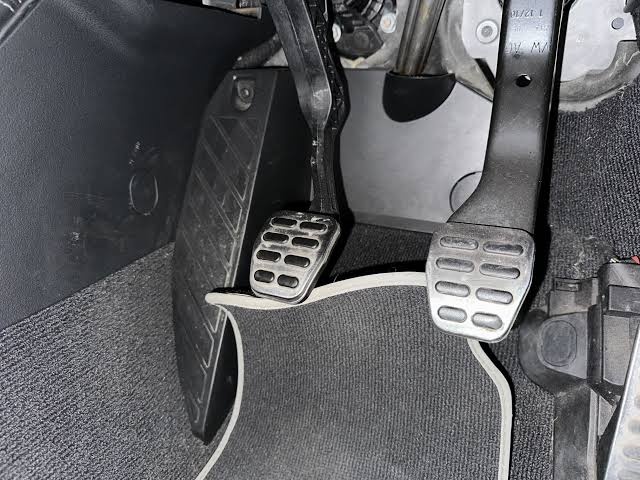
Remove every loose mat from the driver’s footwell. Install only the one intended for that position, with the correct side facing upward, and connect every retaining point.
Then, with the engine switched off, press the accelerator and brake through their full travel. Neither pedal should touch the mat. Release the accelerator and make sure it returns freely. Push the mat forward firmly with a shoe and check that it remains attached.
Repeat the check after cleaning the car. Mats are often removed during detailing and dropped back into place without being clipped down. Rental cars and newly purchased used vehicles deserve the same inspection, especially if someone has fitted inexpensive universal mats.
A loose water bottle, dropped phone or child’s toy can also roll into the pedal area. The driver’s footwell is not a storage compartment, however convenient it may appear while parked.
What to do if the accelerator becomes trapped
The first instinct may be to hook a foot beneath the pedal or lean down and pull at the mat. At speed, either move can make the situation worse.
Keep both hands on the steering wheel and press the brake firmly. Do not repeatedly pump it. Shift the transmission into Neutral, then steer toward a safe place and bring the car to a complete stop. The engine may roar when the transmission is placed in Neutral, but the wheels are no longer being driven.
Switch off the engine only after the car is safely stopped. Turning the ignition off while moving can reduce steering and brake assistance, and older ignition systems may create additional complications if the key is turned too far.
If the transmission will not shift into Neutral, follow the emergency-stopping instructions provided in the owner’s manual. Push-button systems and keyed ignitions do not all shut down in the same way.
Once stopped, do not continue driving merely because the mat has been pulled backward. Remove it completely and inspect the accelerator for damage or stiffness.
The floor mat is probably the least interesting part of any car. That is precisely why it gets ignored. Give it one minute of attention, attach the clips properly and let it return to its very modest job of catching muddy shoes.