The “B” on Your Hybrid Shifter Does Not Mean Battery, Boost or Better Economy
by AutoExpert | 23 July, 2026
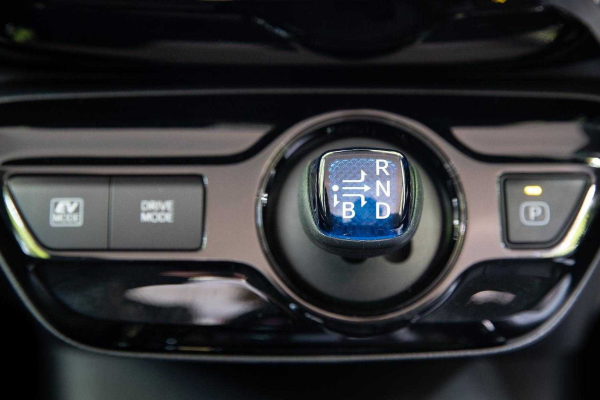
Park, Reverse, Neutral and Drive need little introduction. Then there is B. It sits on the shifter of many hybrids looking important but refusing to explain itself. Battery seems like the obvious answer. Perhaps it tells the car to recharge more aggressively. Maybe it unlocks some hidden economy setting. “Boost” has a certain appeal too.
B usually means engine braking, and its main purpose is far less glamorous: keeping a hybrid from gathering too much speed on a long descent. That sounds ordinary until the road drops down a mountain and the brake pedal begins doing far more work than anyone would like.
Drive already slows and charges the car
In normal driving, lifting off the accelerator allows a hybrid to recover some of the vehicle’s motion through regenerative braking. The electric motor operates as a generator, converting part of that energy into electricity and sending it back to the traction battery.
Pressing the brake pedal usually adds more regeneration before the conventional friction brakes take on the remaining work. The exact blend varies by vehicle, battery charge, temperature and speed, but the intention is the same: recover useful energy instead of turning all of it into heat at the brake rotors.
For ordinary streets and highways, D is where the car belongs. The hybrid system manages the battery, motor, gasoline engine and brakes without asking the driver to supervise every exchange.
B changes the character of that deceleration.
Select it on a descent and the car slows more assertively when the accelerator is released. Once the battery cannot accept more regenerative energy, the hybrid system may spin the gasoline engine to create additional resistance. Fuel injection may be reduced or stopped while this happens, depending on the design and conditions.
The engine can become surprisingly vocal. That rise in revs sometimes alarms drivers who assume the transmission has selected the wrong gear or the engine is being overworked. In reality, the noise may be the whole point. The engine is helping hold the car back.
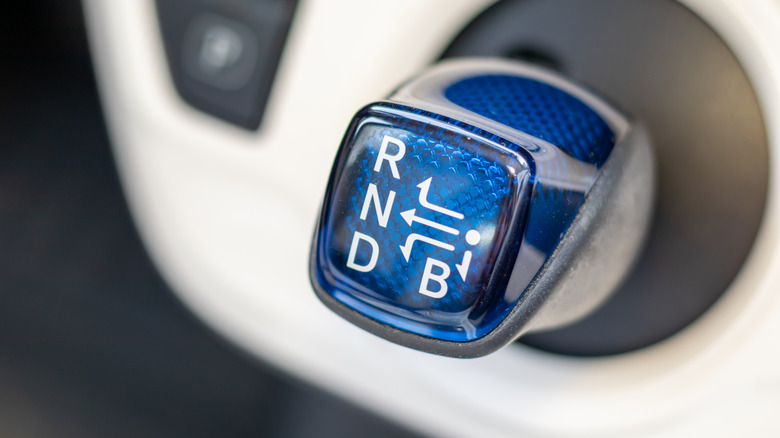
Toyota describes B in the Prius c manual as providing stronger engine braking than D.
Why use B when the car has brakes?
A short hill is not a problem. A long descent can be.
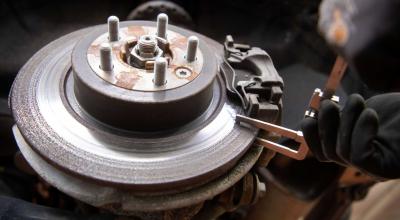
Holding the brake pedal continuously converts the vehicle’s energy into heat. As temperatures rise, brakes can begin to smell, feel different or lose effectiveness. Using engine braking helps control speed while reducing the amount of work demanded from the friction brakes.
Conventional cars have long done this by selecting a lower gear. B gives a hybrid driver a similar tool, even when the transmission does not use conventional stepped gears.
It is useful on mountain roads, steep parking-garage ramps and extended downhill sections where the car repeatedly accelerates as soon as the brake pedal is released.
B is not a replacement for the brakes. It will not necessarily hold one exact speed, and its effect can vary. The driver must remain ready to brake normally.
On a slippery surface, any sudden change in deceleration should be handled gently. The owner’s manual may provide specific advice for snow, ice and towing.
B does not necessarily charge the battery faster
This is where the letter causes the most confusion.
B may involve regenerative braking, but selecting it does not turn the hybrid into a more aggressive battery charger for everyday driving. When the battery is able to accept energy, D already uses regeneration efficiently.
On a very long hill, the battery may eventually reach a point where it cannot accept much more. B can then use the engine to dissipate energy that cannot be stored. That energy leaves as pumping resistance and heat rather than becoming additional electric range.
Using B around town can therefore reduce efficiency on some vehicles. The car slows more strongly, encouraging the driver to accelerate again sooner, and some of the energy that could have carried the vehicle forward is deliberately scrubbed away.
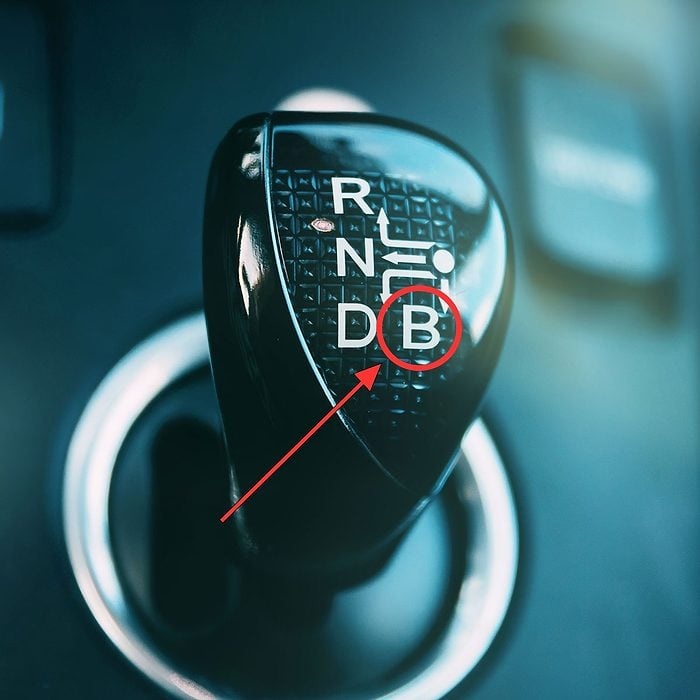
The gasoline engine may also run or spin more often. That is useful when descending a mountain. It offers little benefit while approaching every suburban stoplight.
Other cars use L, S, numbered ranges or steering-wheel paddles to provide a similar effect. Plug-in hybrids and electric vehicles may offer selectable regeneration levels instead. The controls look different because the hardware and software differ.
The owner’s manual remains the final authority. B is not identical across every hybrid ever built.
Still, the basic idea is easy to remember. D is for the drive to the mountain. B is for the long way down.