
Dealers Are Practically Paying You to Take a New Car Right Now (If You Know Where to Look)
by AutoExpert | 10 June, 2026
If you've been waiting for the right moment to buy a new car, you might want to stop waiting.
Fresh data from Kelley Blue Book, released this week, shows that new-vehicle prices moderated in May 2026, and more importantly, incentive spending by automakers and dealers jumped significantly. Across the industry, incentives now average about 7.2% of the purchase price. For electric vehicles, that number climbed from 12.4% all the way to 14.2%. That means on a $45,000 EV, a buyer could be looking at over $6,000 in built-in discounts before even negotiating.
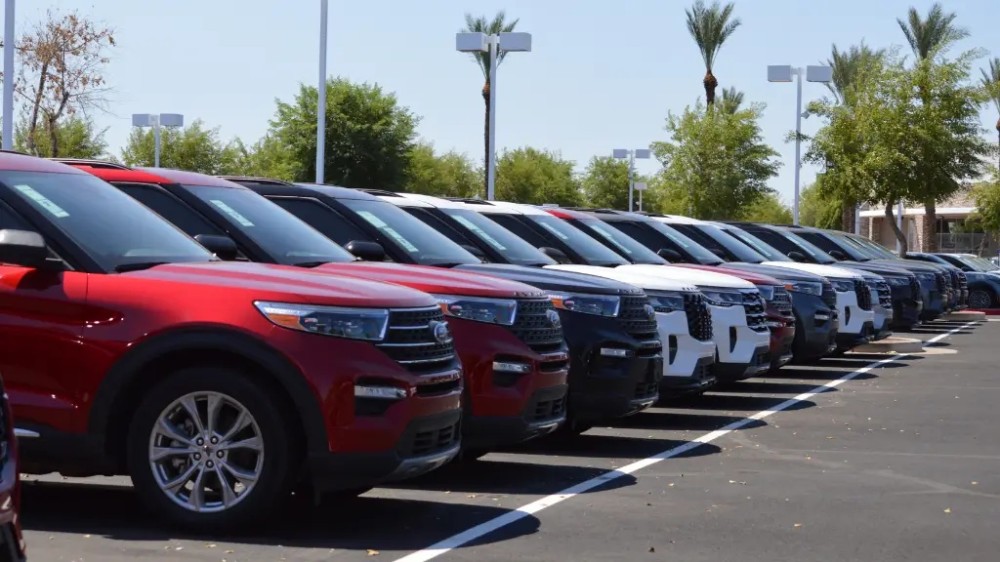
So why is this happening? A few reasons. Automakers built up a lot of inventory over the winter and into spring. Demand, while steady, hasn't been running wild. And tariff pressures on imported vehicles have created a strange paradox where dealers on some models need to move units, which means more aggressive incentive packages to get buyers in the door.
This is a notable shift from 2023 and early 2024, when inventory was tight, prices were elevated, and dealers had little reason to discount anything. The leverage has slowly moved back toward the buyer.
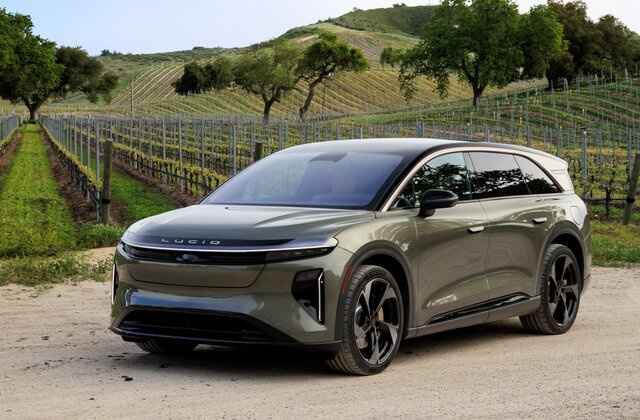
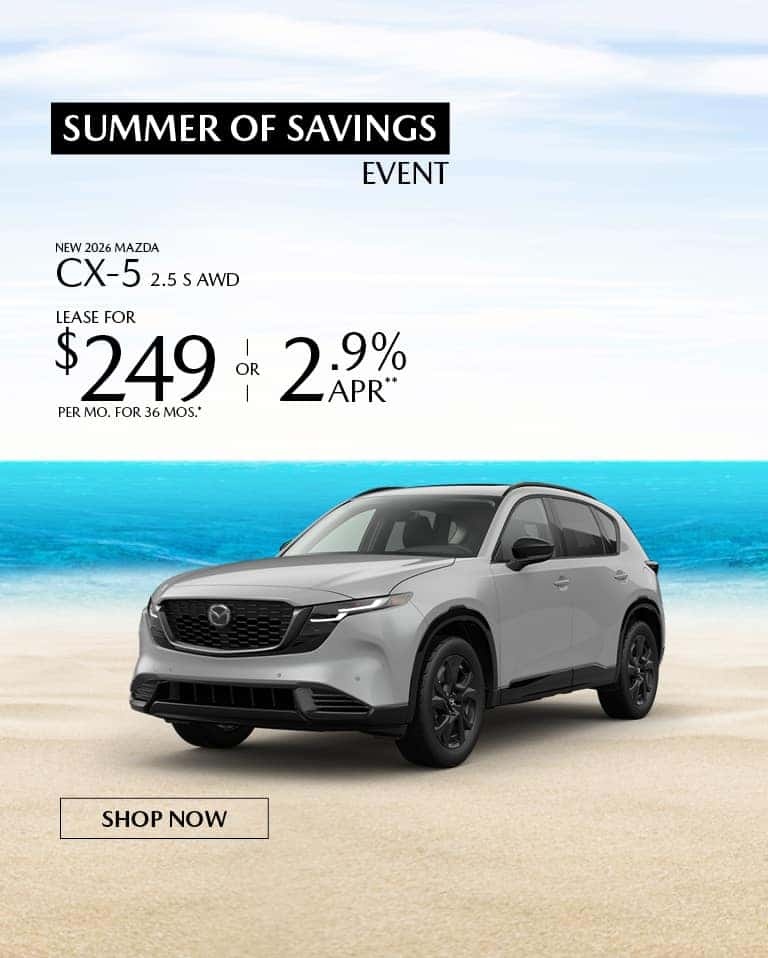
The sweet spot right now is in segments with the highest incentive spending: EVs, luxury vehicles, full-size pickups, and compact SUVs. If you're shopping in any of those categories, there is real money on the table. The key is knowing it exists before you walk in.
Here's how to use this to your advantage. Start by checking the manufacturer's website for current rebates and offers before you ever contact a dealer. These are often listed under "offers" or "incentives" on the model page and change monthly. Some are loyalty rebates for existing brand owners, some are financing deals, some are cash back. Knowing what's publicly available puts you in a stronger position when a salesperson tells you "we don't have much room on this one."

Also, June is historically a strong month for car buying. Dealers are working toward midyear targets. Models from the current production year are starting to accumulate on lots as the next model year approaches. That combination creates a natural window where incentives tend to peak.
A note of caution: tariffs have pushed prices up on certain imported models, and those increases won't be offset entirely by incentives. Domestically produced vehicles have seen smaller price bumps, so if flexibility in your choice of model is an option, it may be worth comparing where specific vehicles are actually manufactured.
The broader point is that the market in June 2026 is meaningfully different from what it was two years ago. You have more leverage, more choices, and access to incentives that in some segments are genuinely substantial.
If you've been putting off a car purchase waiting for things to "calm down," they have. This might be your window.