
Your Fresh Engine Oil Turned Black Already. Should You Be Worried?
by AutoExpert | 24 July, 2026
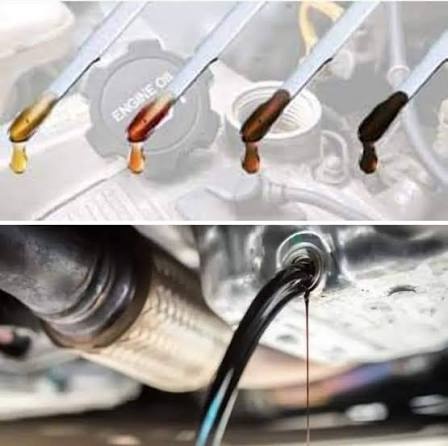
Fresh motor oil is reassuring stuff. It pours from the bottle in a clear amber stream, looking clean enough to belong in a kitchen rather than an engine.
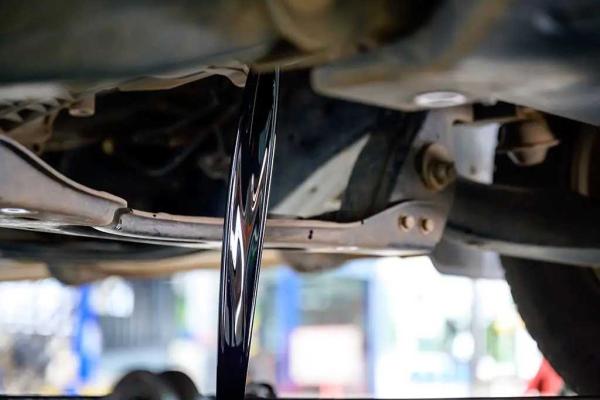
A few hundred miles later, the dipstick can tell a very different story. The oil is brown, perhaps almost black, and suddenly that recent service begins to feel suspicious. Was the old oil actually drained? Is the engine filthy inside? Has the new oil somehow worn out in a week?
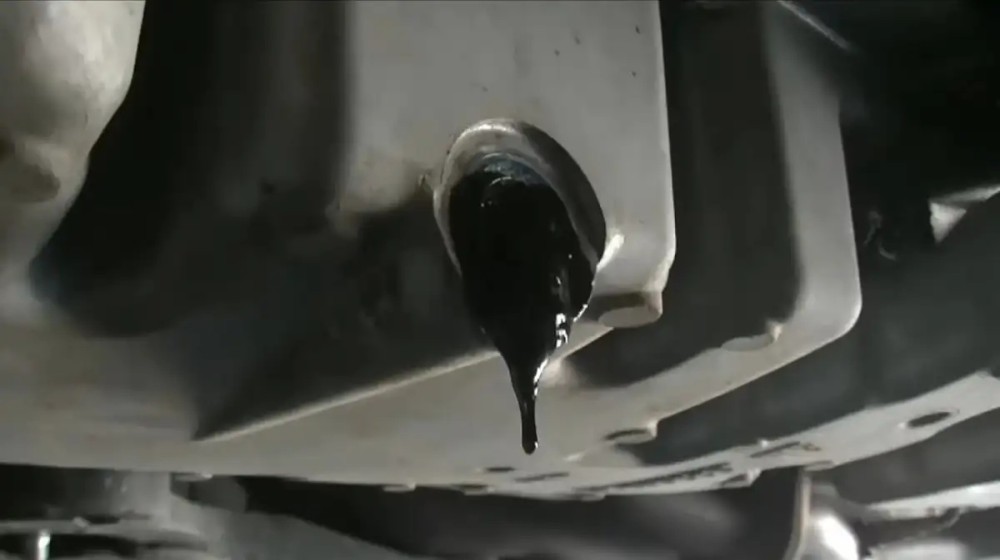
Usually, none of those conclusions is justified.
Engine oil works in one of the dirtiest environments found anywhere in a car. It moves through hot passages, around pistons and across bearings while dealing with microscopic combustion residue, oxidized material and deposits left behind from thousands of previous journeys. Remaining honey-colored for long was never part of the job description.
Dark oil may be doing exactly what it should
Modern engine oil contains detergents and dispersants. These additives loosen contaminants and hold tiny particles in suspension so they can leave with the oil at the next change instead of settling inside the engine.
As that material enters the oil, the color changes. Darkening can therefore be a sign that the lubricant is collecting contamination rather than allowing it to bake onto metal surfaces.
Diesel oil is especially quick to lose its fresh appearance. Soot is a natural product of diesel combustion, and even a healthy engine can turn new oil black after a surprisingly short drive. Blackstone Laboratories notes that soot can darken diesel oil within only a few miles.
Gasoline engines usually take longer, although turbocharging, direct injection, high temperatures, short journeys and an older engine can all speed up the change. A small amount of used oil also remains inside passages and components during a routine drain. When fresh oil circulates through it, the two mix almost immediately.
This does not mean black oil is automatically good. It simply means color, by itself, cannot settle the question.
AAA similarly advises that engine oil naturally becomes darker in service. The better guide is the manufacturer’s maintenance schedule or the vehicle’s oil-life monitor, supported by regular checks of the level and condition.
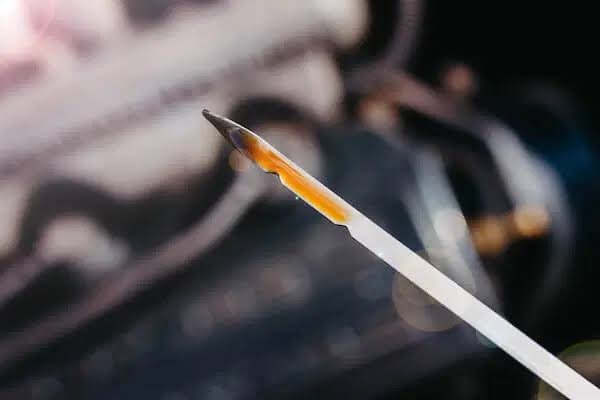
The dipstick can reveal more than color
A dipstick is useful, but it is not a laboratory instrument. It cannot reveal remaining additive strength, viscosity breakdown or the exact amount of fuel and metal suspended in the oil.
What it can show is whether something has changed dramatically.
Oil that looks creamy, milky or similar to coffee with too much cream may contain water or coolant. A small amount of pale residue beneath the filler cap can sometimes result from condensation, particularly in a car used mainly for short winter trips. Milky oil throughout the sump is more concerning and can point toward an internal coolant leak.
Visible metallic glitter is another warning. A tiny sparkle is not the same thing as ordinary darkening. It may indicate abnormal component wear, especially if accompanied by knocking, low oil pressure or fresh debris inside the filter.
Smell matters too. Oil with a strong gasoline odor may have been diluted by fuel. This can happen after repeated short journeys, injector problems or unsuccessful engine starts. The lubricant may also feel unusually thin, and the level can sometimes rise because fuel is entering the crankcase.
At the opposite extreme, thick tar-like sludge, gritty material or oil that barely runs from the dipstick suggests neglect, severe contamination or extended change intervals.
AAA’s fluid-condition guide recommends professional inspection when oil appears milky or unusually thick, or when it is very thin and smells strongly of fuel.
Do not change oil by color alone
Oil that turns black quickly does not need to be drained automatically. Nor does an engine need an aggressive flush merely because the dipstick looks dirty. Chemical flushes can create their own problems in neglected engines by loosening deposits too quickly.
Use the viscosity and specification listed in the owner’s manual, install a suitable filter and follow the correct time or mileage interval. Severe driving conditions may require shorter intervals, particularly when the car spends its life making brief journeys, towing, idling in traffic or operating in extreme temperatures.
Most importantly, check the level. An engine running slightly dark oil at the correct level is generally in a much better position than one running beautiful amber oil that barely touches the dipstick.
Fresh oil does not stay pretty. It has work to do.