Artificial Intelligence Could Make Your Next Car More Expensive
by AutoExpert | 27 July, 2026
The AI boom is creating an unlikely winner, and an unexpected loser. Memory chip makers are struggling to keep up with soaring demand from AI companies, while automakers are finding it harder and more expensive to secure the same components their vehicles rely on.
One of the hardest-hit components is DRAM, the memory chip responsible for temporary data storage. Prices have increased sixfold over the past year, while supplies remain under pressure. Today's cars rely heavily on these chips, powering everything from infotainment systems and digital dashboards to advanced driver-assistance features. As memory becomes more expensive, building vehicles does too.
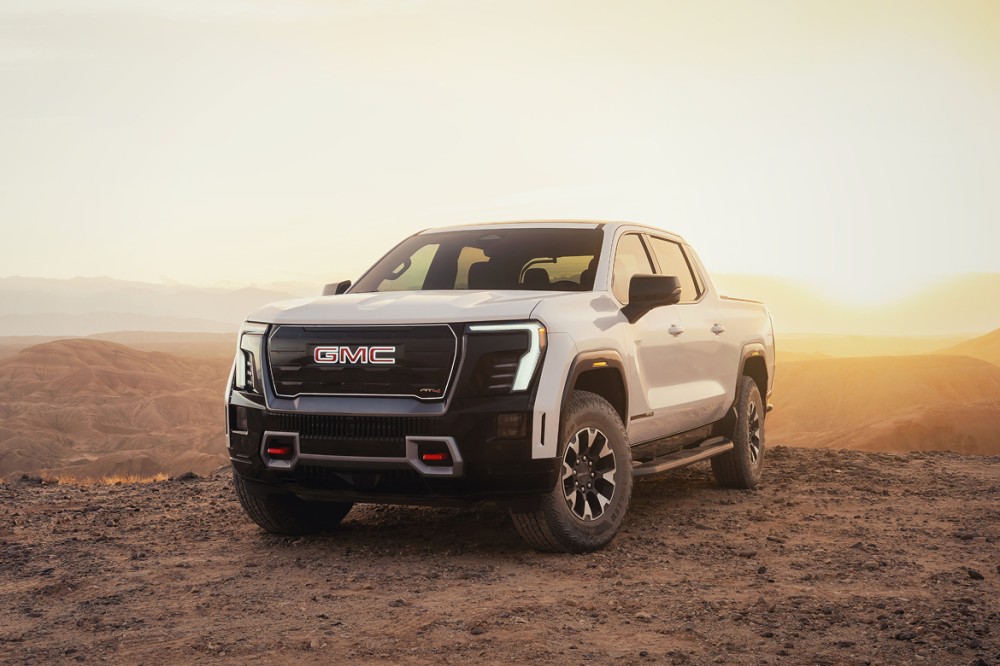
General Motors has already started feeling the effects. CFO Paul Jacobson told Nikkei Asia the company expects material costs to increase by $1.5 billion to $2 billion this year, excluding tariffs, with the situation likely to worsen in the second half.
GM has also revised its North American pricing forecast, now expecting average vehicle prices to rise by 0.3% this year instead of staying flat or declining slightly. The company says rising chip costs are partly to blame.
The pressure is unlikely to ease anytime soon. According to AlixPartners, AI already accounts for 32% of global DRAM consumption, while the automotive industry uses around 10%. By 2028, AI's share is expected to reach 48%, meaning nearly half of the world's DRAM output could end up in data centers.
To avoid future shortages, GM, Ford, Denso, Astemo, and other suppliers have already signed long-term agreements with Micron to secure future deliveries.
Chinese automakers may face the biggest challenge because their latest electric vehicles depend on even more advanced electronics than many Western competitors. Huayuan Securities estimates memory chips already cost more than $70 per Chinese-built vehicle, compared with roughly $30 in Japanese models.
BYD has responded by raising prices on its optional driver-assistance systems by 20%, citing higher memory costs, and other manufacturers could soon be forced to follow.