

Honda Made a Small Car, Then Designed Another Vehicle to Fit Inside It
by AutoExpert | 22 October, 2026
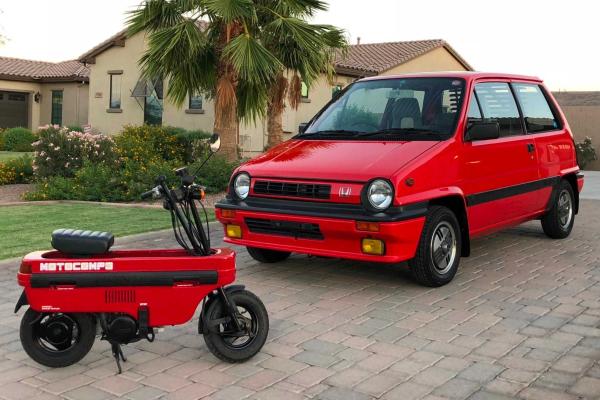
Honda launched the City and Motocompo together in Japan in 1981. The Motocompo was a small petrol-powered scooter designed to fold down and travel inside the City’s luggage compartment. The two were developed together, rather than paired up afterwards.
Most small-car designers would consider a useful boot a satisfactory achievement. Honda found room for a scooter.
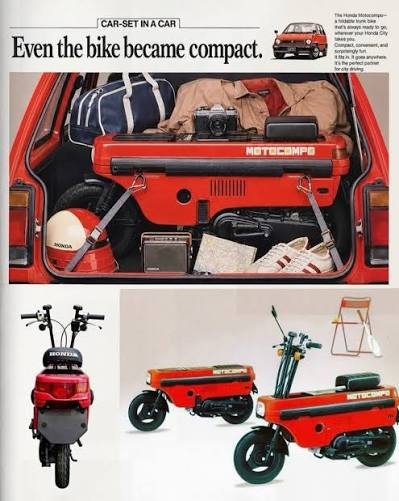
Open the back of a first-generation City carrying its matching Motocompo and the arrangement still looks improbable. The car is already tiny. The scooter resembles a brightly coloured toolbox until its handlebars are raised and it becomes something you can actually ride.
It was a wonderfully Honda answer to the question of what to do after parking. A company that made both cars and motorcycles could offer you one journey with two very different vehicles.
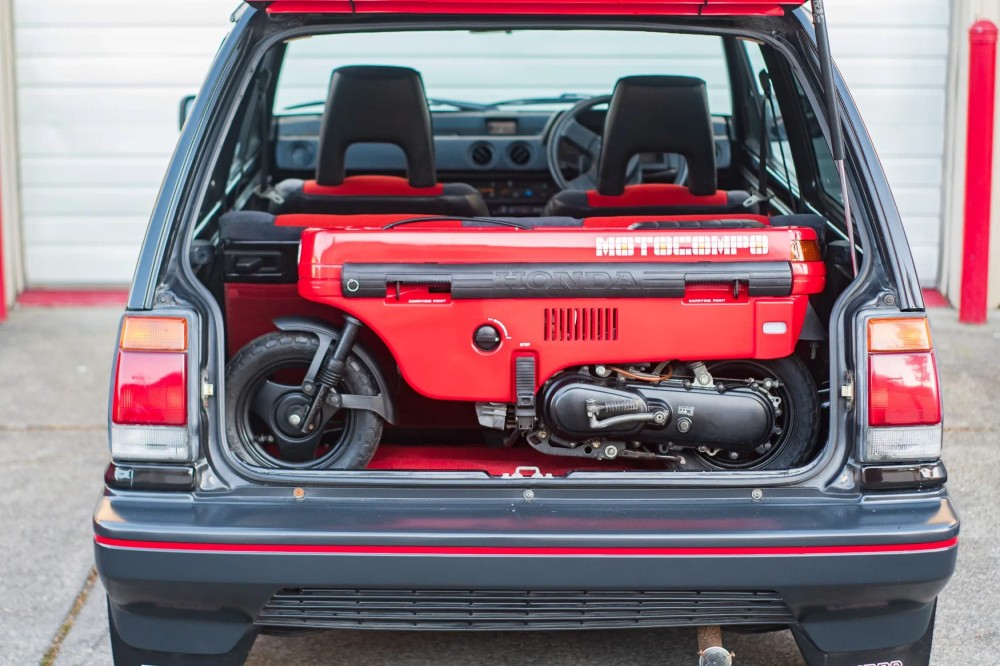
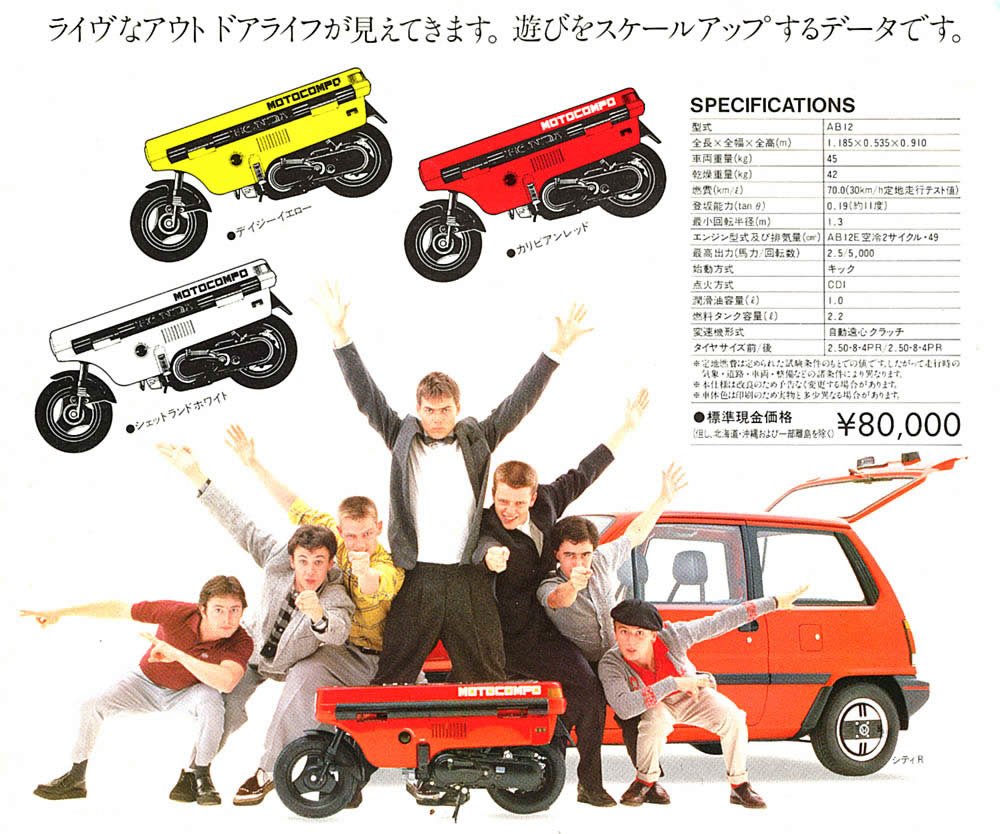
Announced in October 1981 for a November launch, the Motocompo had a 49cc two-stroke engine producing 2.5 horsepower. Its handlebars and footrests folded away, and Honda incorporated measures to prevent fluid leakage during transport. The City had anchor points so the scooter could be secured with optional dedicated straps. This was proper product development, down to the unglamorous business of keeping it in place.
There was one catch for anyone imagining casually lifting it out with a couple of shopping bags: Honda listed its dry weight at 42 kilograms. Compact did not mean weightless.
The City itself deserves some credit. Its tall body was an unconventional choice when lower cars were the norm, and Honda entrusted its development to a young team. Their approach was to find room by building upwards and making the mechanical parts take up less of the available space. The rear suspension layout helped free the luggage area, which was deliberately designed around accommodating the Motocompo.
That makes the scooter more than an eccentric accessory. It was part of the thinking behind the car.
A boot full of motorcycle obviously leaves less room for other things, and lifting it in and out would not suit everyone. But practicality is sometimes more interesting when a manufacturer tries something specific, with all its compromises, instead of promising that one vehicle can do everything.
The pair also had considerable charm. A small hatchback carrying its own smaller companion is difficult to regard with complete seriousness, even when the engineering deserves it.

Today, folding scooters in cars no longer sound particularly futuristic. What makes the Motocompo memorable is that Honda had already designed the car and scooter around each other in 1981, right down to the straps in the boot.