
BMW Had a Four-Seat Electric City Car in 1991. So What Happened to It?
by AutoExpert | 21 October, 2026
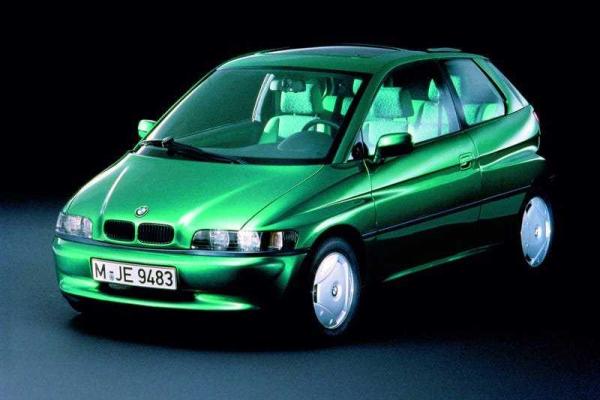
The BMW E1 was a purpose-built electric prototype unveiled at the 1991 Frankfurt Motor Show. Designed for urban driving, it combined four-seat accommodation with lightweight construction. It remained experimental, arriving long before BMW considered the batteries and surrounding infrastructure ready for series production.
Picture a BMW showroom in the early 1990s. Now imagine parking a short, upright electric hatchback among the saloons and coupés.
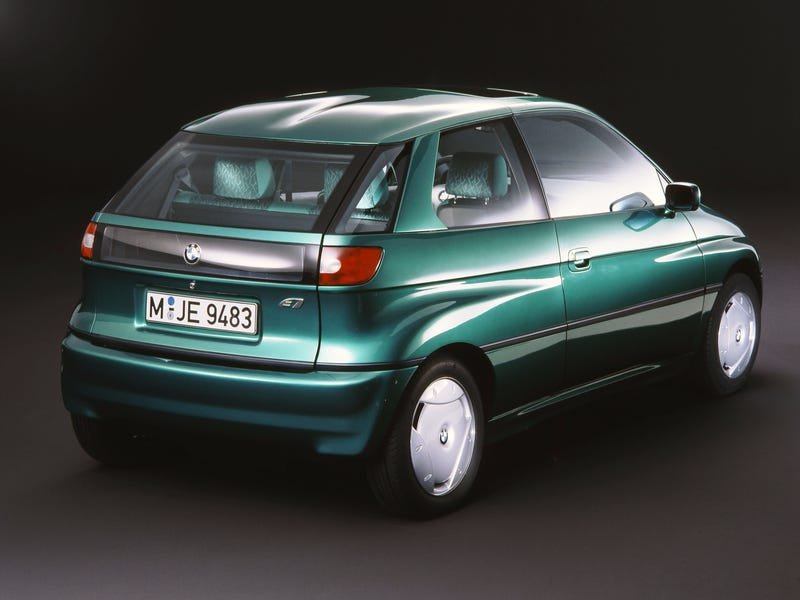
The E1 would have needed some explaining.
Its proportions were sensible for a city car, with a tall cabin and very little bodywork wasted at either end. But this was hardly the shape most buyers associated with BMW. Even today, photographs have the slightly disorienting quality of a familiar badge attached to somebody else’s car.
BMW Technik developed it under the internal project name Z11. The brief called for room for four adults and their luggage, useful everyday performance and low weight. Measuring just 3.46 metres long, the E1 had rather little space in which to meet those demands.
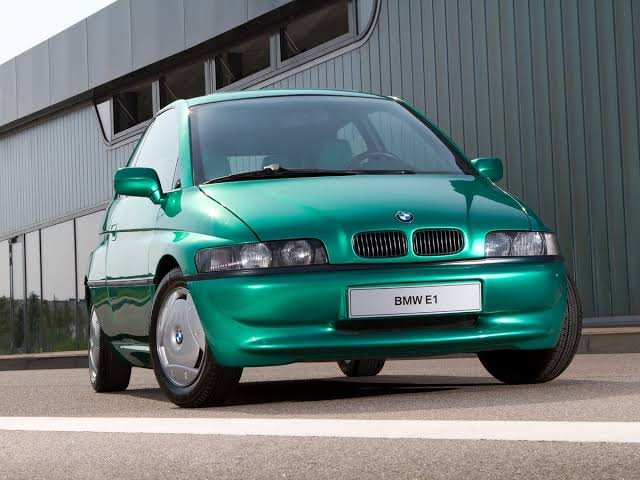
That packaging challenge was part of the point. Earlier BMW electric experiments had converted existing petrol models. Starting afresh allowed the engineers to arrange the vehicle around an electric drivetrain instead of finding places for batteries in a body designed for something else.
The construction was ambitious, too: an aluminium structure with plastic exterior panels. Those choices helped keep weight down, an especially valuable quality when the energy storage was already asking a great deal of the car.
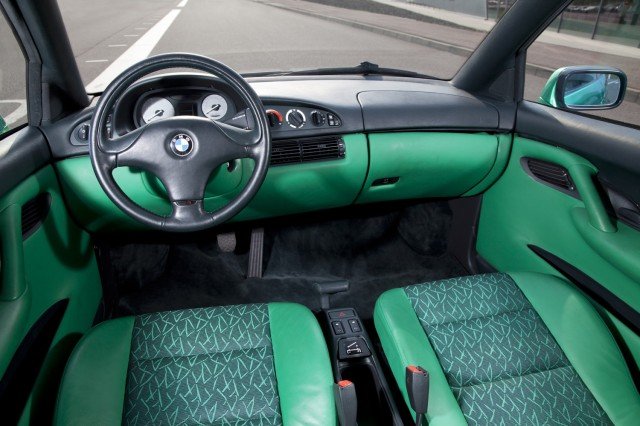
BMW’s historical account lists 32 kW of power, 150 Nm of torque and approximately 160 kilometres, or 100 miles, of range. That last figure needs its period context. It is a manufacturer-reported prototype figure, not a modern EPA or WLTP rating to compare directly with a car advertised today.
The batteries also belonged to a different stage of electric-car development. BMW experimented with sodium-based technology, including a later sodium-nickel-chloride battery in 1993. The familiar lithium-ion solution had yet to become the automotive default.
Looking back, it is tempting to ask why BMW did not simply build it. The company’s retrospective points to battery limitations and a market, infrastructure and regulatory environment that were not ready. A working show car could demonstrate an idea without settling everything needed to sell, support and service thousands of them.
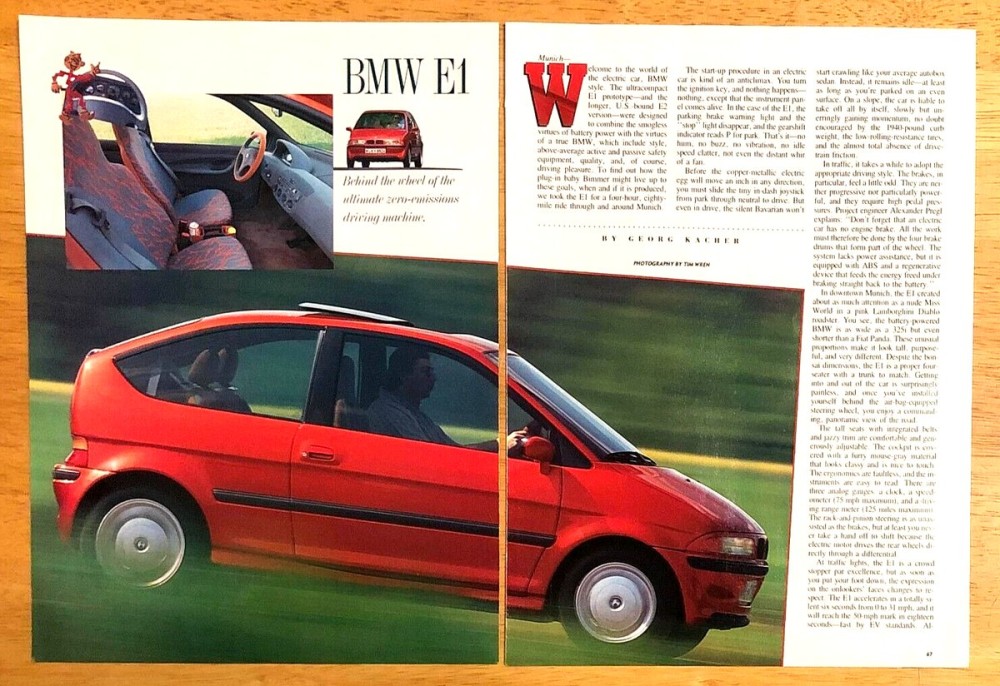
The E1 never acquired the ordinary history of a production car: used examples, neglected survivors, owners arguing about the best tyres. It stayed a prototype. Yet the questions it raised about weight, cabin space and usable range would still be waiting when electric cars finally became a regular showroom proposition.