
Your Wipers Are Hidden Under the Hood, and Pulling Harder Is Not the Answer

by AutoExpert | 31 July, 2026
Replacing windshield wipers used to be one of those jobs that made everyone feel mechanically competent.
Lift the arm. Turn the blade. Unclip it. Spend several minutes questioning the little plastic adapter. Fit the new one and feel quietly accomplished.
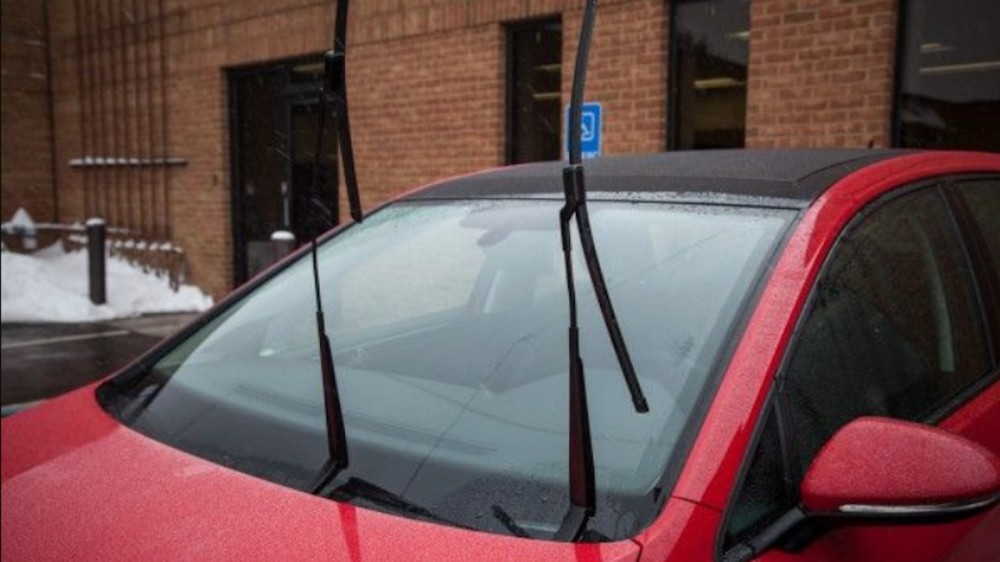
Then automakers began hiding the wipers beneath the rear edge of the hood.
The result looks tidy. When the wipers are parked, they disappear from the driver’s view and disturb less air as the car moves. There is less visual clutter across the bottom of the windshield, and the arms are better sheltered from airflow.
It also means an owner can walk outside with a new pair of blades, grab the first wiper arm and discover that it moves about an inch before striking the hood.
Pulling harder does not unlock a secret latch. It scratches the paint.
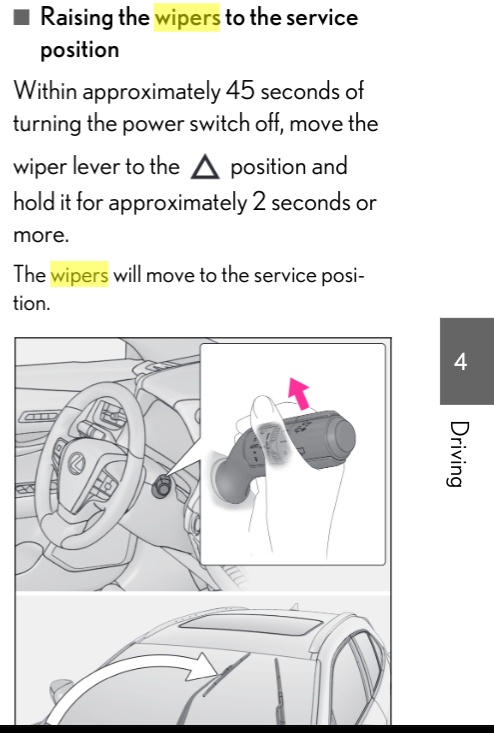
Cars with deeply concealed wipers often have a service position that moves the arms partway up the windshield, where they can be lifted normally. The feature may be designed for changing blades, cleaning the glass or freeing the wipers before winter weather.
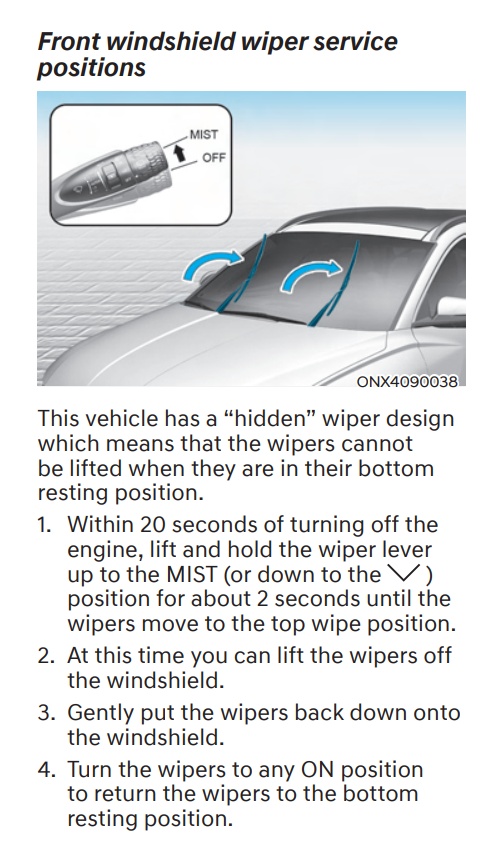
The awkward part is that there is no universal way to activate it.
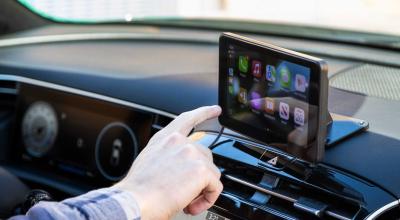
On some vehicles, the ignition is switched off and the wiper stalk must be pressed within a few seconds. Others require a particular stalk movement while the car is in accessory mode. Some newer models place the command inside the touchscreen.
Volvo, for example, uses a menu setting that moves the blades into a more accessible position. Toyota warns that lifting wipers while they remain retracted beneath the hood can damage the wipers or the hood itself.
The owner’s manual is the fastest route to the correct procedure. Search the index for “wiper service position,” “changing wiper blades” or “windshield wipers.” A vehicle-specific online manual may be easier to search than the paper book buried beneath old receipts in the glovebox.
Before activating the system in winter, make sure the blades are not frozen to the windshield.
A wiper motor is built to move rubber across wet glass, not tear a frozen blade out of a sheet of ice. Switching on stuck wipers can damage the rubber, loosen the arm or strain the linkage and motor.
Use the defroster and an ice scraper to release them gently. Do not pour hot water over a frozen windshield. The sudden temperature change can damage the glass, and the water may simply refreeze in the cowl where the wipers park.
Once the arms are in service position, lift them carefully. They are spring-loaded, which keeps the blades pressed against the glass at speed. That same spring can snap an empty metal arm back against the windshield with surprising force.
A folded towel placed on the glass provides inexpensive protection while a blade is removed. Better still, replace one blade at a time so an uncovered arm is never left standing longer than necessary.
Check how the old blade is attached before unclipping it. Hook fittings are common, but push-button, pinch-tab, side-lock and other designs also exist. Many replacement blades arrive with a small collection of adapters that look as though they belong to several unrelated household appliances.
The correct adapter should click securely into place without heroic force. Once fitted, give the blade a gentle pull to confirm that it is locked to the arm.
The blade length matters too. Driver and passenger wipers are often different sizes, and reversing them may cause the blades to collide, travel beyond the glass or leave a large unwiped area. Rear blades frequently use a completely different attachment.
Before returning the wipers to their normal position, lower the arms onto the glass. Do not deactivate service mode while they are still standing upright. On some vehicles, starting the car or operating the wiper control will send them back to their parked position. An upright arm trying to sweep across the windshield can meet the hood with considerably more determination than expected.
The manual should also explain whether the hood must be closed first. Procedures vary, and guessing is how a five-minute blade replacement acquires a paint-repair subplot.
After installation, test the wipers with washer fluid rather than dragging dry new rubber across dusty glass. Make sure both blades move smoothly, remain secure and return to their proper resting position.
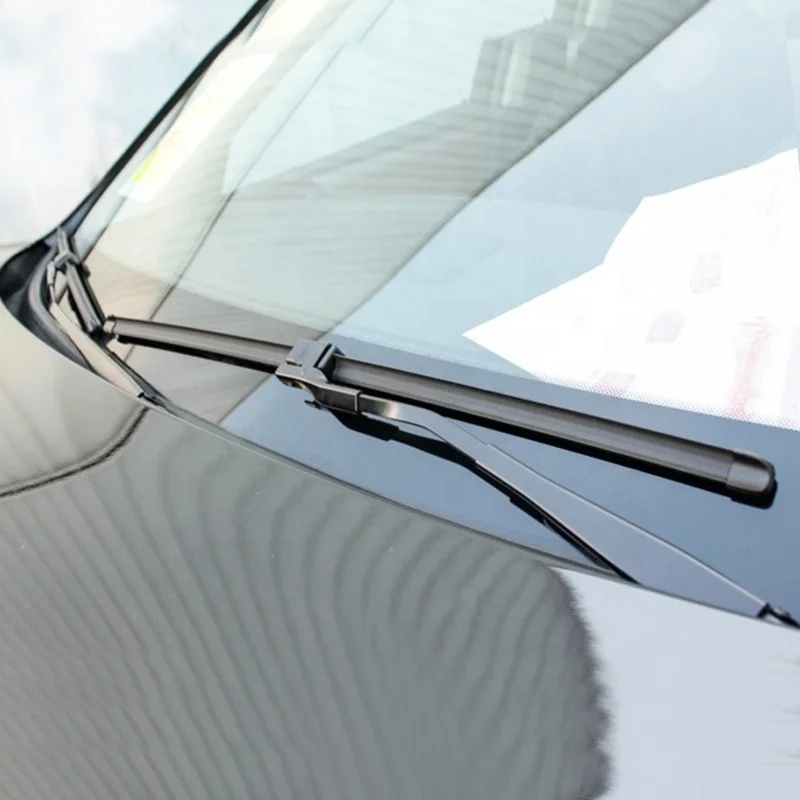
Wiper service mode is a small feature, and not a glamorous one. It will never sell a car in the way a panoramic roof or enormous screen might.
Yet on a wet afternoon, with a fresh set of blades waiting and the old ones trapped beneath the hood, it suddenly feels like one of the most useful buttons the car has.