
This Odd Little Toyota Shared Its Brand With Beer and Electronics
by AutoExpert | 20 October, 2026
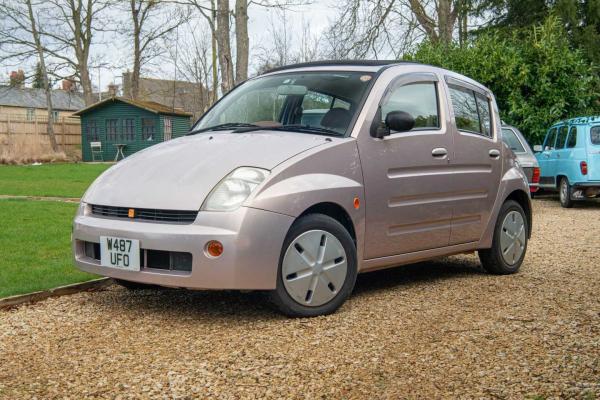
The Toyota WiLL Vi was a compact car launched in Japan in January 2000 as part of WiLL, a shared brand created by companies from several industries. Its carriage-inspired body was unusual enough. The connection to beer, electronics and household products made it stranger still.
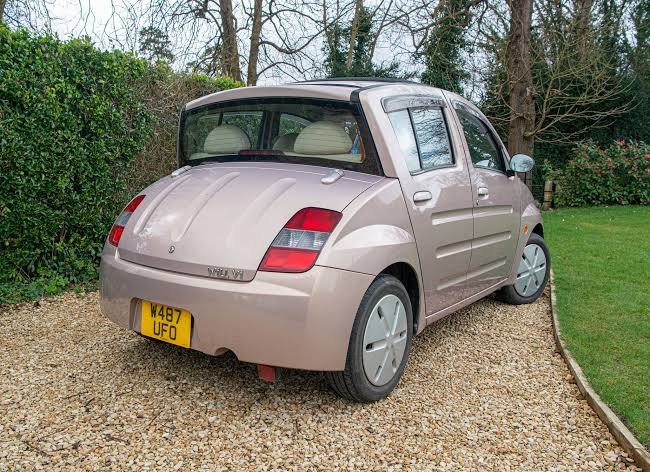
The back of the WiLL Vi is where most people pause. The roof ends abruptly, the rear window leans the unexpected way, and grooves run through the body panels as though somebody started with a much older object and worked out how to put wheels beneath it.
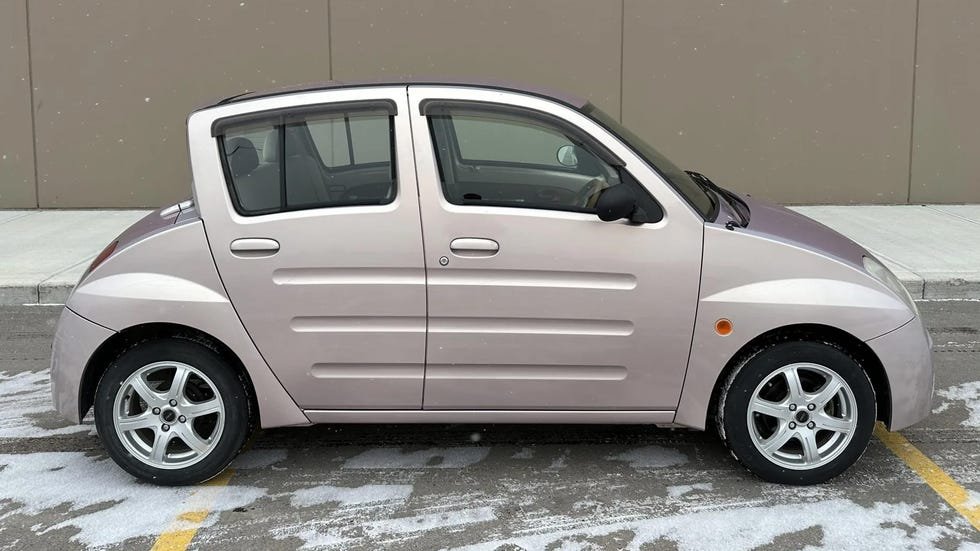
Toyota’s own launch material mentioned horse-drawn carriages. That is reassuring, because the resemblance is difficult to explain away.
Yet this little four-door was a real showroom car. Toyota offered a 1.3-litre engine and a four-speed automatic, with bench-style seats inside and an optional canvas roof overhead. Underneath the visual eccentricity was a car intended for ordinary use.
The name requires rather more explanation than the engine.
In 1999, Toyota joined Asahi Breweries, Kao, Kinki Nippon Tourist and Matsushita Electric Industrial, now Panasonic, to establish WiLL. The idea was to reach younger consumers through a shared identity that crossed the usual boundaries between industries. A car company, a brewer, a household-products business, a travel company and an electronics manufacturer would all contribute to it.
It was an ambitious answer to a familiar marketing problem: how do established companies interest people who do not particularly want to buy what their parents bought?
WiLL allowed them to try on a different personality together. The car was one expression of that personality, rather than the whole enterprise. Seen in that context, its peculiar shape makes more sense. A cautious-looking Toyota would have been a rather unconvincing ambassador for a project built around individuality.
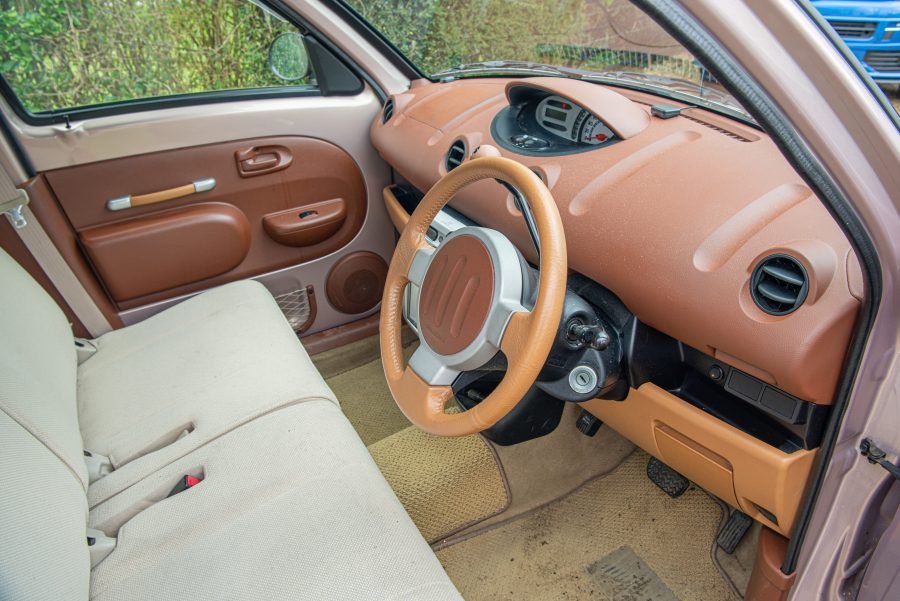
The interior carried the idea through. Toyota described the seats in terms of a living-room sofa, and placed the instruments in the centre of the dashboard. The optional canvas top added another detail that would have been easier to leave off a conventional small car.
None of this turned WiLL into a permanent fixture. Toyota’s history records approximately 45,000 vehicle sales across the WiLL series, not just the Vi. It also credits the project with influencing planning and development inside the company.
That makes the Vi more interesting than a forgotten styling experiment. It belongs to a moment when several large Japanese companies thought they might persuade customers to follow one brand from the kitchen to the driveway.
The car certainly did its part to be noticed. Twenty-six years later, its rear window still stops people mid-scroll.