
That New Number-Plate Bracket Could Be Upsetting Your Parking Sensors
by AutoExpert | 20 October, 2026
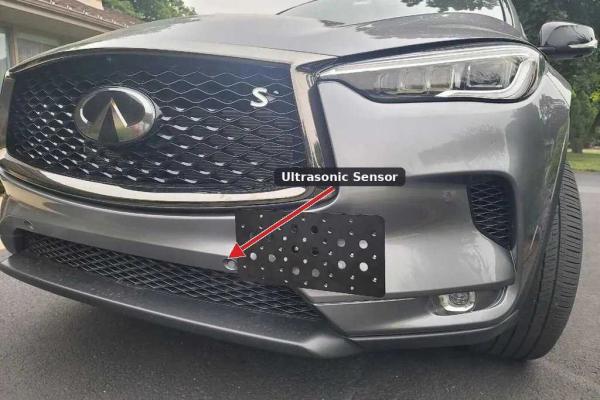
Parking sensors can give false alerts when accessories obstruct their detection area. Number-plate brackets, bicycle racks, large tow hitches and bumper covers are among the examples manufacturers identify. Dirt, ice and damage can also interfere, so check what changed when the beeping began.
You select reverse and the car immediately objects. There is nothing behind it that you can see, yet the warning sounds as though you have already parked against a wall.
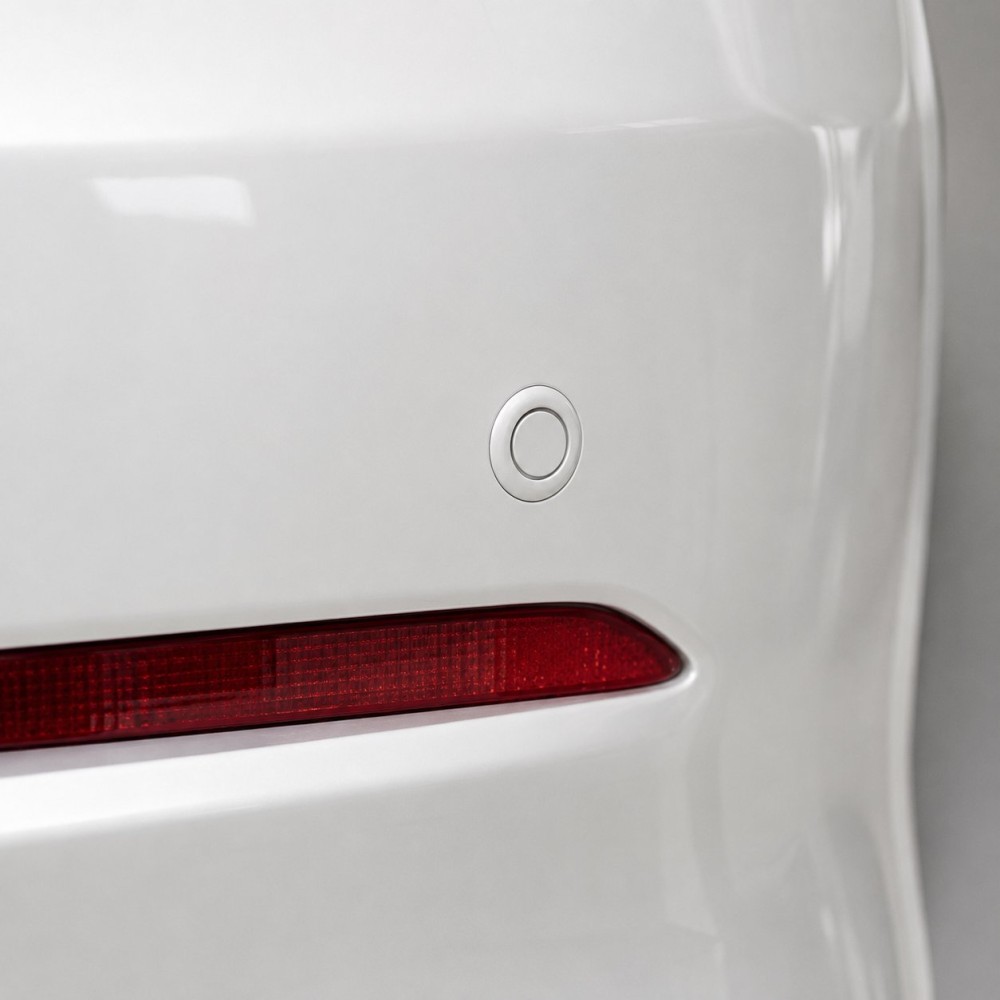
After getting out to look, you are none the wiser. The driveway is clear. The bumper is intact. Back in the seat, the noise starts again.
If this began after fitting a rack, changing a number-plate holder or adding something around the bumper, that timing is worth more than a guess at which sensor has failed.
The accessory does not have to cover a sensor completely to cause trouble. What matters is whether it interferes with the area the system uses to detect obstacles. Ford and Lincoln manuals specifically identify number-plate brackets and other add-ons as possible sources of false alerts. Ford also lists large trailer hitches and bicycle racks.
A bracket can look perfectly tidy from a few feet away. A rack can be fitted exactly as its instructions describe. Neither observation proves that the combination works with the car’s parking system.
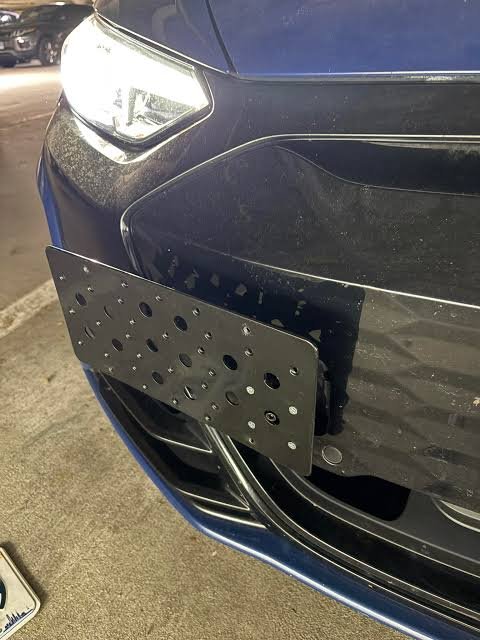
Before authorising replacement sensors, tell the workshop or accessory installer what was added and when the problem started. If an accessory can be removed safely according to its instructions, comparing the system’s behaviour with and without it can help establish the connection. A towbar installation or bumper-mounted component may need the installer’s attention rather than an improvised adjustment.
There is another mundane possibility, particularly after bad weather: the sensors need cleaning. Snow, ice and accumulated dirt can affect their accuracy. Use the cleaning method in the owner’s manual, and avoid scraping at them with anything sharp.
If the beeping started after a parking knock, mention that too. The visible damage may be slight while a sensor has been left misaligned. Ford’s guidance identifies that as another cause of inaccurate readings and false alerts.
It helps to notice whether the same section of the display lights up every time. Does the warning appear only with the rack fitted? Only after rain? Immediately after selecting reverse? Those observations give someone investigating the fault considerably more to work with than “it keeps beeping.”
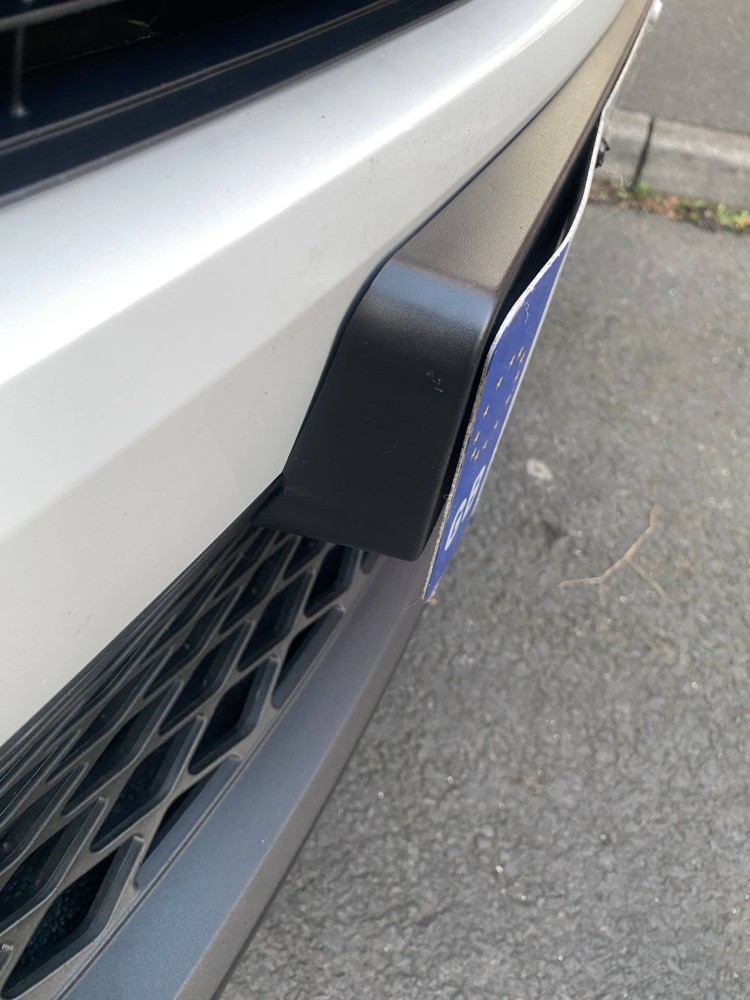
Until it is sorted, use your own view and check the surroundings carefully. A system giving unwanted warnings should not be trusted to make the parking decision for you.
The sensor may indeed need replacing. But if the trouble arrived with a new accessory, give the installer that detail first. It could save you paying for a new sensor that complains about exactly the same bracket.