
Your Car Has Heated Washer Jets. So Why Has the Spray Disappeared?

by AutoExpert | 4 November, 2026
Heated washer jets warm the nozzles that spray the windscreen. Depending on the car, the hoses and reservoir remain unheated, so the fluid can still freeze elsewhere in the system. Winter-grade washer fluid is essential even when heated jets are fitted.
You usually discover frozen washers when you need them most. A lorry passes, leaving a dirty mist across the windscreen. You pull the stalk and hear the pump, but nothing reaches the glass. The wipers drag through the grime, making the view worse.

Somewhere in the paperwork for the car, you distinctly remember reading “heated washer jets.” On a morning like this, that sounds like a broken promise.
The trouble lies in how much of the system those little heaters cover. Ford’s owner guidance explains that, on the vehicle concerned, only the jets are heated. The hoses supplying them receive no heat. The nozzles could be clear while fluid farther along the route remains frozen.
Nor does switching on the ignition necessarily produce an immediate thaw. Kia’s instructions describe a warming period for its heated nozzles and specifically warn that frozen fluid in the reservoir can prevent the system from working properly. The exact controls and timing depend on the car.
That makes the autumn top-up worth a little more attention than it usually gets. There may still be summer fluid in the tank, or a mixture diluted with water during warmer weather. Adding a small amount of winter fluid leaves you with a blend whose protection depends on everything already in there. The temperature printed on the new bottle applies to the product used as directed.
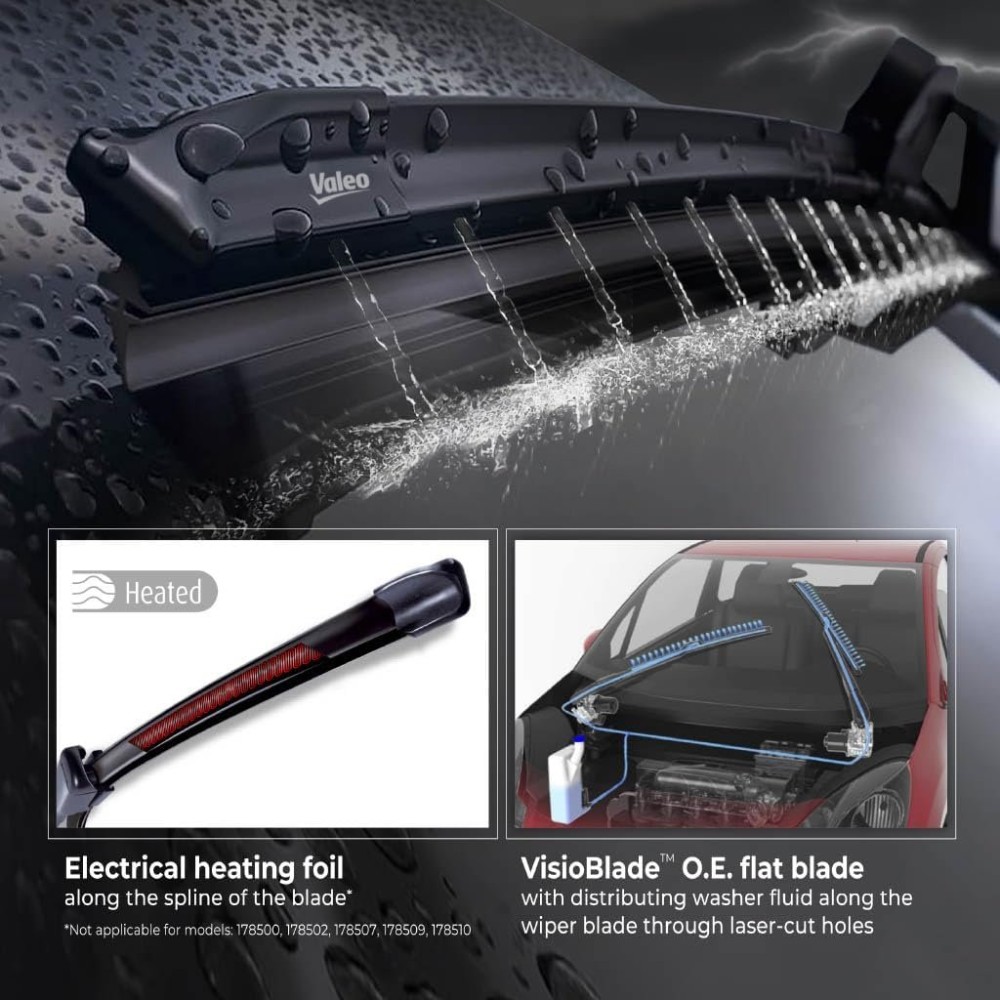
Check whether you have bought concentrate or ready-mixed fluid before pouring. Follow the dilution instructions for concentrate; avoid adding water to a ready-to-use product unless its directions allow it. Ford’s applicable guidance explicitly says not to dilute ready-to-use washer fluid.
Once the system has frozen, repeatedly pulling the stalk is unlikely to help. Park somewhere warm enough for it to thaw, then check whether the washers work again. If they still refuse to spray, a blockage or a pump fault may need investigating.
Before driving, clean the windscreen properly. A scraper and a clear patch of glass may get the car ready to leave the driveway, but salty roads can cover it again within minutes. Postpone the journey if you cannot keep a safe view.
For the next cold morning, the useful purchase may be a bottle of correctly rated washer fluid. Heated jets can help keep the small openings clear. They still need liquid arriving behind them.