
The Original Panda’s Seats Could Do Far More Than Carry Passengers
by AutoExpert | 3 November, 2026
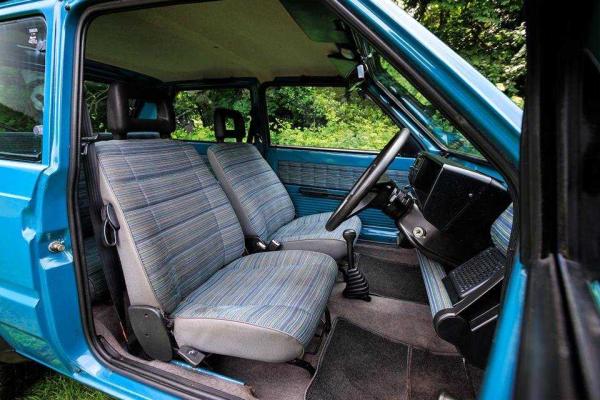
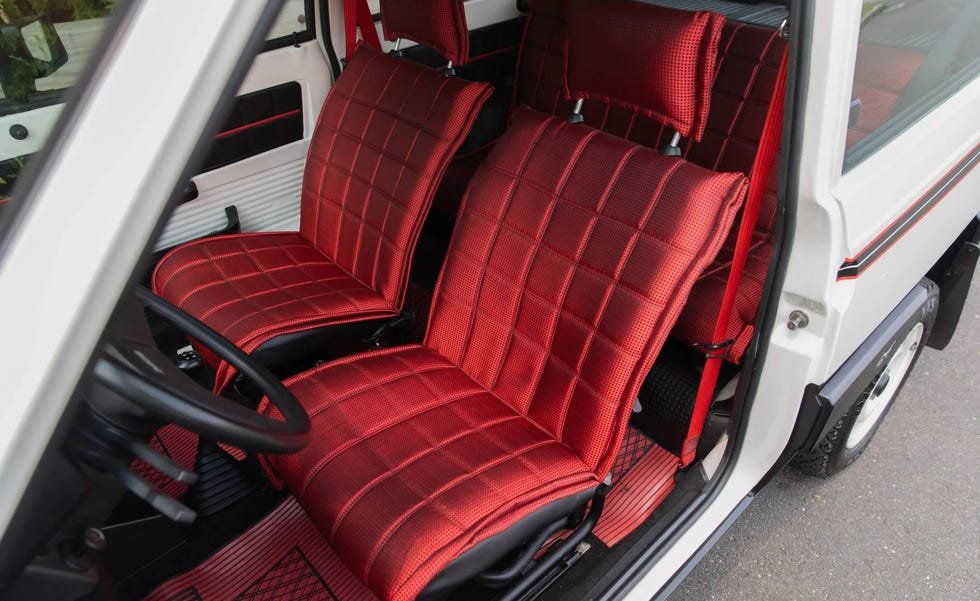
The original Fiat Panda used simple seats with removable, washable fabric, while its adaptable rear bench could be rearranged or removed for different loads. Early versions had a distinctly hammock-like construction, though seat designs changed during the car’s long life.
Look inside an early Panda and it is easy to mistake the lack of upholstery for a lack of effort. There are exposed surfaces, straightforward fittings and seats that look closer to folding furniture than luxury-car armchairs.
Then someone starts moving things around.
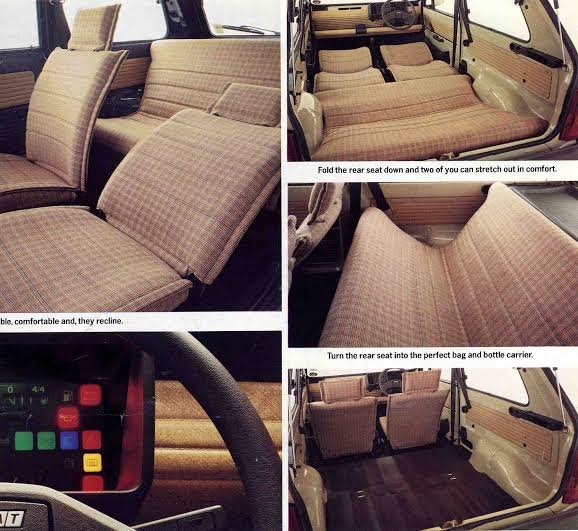
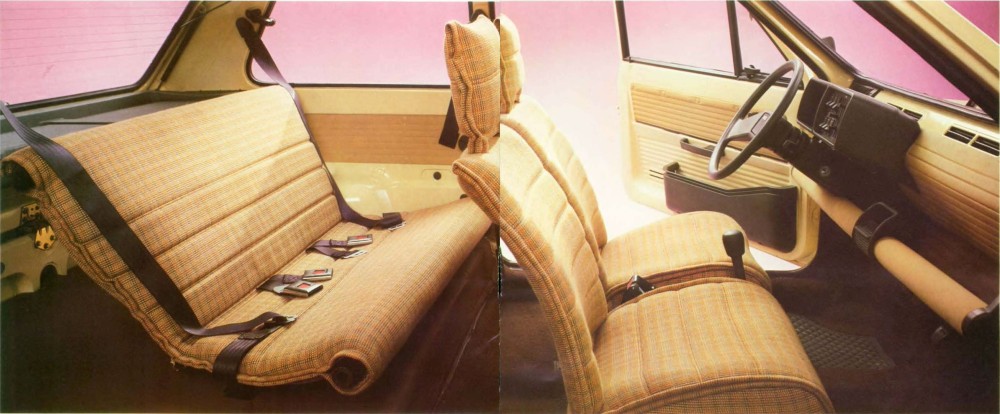
The rear bench was part of the car’s usefulness. Goodwood’s account of the original design describes how it could be removed or arranged into different positions, including a V-shaped hammock for luggage. The fabric covering the seats, and even the dashboard, could be taken off for washing.
That last detail deserves a moment. Most car interiors make cleaning feel like an exercise in working around things. You reach between cushions, chase crumbs into seams and hope the stain remover does not leave a larger mark. The Panda approached the problem with fabric you could remove.
Its cabin had the easygoing character of something intended to be used hard. Muddy weekends, shopping, tools and awkward possessions all seem more at home in it than they would against pale leather and polished trim. A scuff did not look like a financial event.
The related SEAT Panda makes the versatility especially clear. SEAT’s historical archive records seven possible rear-bench positions, including a flat arrangement and a V shape, along with removable, washable upholstery. Removing the bench opened up more than 1,000 litres of load space. Those details belong to the SEAT version documented in the archive, rather than every Panda carrying the name.
That distinction matters when looking at an old example. The Fiat Panda remained in production in some markets until 2003, and its interior evolved. A later car may have far more conventional seats than the spare, fabric-slung furniture associated with the earliest models.
For a buyer, the appeal lies partly in seeing how much of that original arrangement survives. The right fabric, supports and fittings tell more of the story than a freshly polished bonnet.
The early Panda understood that a small car sometimes needs to carry something other than people. Its answer was to let the owner rearrange the furniture. Once the load had been delivered, the bench could go back and the little Fiat could return to being a family car.