Your Sunglasses Could Be Hiding the Head-Up Display You Paid Extra For
by AutoExpert | 9 October, 2026
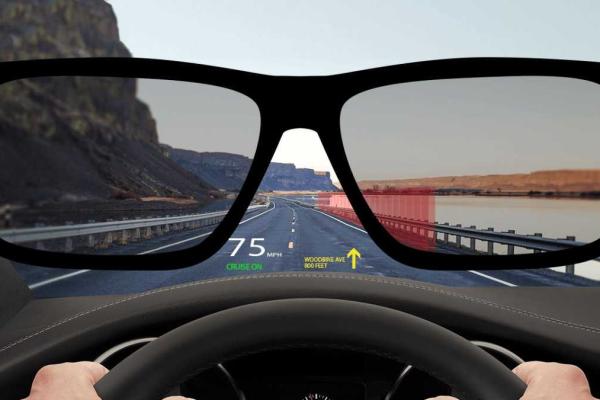
The speed readout was there a moment ago, floating neatly above the bonnet. Put on sunglasses and it fades, perhaps to the point where it seems to have disappeared altogether. An expensive electronic feature behaving oddly is usually enough to start thoughts of repair bills. In this case, the first check costs nothing: while parked, take the glasses off and look again.
Polarized sunglasses can make some head-up displays difficult to see. Volvo lists them among the factors that impair visibility, alongside seating position and unfavourable light. The projector may be working perfectly well while the lenses prevent enough of its image from reaching your eyes.
The lenses are doing what they were designed to do
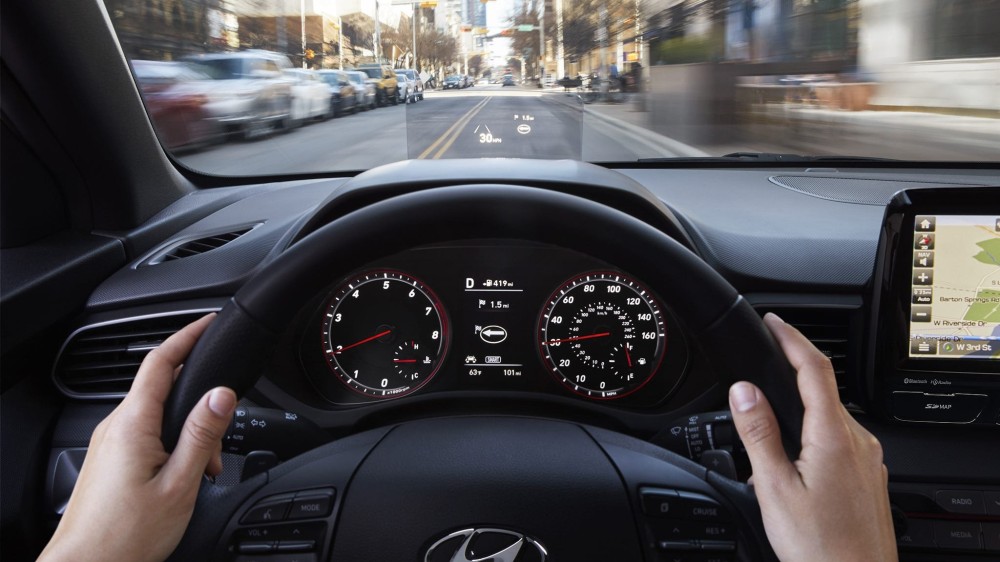
Polarization is useful because it filters light according to its orientation, reducing distracting reflections. It can make bright outdoor conditions more comfortable, but it also changes how certain displays look.
In its lens guidance, ZEISS explains that polarized lenses can reduce the visibility of display content when the display’s polarization is at a right angle to the lens polarization. The very filtering that helps with glare can therefore interfere with information you actually want to see.
Dark tint and polarization are different properties. Two pairs that look equally dark on a shop counter can behave differently in front of a display. Nor will every head-up display and polarized lens combination produce the same result.
That makes a quick comparison in the actual car more useful than buying glasses on the assumption that an expensive pair must work well with every feature.
Check it from your normal driving position
A head-up display projects its image for the driver, so where the driver sits matters too. If somebody has moved the seat, or the display was adjusted for someone taller, the graphics may be difficult to find even without sunglasses.
Volvo’s owner guidance allows adjustment of brightness, position and rotation. Park, settle into your usual position, and check the available settings before concluding that the image is faulty.
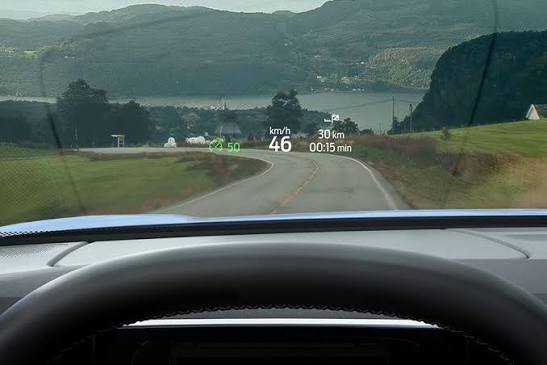
If removing the sunglasses restores it, you have a useful answer. Brightness adjustment may improve matters, but it need not overcome the filtering. A different pair of suitable sunglasses may be the more comfortable solution if the head-up display is a feature you use regularly.
If the image remains absent without the glasses, continue with the ordinary checks: is the feature enabled, is its position appropriate, and is the projector area unobstructed? Volvo warns against placing objects on its glass cover. Follow the model’s guidance rather than treating that opening as extra dashboard storage.
A persistent problem after those checks deserves diagnosis. But a display that vanishes only when one particular pair of glasses goes on gives you a much simpler place to start.
It is worth trying those glasses during a test drive, too. A head-up display can be impressive in the showroom and frustrating on the sunny drive home, which is rather late to discover that two purchases don’t get along.